Why did they ban vapes in KY – How It Shapes the Future of Harm Reduction
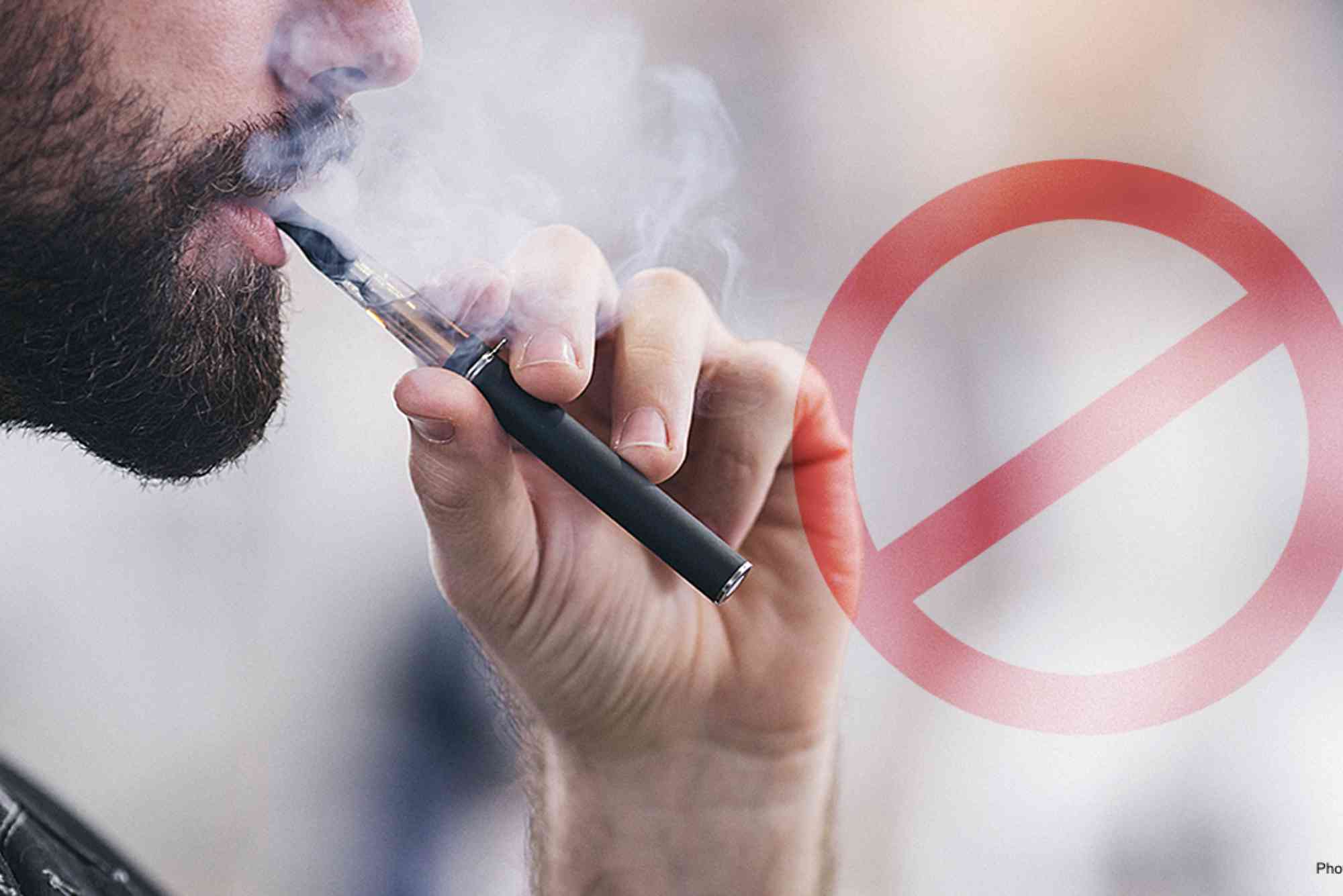
Vaping has rapidly gained popularity over the past decade, especially among young adults seeking a perceived safer alternative to traditional cigarettes. However, in Kentucky, the government has moved decisively to ban e-cigarettes, sparking widespread debate. Understanding why they banned vapes in KY – How It Shapes the Future of Harm Reduction requires examining public health concerns, legal regulations, and the evolving role of vaping in tobacco control. This article delves deep into the reasons behind the ban, its implications for harm reduction, and what it could mean for Kentucky residents and beyond.
The Rise of Vaping in Kentucky
Vaping entered the U.S. market as a modern alternative to smoking. Unlike traditional cigarettes, e-cigarettes claim to deliver nicotine without the harmful tar and combustion products found in tobacco. In Kentucky, vaping initially appeared to offer a pathway for smokers to reduce their health risks.
Popularity Among Youth
One critical factor prompting scrutiny was the rapid uptake of vaping among teenagers. Flavored e-liquids, sleek devices, and aggressive marketing contributed to rising usage rates in schools and colleges. Reports from health authorities indicated a concerning trend: youth nicotine addiction was climbing, potentially undermining decades of anti-smoking progress.
Health Concerns and Uncertainties
Though often marketed as safer than smoking, e-cigarettes are not risk-free. Studies indicate that vaping can still expose users to harmful chemicals, such as heavy metals and volatile organic compounds. Cases of lung injury related to vaping, although rare, heightened public awareness of potential dangers. For policymakers in Kentucky, these emerging health concerns provided strong motivation to reconsider the availability of vapes.
Legislative Action – Why They Banned Vapes in KY
The decision to ban vaping in Kentucky stemmed from a combination of health, legal, and social factors.
Protecting Public Health
State health authorities emphasized protecting citizens, particularly youth, from nicotine addiction and long-term respiratory issues. By banning the sale and distribution of e-cigarettes, legislators aimed to reduce exposure to harmful substances and prevent a new generation from developing dependence on nicotine.
Aligning with Federal Guidance
Kentucky’s actions also align with federal efforts to regulate vaping products. Agencies such as the FDA have issued warnings about the safety of e-cigarettes and enforced stricter marketing rules. By implementing a ban, Kentucky ensures local policies complement national efforts to reduce harm and maintain public safety.
Responding to Local Concerns
Kentucky, historically a state with high rates of tobacco use, faced unique challenges. Local communities voiced concerns about youth access, flavored e-liquids, and unregulated sales. Government officials cited data from Kentucky government press releases & rationale pages as evidence that stricter controls were necessary. These public consultations and scientific findings formed the backbone of the legislative decision.
Harm Reduction – Understanding the Concept
Harm reduction is a public health strategy aimed at reducing the negative consequences of risky behaviors rather than eliminating the behavior entirely. In the context of nicotine use, vaping has often been promoted as a harm reduction tool for adult smokers.
Vaping as a Safer Alternative
For smokers who cannot quit, e-cigarettes provide a nicotine delivery method with potentially lower exposure to carcinogens. Harm reduction advocates argue that banning vaping may unintentionally push smokers back to combustible cigarettes, which carry far higher health risks.
Balancing Risks and Benefits
Policymakers face a difficult balance: protecting youth from addiction while offering adult smokers alternatives. Kentucky’s ban highlights this tension. While reducing youth access, the restriction also limits adults’ ability to use vaping as a harm reduction method. The decision reflects a prioritization of immediate public safety over potential long-term benefits for adult smokers.
Economic and Social Implications
The vaping ban in Kentucky does not just impact health—it also has economic and social ramifications.
Market Disruption
Local vape shops and online retailers face closures or severe restrictions. This disrupts small businesses and reduces consumer choice. While public health considerations often outweigh economic concerns, the ban demonstrates how legislation can ripple through local economies.
Social Behavior and Compliance
Bans often lead to unintended social consequences. For instance, some users may seek vapes through unregulated channels, raising safety concerns. Communities must focus on education and enforcement to ensure compliance while avoiding black-market risks.
Shaping Future Policies
Kentucky’s approach could influence other states considering similar bans. Policymakers nationwide will watch closely to evaluate the effectiveness of such measures and their long-term impact on smoking rates and youth nicotine initiation.
The Future of Harm Reduction in Kentucky
The vaping ban marks a turning point in how Kentucky approaches nicotine harm reduction. It raises critical questions about balancing public health, personal choice, and evidence-based policy.
Monitoring Health Outcomes
Health authorities will need to track the ban’s effect on smoking rates, youth nicotine use, and overall public health. Longitudinal studies could reveal whether the policy reduces harm or inadvertently pushes smokers back to traditional cigarettes.
Potential Alternatives
To maintain harm reduction strategies, Kentucky may invest in smoking cessation programs, nicotine replacement therapies, or regulated vaping access for adult smokers. These alternatives could offer safer options while still protecting youth.
Public Education and Awareness
Effective harm reduction extends beyond regulation. Public education campaigns can teach residents about the risks of smoking and vaping, promoting informed decisions. Combining education with policy ensures that harm reduction goals are met without unintended consequences.
The question of why they banned vapes in KY – How It Shapes the Future of Harm Reduction underscores a complex interplay between public health, regulation, and individual choice. Kentucky’s ban reflects concerns about youth access, health risks, and societal impact, while challenging the use of vaping as a harm reduction tool for adult smokers. The long-term effects will depend on enforcement, education, and complementary harm reduction strategies.
For residents and policymakers, staying informed through trusted sources is essential. Understanding these dynamics helps balance safety with personal choice and ensures that harm reduction strategies evolve responsibly.
Learn more about Kentucky’s policies and health initiatives through official government channels and consider exploring safer alternatives for nicotine use under expert guidance. Staying informed is key to protecting yourself and your community.
E-Cigarettes Banned have faced increasing restrictions worldwide due to health concerns and rising youth usage. Many governments are taking strict measures to ban or limit vaping products, aiming to reduce nicotine addiction and protect public health. Understanding these regulations is crucial for vapers and policymakers alike. Learn more about why e-cigarettes are banned and how it impacts users and society
FAQ
Why did Kentucky ban vaping products?
Kentucky banned vaping to prevent youth nicotine addiction, reduce health risks, and align with federal safety guidelines.
Can adults still use vaping for harm reduction in Kentucky?
The ban limits adult access, though regulated alternatives like nicotine patches or cessation programs remain available.
Are there any exceptions to the vape ban?
Some exemptions may apply for medical use or research, but recreational vaping is broadly prohibited.
How does the ban impact small businesses?
Vape shops and retailers face closures or restrictions, affecting local economies and employment.
Will this ban reduce smoking rates in Kentucky?
It may lower youth vaping, but long-term effects on adult smoking rates require monitoring to assess overall harm reduction.
Looking for the latest in vaping news, reviews, and guides? VapeZone360 is your go-to source for all things vaping. From e-cigarettes and vape juices to tips for beginners and experts alike, we cover it all. Stay informed, make smart choices, and explore the world of vaping safely. Visit our homepage now for updates, insights, and more: