Introduction
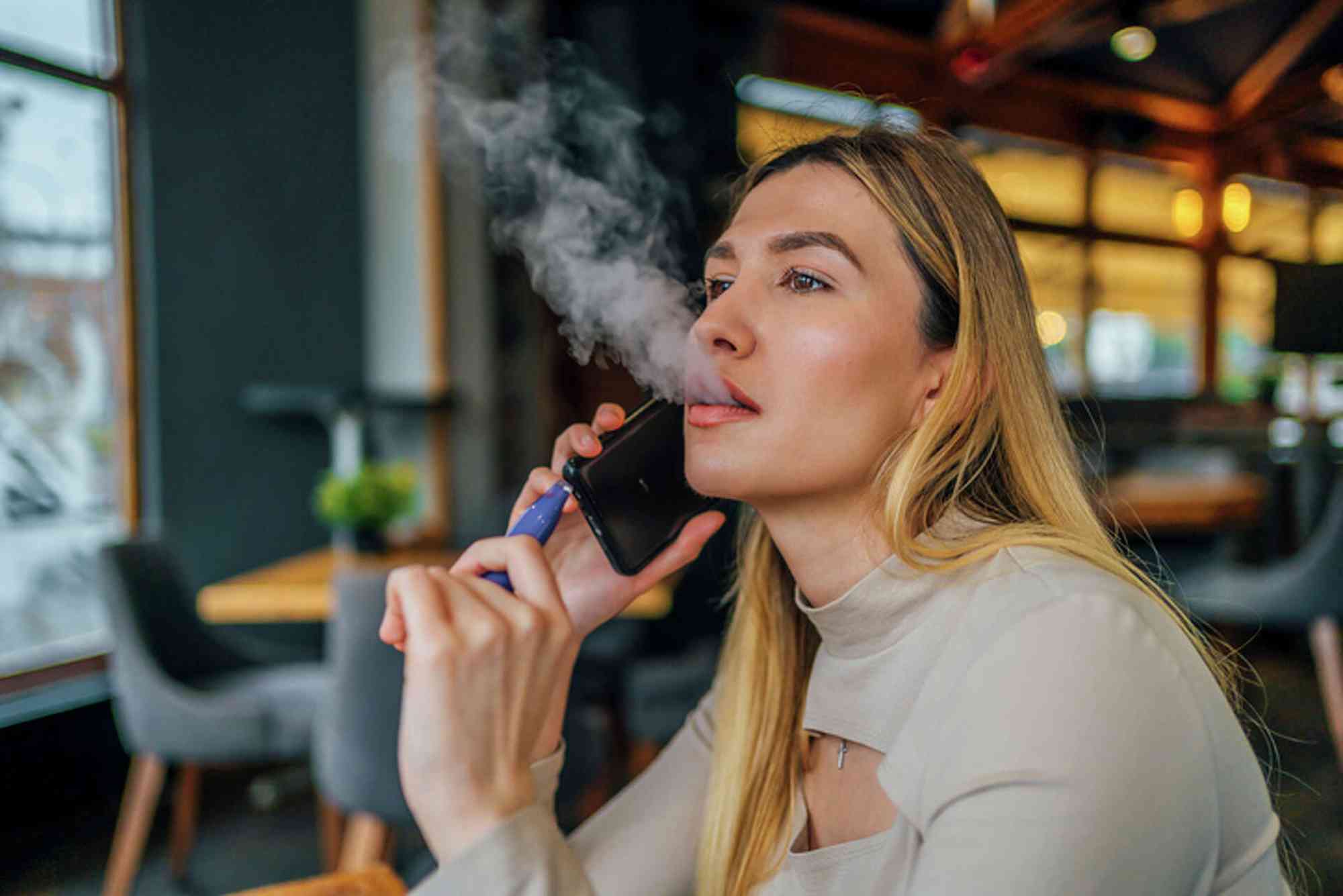
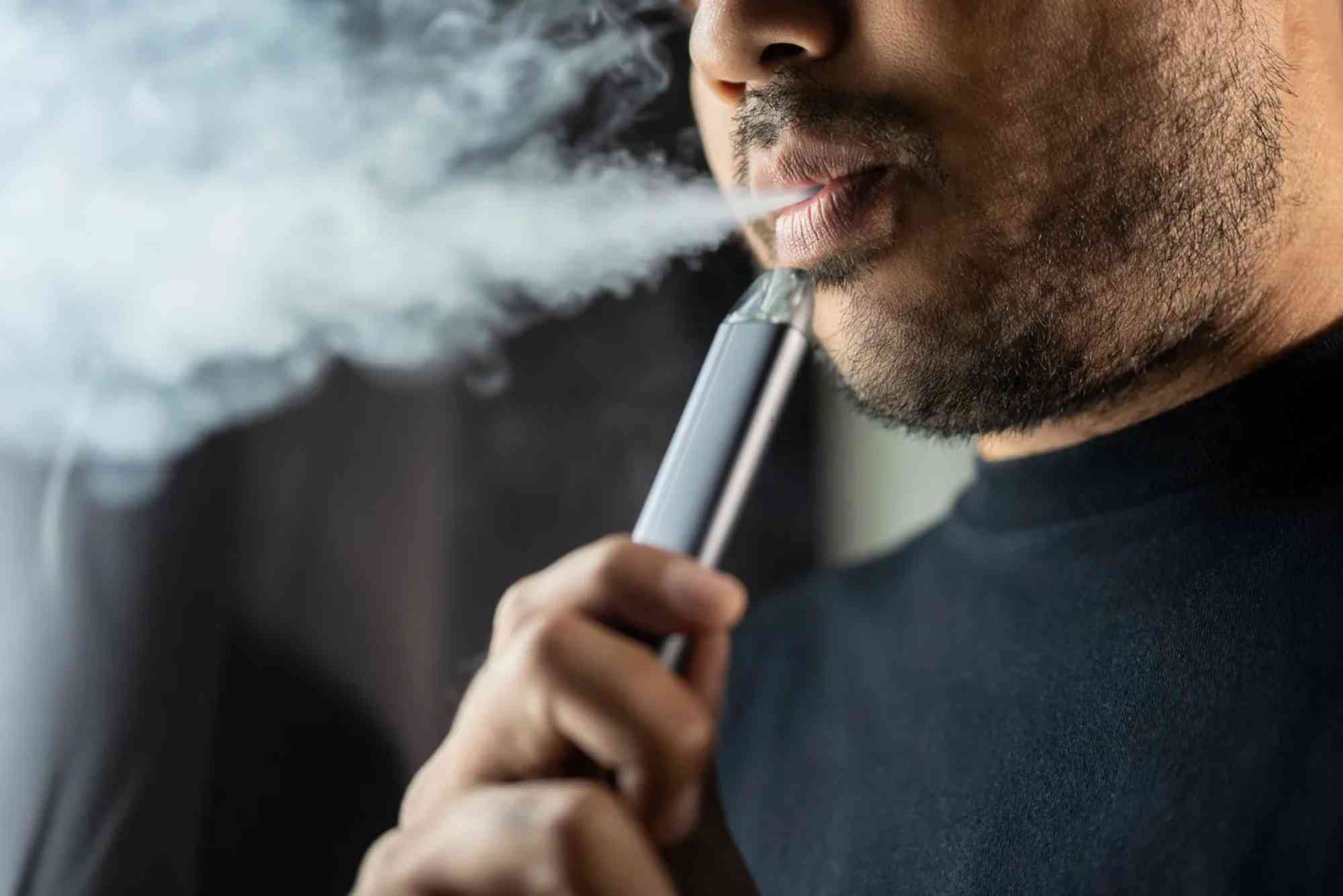
aping has emerged as one of the most significant public health debates of the 21st century. Advocates argue it offers a safer alternative to traditional smoking, while critics fear it could lead to nicotine addiction and long-term health consequences. Despite growing evidence supporting vaping as a harm reduction tool, some governments have proposed or implemented bans, potentially undermining public health progress. Understanding why vaping should not be illegal requires examining its role in harm reduction, the science behind it, and its impact on smokers seeking safer alternatives.
Understanding Vaping and Its Role in Harm Reduction
Harm reduction is a public health strategy aimed at reducing the negative effects of risky behaviors rather than insisting on total abstinence. In this context, vaping represents a less harmful alternative to combustible cigarettes. Unlike traditional smoking, which produces thousands of toxic chemicals through combustion, e-cigarettes deliver nicotine through vapor, dramatically reducing exposure to harmful substances.
The Science Behind Vaping
Multiple studies suggest that vaping is considerably less harmful than smoking. Research indicates that switching entirely from cigarettes to e-cigarettes can significantly reduce exposure to carcinogens and toxicants. For smokers struggling to quit, vaping provides a practical pathway to reduce health risks while maintaining nicotine satisfaction. The The Lancet / harm reduction commentary — policy perspectives explores how harm reduction strategies like vaping can transform public health approaches, emphasizing practical, evidence-based solutions rather than prohibition.
Misconceptions About Vaping
Despite evidence, vaping remains controversial. Many opponents equate vaping with traditional smoking, creating public confusion. It is crucial to understand that vaping does not produce tar or carbon monoxide, the two primary contributors to smoking-related diseases. Educating the public about these distinctions can help prevent policy decisions driven by fear rather than evidence.
How Legal Restrictions Impact Harm Reduction Efforts
Banning vaping outright can have unintended consequences. Prohibition often drives consumers back to traditional cigarettes, which are more dangerous and heavily taxed. Legal restrictions may also encourage the growth of unregulated black markets, introducing products with unknown quality and safety standards.
The Danger of Overregulation
Excessive regulation can deter smokers from switching to vaping. High taxes, flavor bans, and strict sales restrictions make e-cigarettes less accessible, diminishing their potential as harm reduction tools. Policies must balance youth protection with adult access to safer alternatives. By criminalizing vaping, governments risk undermining decades of progress in tobacco harm reduction strategies.
Evidence from Countries with Restrictive Policies
Countries that have imposed strict bans or severe restrictions on vaping often see minimal public health benefit. Smokers in these regions are more likely to continue smoking traditional cigarettes, maintaining their risk of lung disease and cancer. In contrast, nations that promote regulated vaping as part of harm reduction programs report higher cessation rates and reduced exposure to harmful chemicals. These outcomes suggest that legality and accessibility are crucial to maximizing the public health potential of vaping.
Vaping vs. Smoking: A Comparative Analysis
Comparing vaping to smoking helps clarify why it should remain legal. Combustible cigarettes produce over 7,000 chemicals, many of which are toxic or carcinogenic. Vaping, on the other hand, delivers nicotine without combustion, significantly reducing the risk of respiratory and cardiovascular diseases.
Health Benefits of Switching
Smokers who switch to vaping often experience immediate health improvements, such as better lung function, reduced coughing, and enhanced cardiovascular performance. Long-term modeling studies predict substantial reductions in smoking-related illnesses and deaths if vaping is adopted widely as a substitute for smoking. These benefits highlight vaping’s role as a pragmatic harm reduction tool.
Public Perception and Stigma
Despite evidence, public perception often lags behind scientific findings. Misunderstanding about the relative safety of vaping can influence policymakers to adopt overly restrictive laws. Public health campaigns focused on education rather than prohibition can help shift perceptions, encouraging smokers to make safer choices without stigmatizing them.
The Role of Innovation and Industry Responsibility
The vaping industry has innovated rapidly, offering diverse products designed to reduce harm while satisfying consumer preferences. Responsible manufacturers prioritize quality control, transparency, and adherence to safety standards. These measures enhance trust and reduce risks associated with vaping.
Flavor Options and Cessation Support
Flavor diversity in vaping products has been a point of contention. While some fear it attracts youth, flavors play a crucial role in helping adult smokers transition away from traditional cigarettes. Policymakers must consider these nuances when crafting regulations. Limiting flavor availability can unintentionally discourage smokers from switching, undermining harm reduction efforts.
Technological Advancements
Modern e-cigarettes are highly engineered to deliver nicotine efficiently while minimizing harmful emissions. These technological advancements support harm reduction objectives, offering smokers a viable alternative to combustible tobacco. Legal restrictions that stifle innovation can impede the development of safer nicotine delivery systems, ultimately affecting public health.
Ethical and Social Considerations
Harm reduction strategies, including vaping, raise ethical questions about autonomy and public health responsibility. Adults should have the right to make informed decisions about their health, especially when safer alternatives are available. Banning vaping removes choice and may disproportionately harm those who rely on it to reduce smoking-related risks.
Protecting Vulnerable Populations
While youth access should be carefully regulated, adult smokers benefit most from accessible vaping options. Policies that prioritize one group at the expense of another can create inequities in health outcomes. A balanced approach ensures that adults seeking harm reduction tools are not penalized while still safeguarding young people from nicotine initiation.
Social Impacts
Legal vaping options can reduce the social and economic burden of smoking-related illnesses. Health care costs associated with treating smoking-related diseases are significant, and widespread adoption of safer alternatives could alleviate these pressures. By keeping vaping legal and accessible, societies can achieve long-term public health and economic benefits.
The Future of Harm Reduction
Vaping is not a perfect solution, but it represents a crucial step in modern harm reduction strategies. Evidence consistently shows that switching from smoking to vaping reduces exposure to harmful chemicals, supports smoking cessation, and lowers public health risks.
Policy Recommendations
Policymakers should focus on evidence-based approaches rather than reactionary bans. Effective policies may include regulated access, quality standards, and targeted public education campaigns. These measures can ensure vaping remains a safe and viable harm reduction tool while minimizing youth uptake.
Integrating Vaping into Public Health Strategies
Harm reduction frameworks can integrate vaping as part of comprehensive smoking cessation programs. Health authorities can provide guidance, support, and monitoring to maximize the benefits while minimizing risks. This integration ensures vaping contributes positively to public health without undermining prevention efforts.
Vaping should not be illegal because it plays a critical role in harm reduction. Banning or overly restricting it risks driving smokers back to more harmful behaviors, undermining decades of progress in tobacco control. Scientific evidence supports vaping as a significantly safer alternative to smoking, with tangible benefits for individual and public health. To shape the future of harm reduction effectively, policies should promote accessibility, education, and responsible innovation. By supporting vaping as a harm reduction tool, society can reduce smoking-related illness and death, ensuring a healthier future for current and future generations.
Take action today by staying informed about local vaping laws, supporting evidence-based policies, and advocating for balanced approaches that prioritize public health over prohibition.
FAQs
Is vaping safer than smoking?
Yes, research shows that vaping exposes users to far fewer harmful chemicals than combustible cigarettes, reducing risks of respiratory and cardiovascular diseases.
Can vaping help people quit smoking?
Many studies indicate that smokers who switch to vaping are more likely to reduce or quit smoking entirely, making it an effective harm reduction tool.
Why do some countries ban vaping?
Concerns over youth access, addiction, and long-term health effects motivate some countries to impose restrictions. However, evidence suggests bans may harm public health by keeping smokers on more dangerous products.
Are flavored e-cigarettes dangerous?
Flavors are not inherently dangerous when produced under regulated standards. They help adult smokers transition from cigarettes but should be carefully managed to prevent youth use.
What is harm reduction in smoking?
Harm reduction focuses on minimizing the negative effects of smoking rather than demanding complete cessation. Vaping is one example of a harm reduction approach.