USA Vape Laws and Public Health: What Vapers Should Know
Vaping has become one of the most discussed topics in the United States, not only among smokers and vapers but also within the legal and healthcare communities. With the rapid rise of e-cigarettes, flavored vape juices, and disposable devices, the federal and state governments have created a patchwork of regulations to control the industry. Understanding USA vape laws is essential for vapers, retailers, and even parents concerned about public health. This guide explores the current landscape of American vape laws, how they connect with public health policies, and what every vaper should know before purchasing or using a device.
The Rise of Vaping in the USA
Over the past decade, vaping has grown from a niche hobby to a mainstream trend. Many smokers turned to e-cigarettes as a less harmful alternative to combustible tobacco. Companies promoted vaping as a cleaner, safer option, and flavored e-liquids made the practice especially popular with younger demographics. However, public health officials soon raised alarms about nicotine addiction, lung injuries, and the marketing of vapes to minors. This tension between harm reduction and public safety has shaped USA vape laws, which continue to evolve as new products enter the market.
Federal Vape Laws in the United States
At the federal level, vape products are regulated primarily by the Food and Drug Administration (FDA). Since 2016, the FDA has classified e-cigarettes and vaping devices as tobacco products. This classification gave the agency authority to oversee their manufacturing, distribution, and sale. One of the most significant federal rules is the minimum age requirement. As of December 2019, the legal age to purchase any tobacco product, including vapes, is 21 years nationwide.
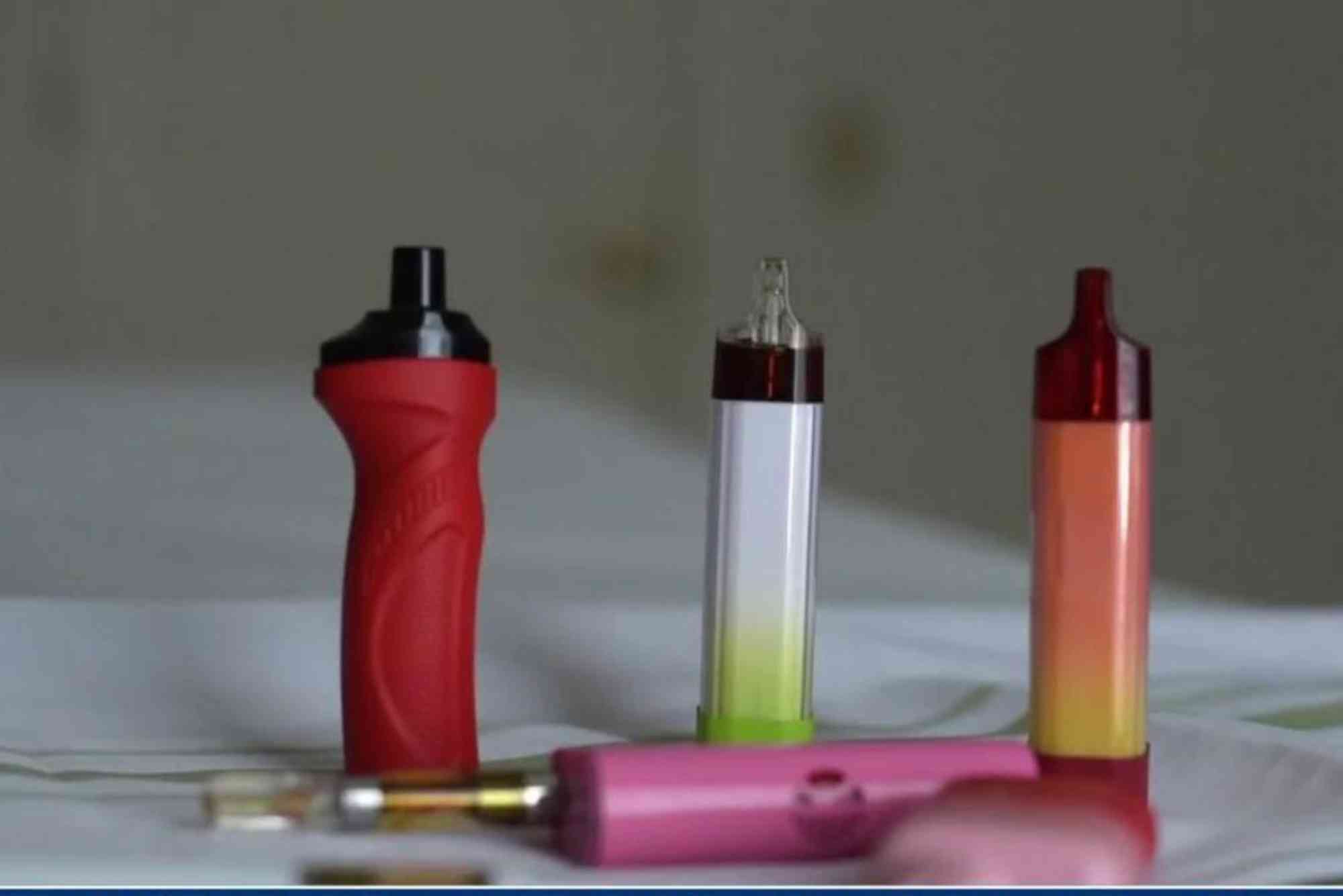
The FDA also requires manufacturers to submit premarket tobacco product applications (PMTA) to prove their products are safe for consumers. While only a few vape products have gained approval, many remain on the market while under review. Another major law is the restriction on flavored cartridges. In early 2020, the federal government banned most flavored pod-based e-cigarettes to curb youth vaping. However, disposable vapes and open-tank systems initially remained unaffected, creating loopholes that states later addressed.
State Vape Laws: A Patchwork of Regulations
While federal laws create a baseline, each state has the power to impose its own restrictions. This has led to a patchwork of rules that vary widely depending on where you live. Some states, like California, Massachusetts, and New York, have strict bans on flavored e-liquids, while others focus mainly on enforcing age restrictions. States also regulate where vaping is permitted. In many places, vaping is prohibited in the same public spaces where smoking is banned, such as restaurants, bars, workplaces, and schools. Certain states tax vape products heavily to discourage usage, while others impose fewer financial barriers.
For vapers who travel, this inconsistency can be confusing. Carrying a device legal in one state may cause problems in another. For example, a flavored disposable vape purchased legally in one state may be banned across the border. Because of these differences, vapers need to stay informed about USA vape laws not only at the federal level but also within their state or city.
Public Health Concerns Behind Vape Laws
The main driver behind vape regulations is public health. Officials are particularly worried about two groups: young people and non-smokers. Studies show that vaping among teens has surged in recent years, fueled by sweet and fruity flavors, sleek device designs, and heavy marketing on social media. Lawmakers believe strict regulations help prevent a new generation from becoming addicted to nicotine.
Beyond youth usage, concerns about lung injuries have also influenced legislation. In 2019, the U.S. faced an outbreak of e-cigarette or vaping-associated lung injury (EVALI), linked to vitamin E acetate found in some illicit THC vape cartridges. While nicotine-based vapes were not the main culprit, the scare led to tighter scrutiny of the entire industry. Public health experts continue to debate whether vaping is an effective harm reduction tool for adult smokers or a gateway to long-term nicotine dependency.
The Balance Between Harm Reduction and Regulation
One of the most complex aspects of USA vape laws is finding the balance between protecting public health and supporting harm reduction for smokers. Many researchers agree that vaping is less harmful than traditional cigarettes because it avoids combustion, tar, and many toxic chemicals. However, “less harmful” does not mean safe. Nicotine remains addictive, and the long-term effects of inhaling vaporized liquids are not fully understood.
Regulators face the challenge of ensuring adult smokers have access to vaping products as an alternative while preventing teenagers from starting a nicotine habit. This balancing act explains why federal and state governments frequently adjust laws in response to new health data and market trends.
How USA Vape Laws Affect Vapers
For everyday vapers, understanding the law is crucial to avoid fines, product confiscation, or even criminal charges. In practical terms, this means:
- You must be 21 or older to buy any vape product nationwide.
- You cannot sell or purchase unapproved flavored pods in many states.
- You should expect vaping bans in public spaces where smoking is also prohibited.
- You may face higher costs in states that impose special vape taxes.
- Traveling across state lines with vapes may require checking local regulations.
Ignoring these rules can result in penalties, and in some cases, retailers risk losing their licenses if caught selling to underage customers.
The Future of Vape Laws in the United States
Looking ahead, experts predict vape laws will continue tightening. More states are expected to expand flavor bans, increase taxes, and apply stricter marketing rules. On the federal level, the FDA may approve or deny more PMTA applications, shaping which products dominate the legal market. There is also growing debate around synthetic nicotine, which some companies used to bypass regulations before Congress closed that loophole in 2022.
Public health groups push for even stronger restrictions, while harm reduction advocates argue that overregulation may drive vapers back to smoking or push them toward unsafe black-market products. This tug-of-war ensures that USA vape laws will remain dynamic and subject to frequent change.
Public Health: What Vapers Should Know
From a public health perspective, vapers should understand that while vaping may reduce exposure to certain harmful chemicals compared to smoking, it is not risk-free. Nicotine addiction can impact brain development in young people, increase blood pressure, and lead to long-term dependency. Additionally, some e-liquids may contain unknown ingredients that affect lung health.
Health experts generally advise non-smokers not to start vaping, while recommending that current smokers weigh the benefits and risks carefully. If you are vaping as a tool to quit smoking, consulting with a healthcare professional can help you make safer choices.
Frequently Asked Questions
Can you vape at 18 in the US?
No. Since December 2019, the federal minimum age for buying any vape product is 21 years.
Are flavored vapes banned in the USA?
Not completely. The federal government banned most flavored pods, but disposable vapes and refillable liquids remain legal in some states. Others, like California and Massachusetts, have stricter bans.
Can you vape in restaurants in the USA?
In most states, vaping is prohibited anywhere smoking is banned. That includes restaurants, bars, workplaces, and schools.
Are disposable vapes legal in the US?
Yes, but they are increasingly regulated. Some states restrict flavored disposables, and others impose taxes or sales restrictions.
Is vaping safer than smoking cigarettes?
Most experts agree vaping is less harmful than smoking. However, it is not risk-free and can still cause nicotine addiction and potential lung issues.
The landscape of USA vape laws is constantly changing, shaped by new research, shifting public health priorities, and evolving products. For vapers, staying informed is the best way to avoid legal trouble and make responsible choices. Remember that laws differ by state, so always check local regulations before purchasing or using vape products.
If you are vaping as a way to quit smoking, seek guidance from healthcare professionals and use regulated products from trusted retailers. By staying educated about the legal and health aspects of vaping, you can enjoy a safer and more responsible experience.