Introduction
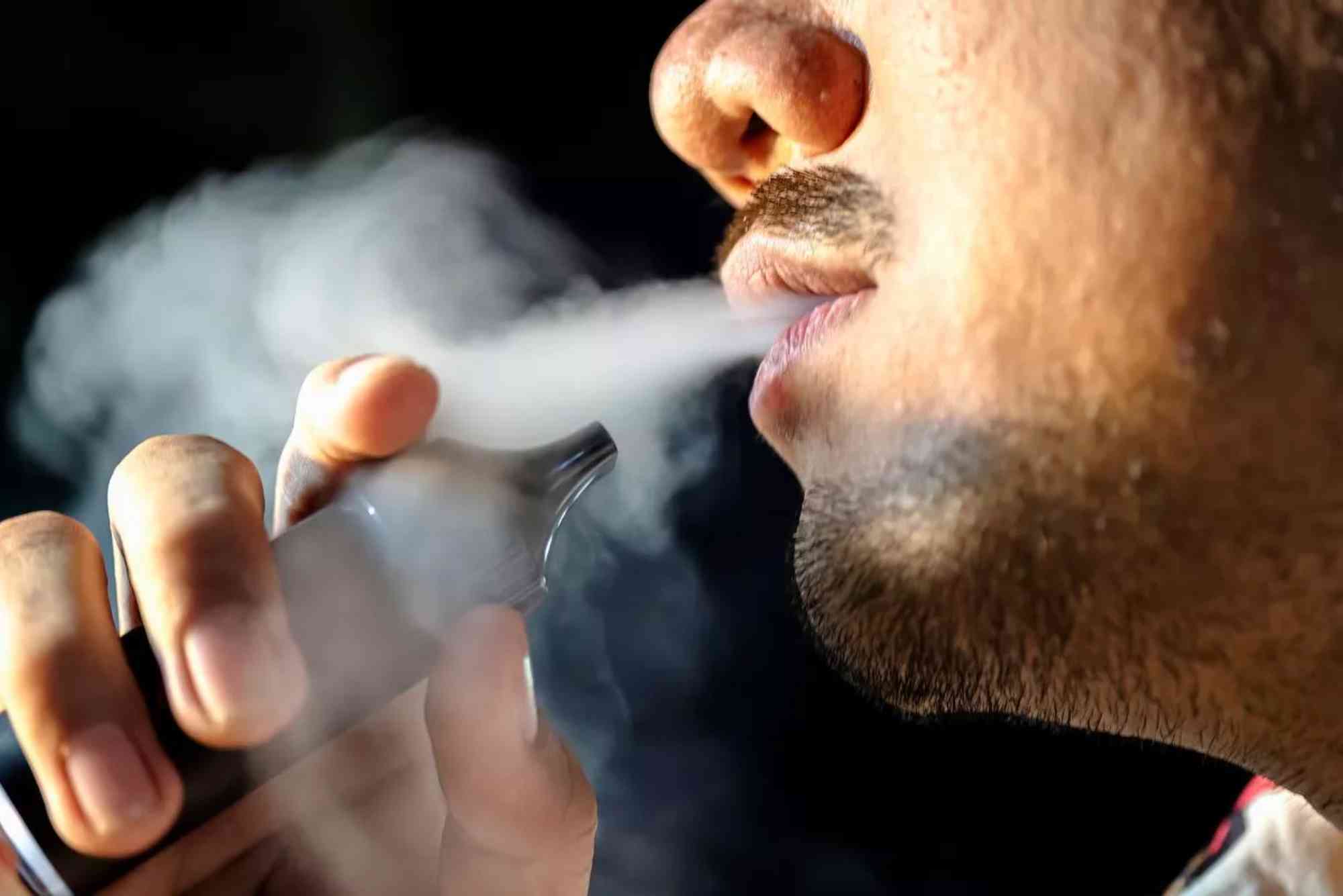
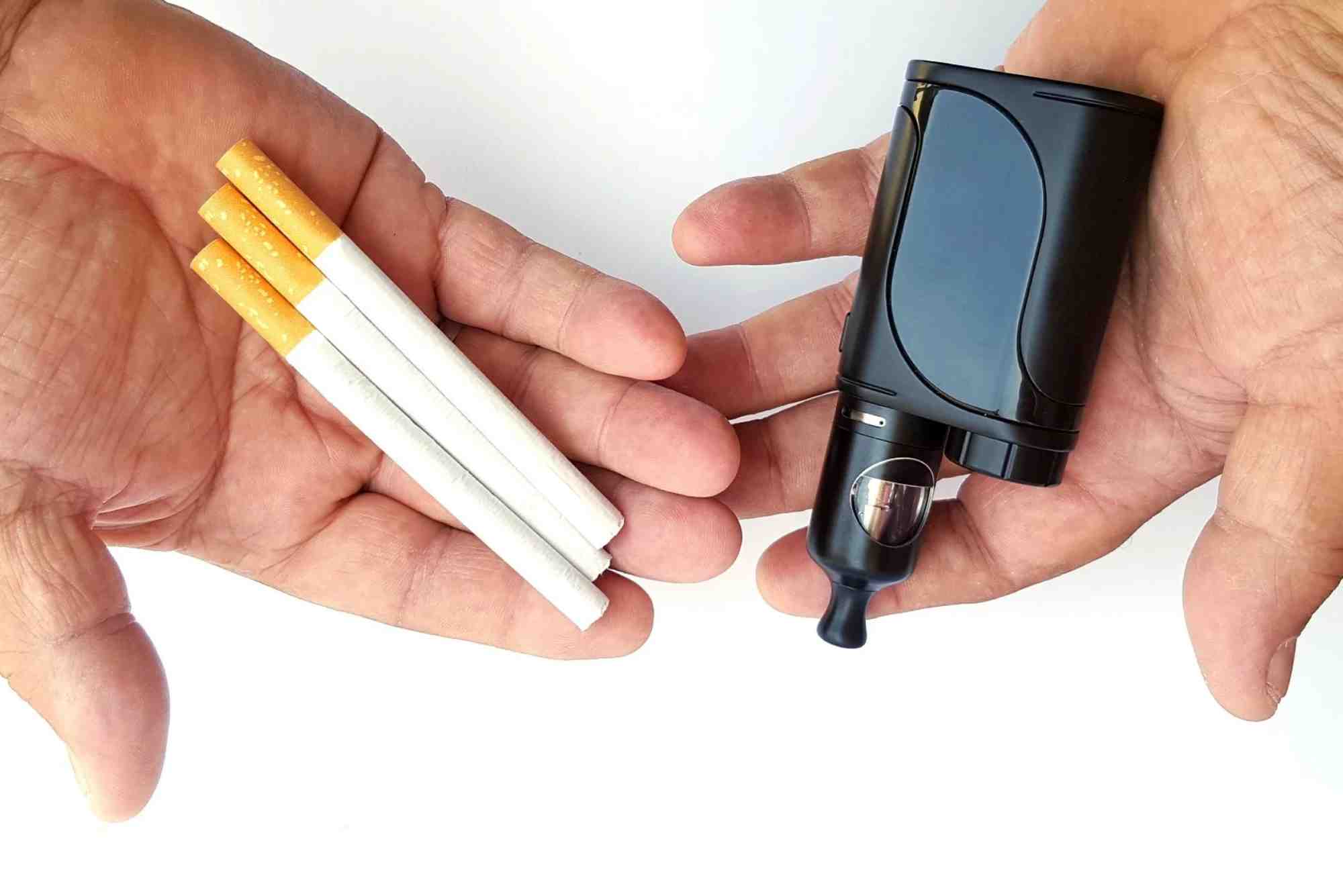
The question many people ask today is, is vaping considered smoking? With the rise of e-cigarettes and vape devices, this debate has grown stronger. While vaping does not burn tobacco like traditional cigarettes, it still involves inhaling nicotine and other chemicals. Public health experts continue to study how vaping compares to smoking and what risks are involved. Understanding the difference is essential for vapers, smokers, and anyone considering alternatives.
Is Vaping Considered Smoking?
The answer depends on the context. From a legal, medical, and social perspective, vaping often overlaps with smoking. However, there are differences worth noting.
Legal Perspective
Many countries classify vaping under the same regulations as smoking. Public bans, advertising restrictions, and age limits often apply equally to both. Some regions make a distinction, while others treat vaping as smoking for simplicity.
Medical Perspective
From a health standpoint, vaping is not technically smoking. Smoking involves combustion, producing tar and thousands of harmful chemicals. Vaping heats e-liquid into vapor. Despite this difference, vapers still inhale nicotine, flavorings, and chemicals that may harm the lungs and heart.
Social and Cultural Perspective
Public perception often treats vaping and smoking as similar. For many, both represent nicotine use and addictive behavior. This is why in social conversations, vaping is often considered smoking, even if technically different.
Differences Between Vaping and Smoking
While they share similarities, there are clear differences that matter to public health.
Combustion vs. Vaporization
Smoking burns tobacco, releasing harmful toxins. Vaping vaporizes liquid, avoiding combustion. This reduces exposure to some carcinogens, but not all risks.
Chemical Content
Cigarette smoke contains over 7,000 chemicals, including tar and carbon monoxide. Vaping liquids contain fewer substances, but often include nicotine, propylene glycol, vegetable glycerin, and flavorings. Research is still ongoing about long-term safety.
Health Impacts
- Smoking: Proven to cause lung cancer, heart disease, and stroke.
- Vaping: Linked to lung irritation, nicotine addiction, and potential heart risks. The long-term impact remains uncertain.
Why Public Health Experts Care
Vaping has become a major focus for health organizations worldwide.
Youth and Addiction Concerns
The rise in youth vaping is alarming. Flavored e-liquids attract teens, leading to nicotine addiction at a young age. Studies show teens who vape may transition to smoking later.
Harm Reduction Debate
Some experts argue vaping helps smokers quit. E-cigarettes may reduce exposure to harmful chemicals compared to smoking. However, others warn it creates a new generation of nicotine users instead of solving the smoking crisis.
Secondhand Exposure
Just like secondhand smoke, secondhand vapor raises health concerns. While it may contain fewer toxins, it still exposes bystanders to nicotine and chemicals.
Common Myths About Vaping vs Smoking
Myth 1: Vaping is Completely Safe
Fact: Vaping may be less harmful than smoking, but it is not risk-free. Studies link vaping to lung injury and cardiovascular strain.
Myth 2: Vaping Is Not Addictive
Fact: Most e-liquids contain nicotine, one of the most addictive substances known. Even nicotine-free options may encourage habitual use.
Myth 3: Vaping Doesn’t Affect Others
Fact: While secondhand vapor contains fewer toxins than smoke, it still exposes others to chemicals and nicotine.
Public Health Guidelines for Vapers
If You Vape to Quit Smoking
Some health agencies recommend vaping as a short-term quit aid. However, it should not replace proven methods like nicotine patches or professional cessation programs.
If You Never Smoked Before
Public health experts strongly advise against starting vaping. Using nicotine unnecessarily can create lifelong dependence.
Regulations to Know
- Most countries ban sales to minors.
- Public vaping restrictions often mirror smoking laws.
- Health warnings now appear on many e-liquids and devices.
FAQs: Is Vaping Considered Smoking?
Is vaping worse than smoking?
Research suggests vaping is less harmful than smoking, but still unsafe. Smoking causes more immediate harm, but vaping’s long-term risks remain unclear.
Do doctors consider vaping the same as smoking?
Doctors usually differentiate between the two. However, they warn that vaping is not a safe alternative. Both involve health risks.
Does vaping count as smoking for insurance?
Yes, most insurance companies classify vapers as smokers. This can result in higher premiums, regardless of whether you use cigarettes or e-cigarettes.
Is secondhand vapor harmful?
Yes, secondhand vapor contains nicotine and chemicals. Although less toxic than smoke, it may still harm children, pregnant women, and people with respiratory issues.
Can vaping help you quit smoking?
For some smokers, vaping works as a step-down method. However, public health experts recommend using medically approved cessation tools instead.
So, is vaping considered smoking? Legally and socially, the answer is often yes. Medically, vaping differs but still carries risks. Public health experts caution that vaping is not risk-free, even if it may reduce harm for smokers. If you are considering vaping, understand the risks, know the regulations, and explore healthier ways to quit nicotine altogether.
If you smoke or vape, consider speaking with a healthcare professional about safe and effective quit options. Protect your health and the health of those around you by making informed choices.