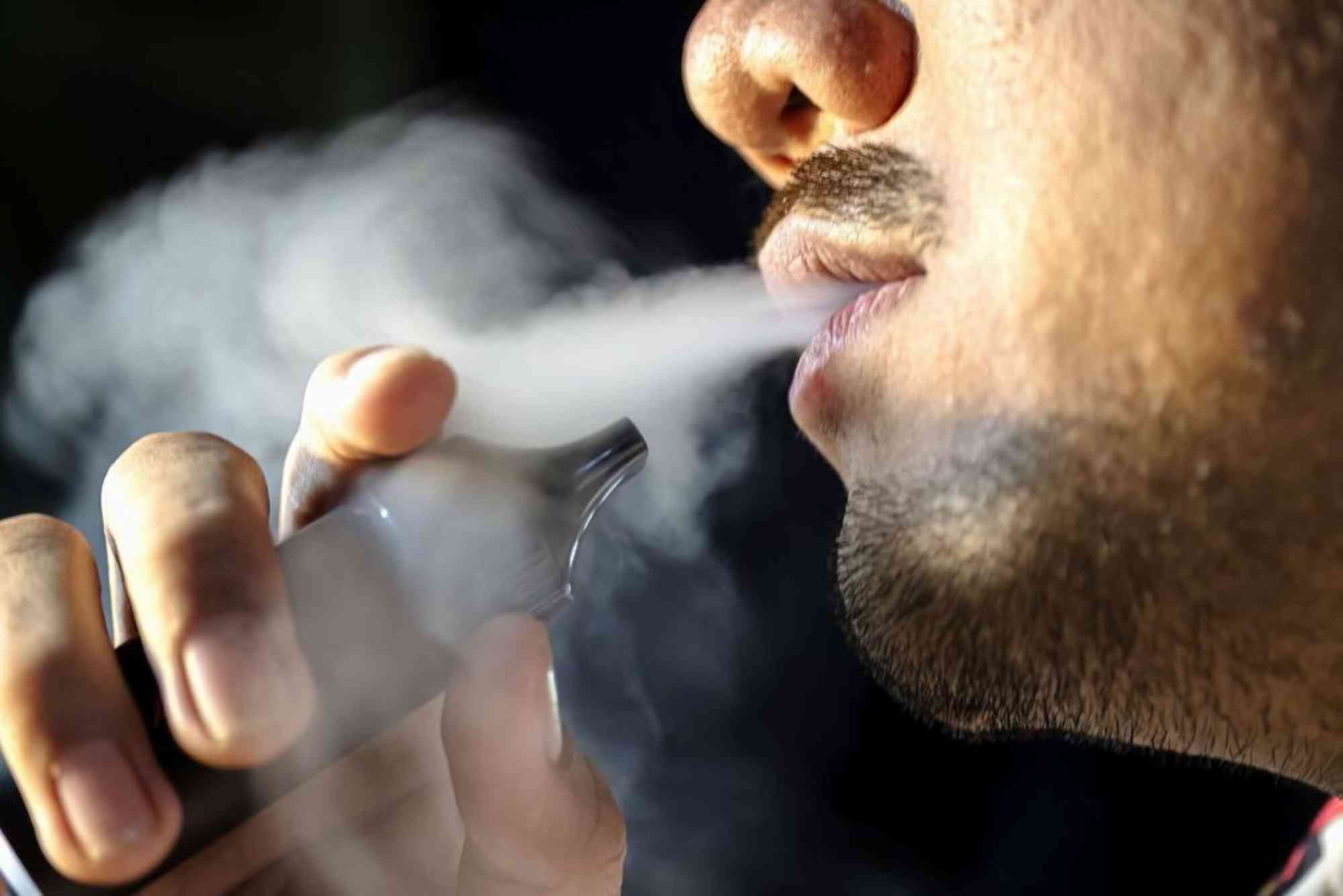
The public health landscape is constantly evolving, especially as society grapples with the harms of tobacco and nicotine products. One major area of attention is the enforcement of fines when businesses or individuals are fine for selling vapes illegally or in violation of regulations. Understanding the implications of these fines helps clarify how harm reduction policies are developed, enforced, and perceived. In this article, we explore the influence of penalties for selling vapes on health outcomes and regulatory frameworks, and what that means for the future of harm reduction.
Introduction: Understanding Fines and Harm Reduction
At its core, harm reduction aims to minimize negative health consequences associated with risky behaviors. Smoking cessation, reduced exposure to toxic substances, and safer alternatives all fall under this philosophy. In recent years, vaping has emerged as an alternative to traditional cigarettes. The introduction of fines for selling vapes—especially to minors or without required licenses—reflects growing regulatory attention. By imposing financial penalties, authorities signal serious expectations around compliance and public safety.
Authorities worldwide are responding to evidence suggesting that unregulated vape products, especially flavored or illicit devices, attract youth and create health concerns. In turn, these fines push retailers and manufacturers to align with public health goals, and they illustrate how enforcement can influence the trajectory of harm reduction strategies for nicotine use.
How Fines for Selling Vapes Became a Public Health Tool
Regulatory bodies began imposing fines as part of broader tobacco control efforts. These penalties are designed to curb illegal distribution and marketing of vaping products. For instance, fines can apply when retail stores sell vaping products to underage individuals, fail to comply with labeling standards, or import unapproved products. In the United States, state and federal agencies actively enforce such rules to protect youth and uphold consumer safety.
These financial consequences are not arbitrary; they stem from years of research, public health advocacy, and documented harms associated with nicotine addiction. Through fines, regulators aim to discourage noncompliance and create a market that reflects broader harm reduction goals.
Economically, fines introduce a cost for violating laws. For businesses, this cost can be significant—extending beyond monetary loss to reputation and licensing eligibility. This dynamic encourages companies to invest in compliance systems and staff training.
Economic Impact of Vape-related Fines
For many small businesses, the financial burden of fines related to illegal vape sales can be devastating. A single violation might result in a monetary penalty that wipes out weeks of profits. As a result, retailers become more cautious, often investing in systems to verify customer age and ensure product legality.
On a broader scale, fines influence industry behavior. Manufacturers and distributors increasingly self-regulate to avoid supply chain disruptions or reputational harm. This shift can elevate overall safety standards and reduce the prevalence of illicit or unsafe products in the marketplace.
Economists and public health experts often weigh fines against other regulatory tools like taxation and outright bans. In many cases, fines represent a middle ground—discouraging bad behavior without removing access to potentially less harmful nicotine alternatives for adult smokers.
Public Health Outcomes Driven by Enforcement
A key argument in favor of fines for selling vapes is their role in reducing youth access and use. Numerous studies show that easy availability of flavored or inexpensive vape products correlates with higher rates of teen use. By penalizing those who sell these products illegally, regulators aim to reduce access and, consequently, the likelihood of nicotine addiction among young people.
Crucially, harm reduction strategies emphasize minimizing severe health outcomes rather than eliminating use entirely. That means adults who use vaping as a means to transition away from combustible cigarettes may still have access to regulated, safer products. Enforcement actions like fines should therefore be calibrated to prevent misuse while preserving access for those who may benefit.
Evaluations of enforcement efforts in various jurisdictions suggest improvements in compliance rates over time. Retailers implement rigorous age verification tools and training programs, and authorities increasingly monitor points of sale to ensure adherence to public health goals.
Balancing Harm Reduction and Regulation
The debate around vaping is complex. On one hand, many public health advocates view harm reduction as essential, acknowledging that vaping is likely less harmful than smoking. On the other, the rise of youth vaping, often driven by flavored e‑liquids and targeted marketing, raises alarms.
Fines for selling vapes become a mechanism to strike balance: penalizing behaviors that contribute to youth access and unsafe markets, while leaving room for adult smokers to transition to safer alternatives. When authorities distribute fines judiciously, they reinforce standards without stifling legitimate harm reduction progress.
For example, governments may combine fines with education initiatives to help retailers understand compliance expectations. This combination of enforcement and education fosters a cooperative stance where businesses work toward shared public health objectives.
Case Studies: Enforcement and Harm Reduction in Action
Several countries and U.S. states have implemented strict penalties for noncompliance around vape sales. In many cases, these jurisdictions report reductions in illegal sales and improvements in retailer compliance rates. These outcomes align with harm reduction benchmarks by promoting safer retail environments and better consumer information.
In the U.S., state attorneys general play a pivotal role in enforcement. For example, initiatives like State Attorney General / enforcement notices (example: CA AG consumer protection) outline actions taken against entities that sell vapes illegally. These notices serve both a punitive and a deterrent function, reinforcing expectations around lawful conduct.
Internationally, countries vary widely in their approach. Some impose steep fines and strict licensing requirements, while others adopt lighter touch policies. The comparative results offer valuable insights into how fines shape marketplace behaviors, consumer habits, and public health outcomes.
Retailer Perspectives: Navigating Compliance
Retailers who sell vaping products often find themselves navigating a complex regulatory environment. Retail associations and business owners frequently express concern about the financial and operational challenges posed by fines. Compliance requires investment in training, age verification systems, and close attention to evolving laws.
Yet many retailers also recognize the importance of protecting public health, especially when it comes to youth access. Responsible businesses often go beyond minimum legal requirements to ensure that products are not sold to minors and that promotional materials comply with advertising standards.
When fines are imposed, responsible retailers typically respond by tightening controls and educating staff. This process can elevate industry standards overall, reducing the prevalence of unsafe sales practices.
The Role of Education and Support
Fines do not operate in a vacuum. Successful harm reduction requires a combination of enforcement, education, and community engagement. Retailers benefit from clear guidance about legal requirements and best practices for age verification and product disclosure.
Public health organizations also play a role in communicating harm reduction principles to the public. This includes explaining why regulated vaping products may offer reduced risk compared to traditional cigarettes, while also emphasizing that vaping is not risk‑free—especially for non‑smokers and young people.
Educational campaigns dovetail with enforcement actions, helping create a culture of compliance and responsibility across the industry.
Legal Challenges and Debates
Not surprisingly, fines for selling vapes have encountered legal challenges. Businesses and advocacy groups often argue about the fairness and scope of penalties. Some contend that fines are disproportionate or that regulations fail to reflect the nuanced role that vaping plays in harm reduction.
Courts in several jurisdictions have reviewed challenges to enforcement actions, weighing industry concerns against public health evidence. These legal debates shape future policy by clarifying statutory interpretation and setting precedents for enforcement practices.
As these cases unfold, policymakers continue to refine regulations to strike an appropriate balance between deterring harmful practices and supporting access to reduced‑risk alternatives for adult smokers.
Looking Ahead: The Future of Vaping and Harm Reduction
The ongoing evolution of fines for selling vapes reflects broader shifts in public health strategy. As research continues to illuminate the risks and potential benefits of vaping, regulators will adapt their approaches to maximize harm reduction while minimizing unintended consequences.
Expect future policy to emphasize targeted enforcement where risks are highest—such as youth access—while allowing adult smokers to access regulated products that may help them transition away from combustible tobacco. Technology will also play a role, with improved age verification tools and data analytics helping monitor compliance more effectively.
International cooperation and knowledge sharing can further refine how fines and other regulatory tools support harm reduction goals. By learning from jurisdictions with successful enforcement outcomes, policymakers can adopt evidence‑based approaches that protect public health.
A Balanced Path Forward
Fines for selling vapes are more than punitive measures; they are tools that shape how society manages the risks and rewards of vaping. When implemented with clarity and fairness, these fines promote compliance, protect vulnerable populations, and support broader harm reduction objectives.
The future will likely see continued refinement of regulations that balance reducing youth access with preserving safer alternatives for adult smokers. For retailers and manufacturers, staying informed and proactive about compliance is essential—not just to avoid fines, but to contribute to healthier communities.
Is vaping on school grounds illegal NJ – How It Shapes the Future of Harm Reduction In New Jersey, vaping on school grounds is illegal, with strict penalties to protect youth. This law emphasizes prevention over punishment, shaping harm reduction by discouraging early nicotine use and promoting safer alternatives. Enforcing these rules influences public health strategies and the next generation’s approach to smoking and vaping.
FAQs: Real User Questions About Fines and Vape Regulation
Why are fines imposed for selling vapes?
Fines are imposed to enforce age restrictions, licensing requirements, and product standards. They aim to reduce illegal distribution and protect public health, particularly among youth.
Do fines help reduce youth vaping?
Evidence suggests that strict penalties for illegal sales correlate with decreased youth access and improved compliance among retailers, contributing to reductions in youth vaping rates.
Can fines affect legitimate harm reduction efforts?
When carefully targeted, fines discourage unsafe practices without impeding adult access to regulated vaping products. Clear regulations and education help balance these objectives.
How can retailers avoid fines for selling vapes?
Retailers should invest in age verification systems, understand regional regulations, regularly train staff, and stay informed about regulatory updates to ensure compliance.
Are fines for selling vapes consistent across countries?
No. Regulatory frameworks vary widely by region, with some countries imposing stringent penalties and others adopting lighter enforcement. Comparing outcomes helps inform best practices.
Looking for the latest in vaping news, reviews, and products? Visit vapezone360.com for comprehensive guides, in-depth reviews, and all the information you need to stay up-to-date in the vaping world.