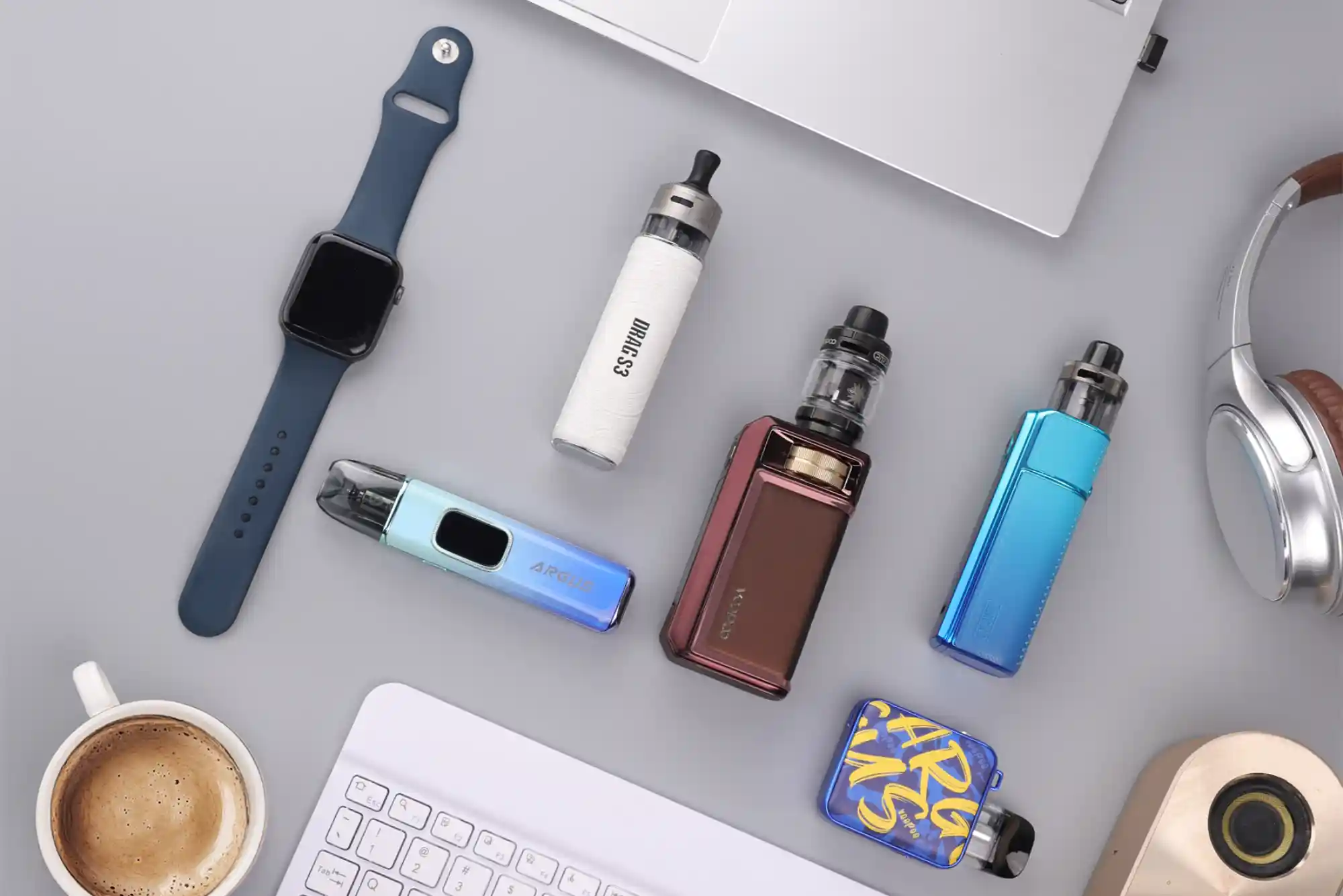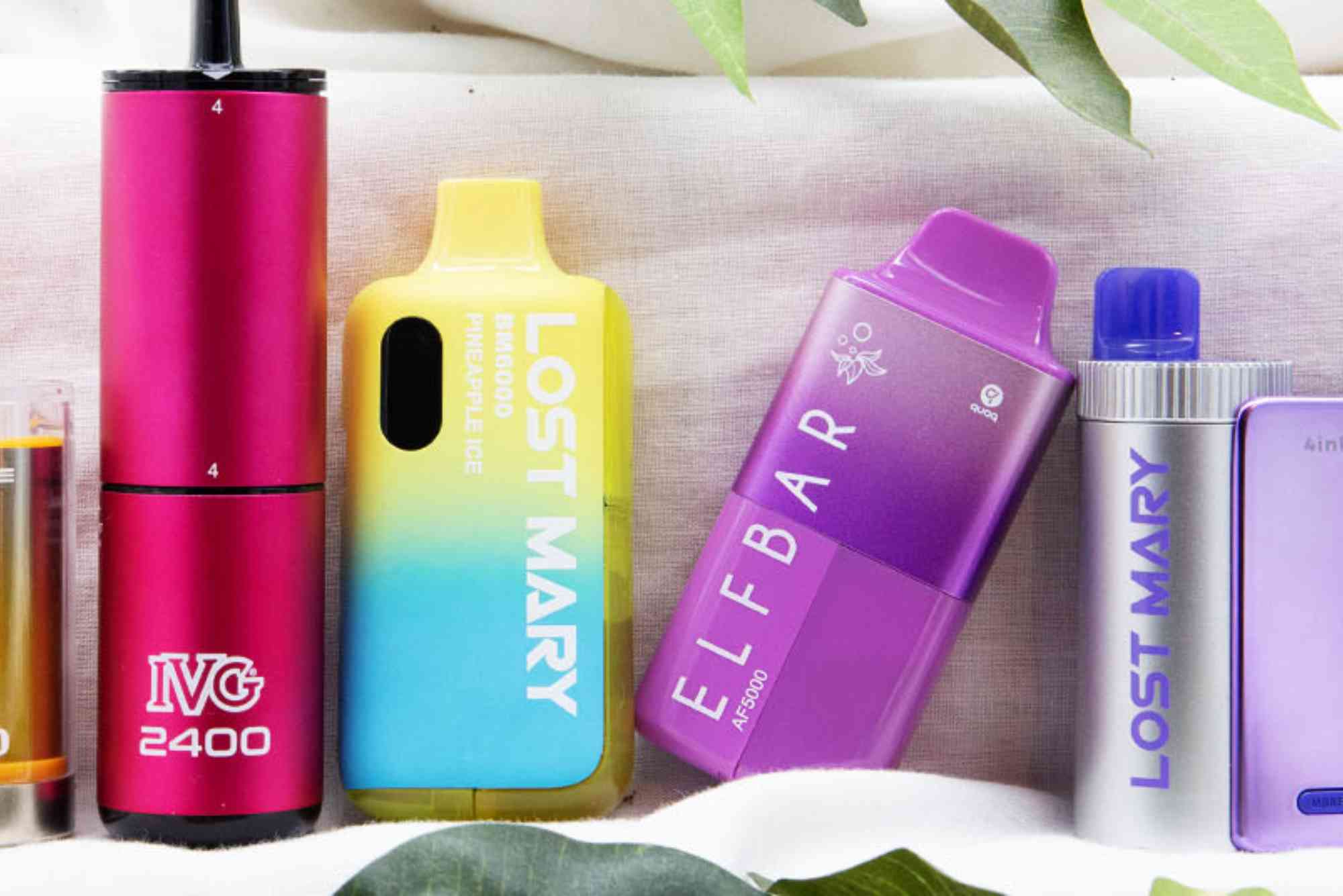
Vaping has become a global phenomenon, and nowhere is its regulation more unique than in the United Arab Emirates (UAE). In Dubai, vape laws are strict yet evolving, and they play a key role in shaping the future of harm reduction across the region. Understanding these laws is essential for residents, visitors, and investors alike. As more people look to vaping as an alternative to smoking cigarettes, Dubai’s regulatory stance offers a fascinating case study in balancing public health priorities with consumer demand.
From legal frameworks to import restrictions and harm reduction implications, Dubai’s approach is distinct. This article walks you through every aspect of vape laws in Dubai and examines how these rules influence broader strategies for reducing tobacco harm. By the end, you’ll have a clear picture of how law, health policy, and harm reduction intersect in one of the world’s most dynamic cities.
What Are Dubai’s Vape Laws?
Dubai’s vape laws are part of the UAE’s broader approach to controlling nicotine products. Vaping is legal for adults, but its use and distribution are tightly regulated. Unlike many countries where vaping is embraced as a harm reduction strategy, Dubai’s framework reflects a more cautious stance. This approach focuses on limiting access among youth, controlling quality, and preventing illicit products from entering the market.
In practical terms, this means that electronic cigarettes, vapes, and related devices are permitted for sale in licensed stores and through authorized online channels. However, there are rules governing where people can vape, how products are marketed, and what can be brought into the country. For anyone planning to import devices or e-liquids, whether for personal use or business, it’s vital to know the specifics, as penalties for non-compliance can be significant.
Legal Age and Retail Rules
In Dubai, you must be at least 18 years old to purchase vaping products. Retailers are expected to verify age and adhere to strict licensing requirements. These rules aim to prevent underage access while maintaining consumer safety standards. Unlike some Western countries where vape shops are widespread, Dubai’s licensed outlets tend to be more regulated. Many are connected to established tobacco retailers or pharmacies that have obtained permissions from authorities.
Although the retail environment is structured, consumers sometimes face limited flavor selections or product types compared to what’s available in other markets. This restriction is rooted in health policy choices that prioritize minimizing youth appeal and discouraging casual use.

Import and Travel Rules
Travelers should pay special attention to import regulations. Dubai allows visitors to bring vaping devices and e-liquids for personal use, but within reason. There is a personal allowance limit, and it’s crucial to understand what is permitted versus what might be considered commercial quantities. For detailed travel and import rules, check the Dubai Health Authority — travel & import rules for nicotine products to avoid fines or confiscation at customs.
Despite these allowances, enforcement can be strict. Airport security may inspect luggage, and failing to declare larger quantities can lead to penalties. Many travelers choose to carry documentation or receipts for their devices and e-liquids to demonstrate personal use.
Why Dubai’s Vape Laws Matter for Harm Reduction
At the heart of the conversation around vape laws in Dubai is harm reduction. Harm reduction refers to strategies designed to minimize negative health impacts without necessarily eliminating the behavior entirely. With tobacco smoking responsible for a wide range of diseases, many public health experts view vaping as a less harmful alternative for current smokers.
However, Dubai’s cautious regulatory environment demonstrates the tension between embracing harm reduction and protecting public health. On one hand, vaping can reduce exposure to harmful chemicals found in combustible tobacco smoke. On the other hand, regulators worry about addiction, youth uptake, and the long-term effects of inhaling aerosols.
Dubai’s current policies reflect this balancing act. By permitting vaping under regulated conditions, the authorities acknowledge its existence and potential role in harm reduction. Yet by tightly controlling sales, marketing, and flavors, they aim to prevent unintended consequences, especially among non-smokers and young people.
Public Health Perspectives: Support and Skepticism
Healthcare professionals and public health advocates in Dubai and the wider UAE have mixed views on vaping. Some recognize its potential as a tool for smokers who struggle to quit through traditional means. They point to evidence suggesting that vaping exposes users to fewer toxicants compared with cigarettes. Others urge caution, highlighting uncertainties around the long-term effects of vaping and concerns about nicotine addiction.
This nuanced perspective influences policy. Rather than outright banning vaping, Dubai’s regulators have opted for a middle ground. This approach strives to protect youth and non-smokers while offering adult smokers a potentially less harmful option, provided they purchase from regulated sources and comply with the law.
Enforcement and Penalties
Dubai’s vape laws are backed by substantial enforcement measures. Unauthorized sale of vaping products, distribution without a license, and selling to underage customers can lead to heavy fines or even business closure. Likewise, individuals caught importing commercial quantities without proper documentation may face penalties.
These enforcement efforts serve dual purposes: ensuring product safety and deterring illegal trade. Illicit vape products often lack quality assurances and may contain harmful substances. By focusing enforcement on unregulated products and sellers, authorities aim to reduce health risks associated with unsafe vaping products.
How Vape Laws Dubai Affect Everyday Vapers
For residents who vape regularly, understanding vape laws in Dubai is not optional—it’s essential. Compliance ensures that users avoid fines, confiscation, or legal trouble. At the same time, it also means adapting to a regulatory landscape that may feel more restrictive compared with other countries.
Vapers often report limited access to certain devices or e-liquid flavors. This restriction, while aimed at reducing youth appeal, sometimes frustrates adult consumers who view vaping as a quitting tool. Despite these limitations, many vapers navigate the system by purchasing from licensed outlets or reputable online vendors that comply with UAE regulations.
Importantly, travelers who vape should plan ahead. Bringing small quantities of devices and e-liquids for personal use is generally acceptable, but exceeding personal allowances can create problems. Understanding airport regulations, customs requirements, and local laws ensures smoother travel experiences.
Economic and Business Impacts
Dubai’s vape laws also shape the business landscape. Entrepreneurs interested in entering the vape market must navigate licensing procedures, compliance requirements, and quality standards. While this presents barriers for small, independent sellers, it benefits consumers by ensuring that products meet safety and regulatory benchmarks.
Multinational companies and established brands often dominate the market, given their ability to meet regulatory demands. For consumers, this may mean higher prices but also greater assurance of product quality. The business environment reflects wider trends in Dubai: regulated growth rather than laissez-faire expansion.
Comparing Dubai to Global Vape Regulations
To appreciate how distinctive Dubai’s approach is, it helps to compare it with other regulatory models. In countries like the United Kingdom, vaping is actively promoted as a harm reduction strategy, with public health campaigns encouraging smokers to switch. Meanwhile, nations such as Singapore have historically taken a more prohibitive stance, banning e-cigarettes almost entirely.
Dubai’s model sits somewhere in between. It is not as permissive as the UK, nor as restrictive as Singapore. Instead, it reflects a context-sensitive approach that prioritizes control, safety, and incremental harm reduction rather than broad liberalization.
This middle path has implications for public health outcomes. While some smokers may find it harder to access a wide range of vape products, the regulated market reduces the likelihood of unsafe or counterfeit devices. Over time, Dubai’s policies may evolve further in response to emerging evidence and global trends.
The Future of Harm Reduction in Dubai
What does the future hold for vape laws in Dubai and harm reduction more broadly? Several factors are likely to influence future policy directions. First, ongoing research into the health effects of vaping will play a crucial role. As international health bodies release new findings, regulators may adjust their stance to reflect the latest science.
Second, public demand and market trends matter. If more smokers seek alternatives to combustible tobacco, pressure may grow for expanded access to vape products. This could lead to broader product availability or refined regulations that better balance harm reduction with youth protection.
Third, international developments and best practices will continue to influence policymakers in the UAE. Countries that successfully integrate vaping into harm reduction strategies without significant youth uptake may offer valuable lessons.
Ultimately, the future of harm reduction in Dubai depends on dynamic interactions between science, public health priorities, and regulatory frameworks. The city’s current laws suggest a commitment to careful oversight rather than rapid change, but adaptation is possible as evidence evolves.
Insight from Users and Public Opinion
Everyday experiences with vape laws in Dubai vary. Many smokers who switch to vaping appreciate the reduced odor and perceived health benefits compared to cigarettes. Yet they also voice frustration over limited flavor choices or higher prices stemming from regulatory compliance costs.
Other residents argue that strict laws protect youth and non-smokers from nicotine addiction. In public discussions, these diverse perspectives highlight the complexity of crafting policies that serve multiple goals simultaneously. Vape laws in Dubai are not just legal texts; they reflect a broader societal conversation about wellbeing, personal freedom, and public health responsibilities.
Practical Tips for Vapers Visiting Dubai
If you plan to visit Dubai and vape, preparation is key. First, research local regulations before your trip. Know how much vaping equipment and e-liquid you can bring without violating customs rules. Always declare larger quantities to avoid misunderstandings.
Second, purchase products from licensed retailers to ensure compliance and quality. Counterfeit or unregulated products pose health risks and can attract legal trouble. By choosing reputable vendors, you reduce both legal and health risks.
Third, be mindful of where you vape. Dubai has public smoking restrictions similar to many global cities. Respect signs prohibiting smoking or vaping in indoor areas to avoid fines and ensure a pleasant environment for everyone.
What Vape Laws Dubai Teach Us About Harm Reduction
Dubai’s approach to vaping illustrates a thoughtful, if cautious, embrace of harm reduction. By permitting adult access within a regulated framework, the city acknowledges vaping’s potential benefits while prioritizing safety and youth protection. These vape laws shape not only consumer behavior but also business practices and public health strategies.
As research continues and global perspectives evolve, Dubai’s policies may adapt further. For now, the city’s stance offers a distinctive model: one that seeks balance in a complex public health landscape. Whether you’re a resident, traveler, or health professional, understanding these laws enriches your view of how regulation can influence harm reduction, consumer protection, and societal wellbeing.
Utah vape laws 2021 – How It Shapes the Future of Harm Reduction In 2021, Utah implemented stricter vape regulations, raising the minimum purchase age to 21 and restricting flavored e-cigarettes. These measures aim to curb youth vaping while promoting harm reduction for adult smokers seeking safer alternatives. The laws set a precedent for balancing public health with vaping as a cessation tool.
Ready to stay informed? Keep reading to understand how emerging evidence may shape future regulations and what that means for harm reduction worldwide.
Frequently Asked Questions
What is the legal age to vape in Dubai?
In Dubai, you must be at least 18 years old to purchase and use vaping products. Retailers are required to verify age before sale, and enforcement is strict to prevent underage access.
Can I bring my vape devices into Dubai?
Yes, travelers can bring vape devices and e-liquids for personal use. It’s important to stay within personal allowance limits and declare any large quantities at customs to avoid fines or confiscation.
Are flavors restricted under Dubai’s vape laws?
Dubai’s regulations do not outright ban flavored e-liquids, but the market often has limited flavor options due to public health concerns. Retailers focus on products that comply with regulatory expectations.
How do Dubai’s vape laws impact harm reduction?
Dubai’s vape laws aim to balance harm reduction with safety. By regulating sales and restricting youth access, the city allows adult smokers a less harmful alternative while seeking to reduce unintended consequences.
What happens if I buy vape products from unlicensed sellers in Dubai?
Purchasing from unlicensed sellers can expose you to unsafe products and potential legal penalties. It’s recommended to buy from authorized retailers to ensure product quality and compliance with local laws.
Looking for the latest in vaping news, reviews, and products? Visit vapezone360.com for comprehensive guides, in-depth reviews, and all the information you need to stay up-to-date in the vaping world.
Related Reading: Vape Laws on Ballot – How It Shapes the Future of Harm Reduction