Introduction
Fashion and technology are becoming increasingly connected. From smartwatches to intelligent fabrics, modern innovations are changing how people express themselves. The relationship between personal technology and fashion is also expanding into new areas. One emerging discussion is Vaping and Smart Fashion: How Vape Technology is Changing Style in 2025. This trend explores how technology-inspired designs, digital culture, and contemporary accessories influence modern style.
In 2025, fashion is no longer limited to clothing and footwear. Technology plays an important role in personal expression. Consumers increasingly appreciate products that combine attractive designs with practical features. Meanwhile, smart accessories are influencing streetwear, luxury fashion, and everyday styling.
Vape technology has also become part of conversations surrounding modern design. Compact devices, futuristic finishes, minimalist shapes, and digital displays reflect wider technology-inspired aesthetics. However, vaping products are not traditional fashion accessories. Their design influence is best understood through broader discussions about technology, lifestyle branding, and contemporary visual culture.
How Vaping and Smart Fashion Are Connected in 2025
The connection between vaping and smart fashion reflects a wider cultural interest in technology-driven design. Modern consumers encounter digital features in everyday products. Smartphones, wireless earbuds, smartwatches, and connected clothing have changed expectations about personal accessories.
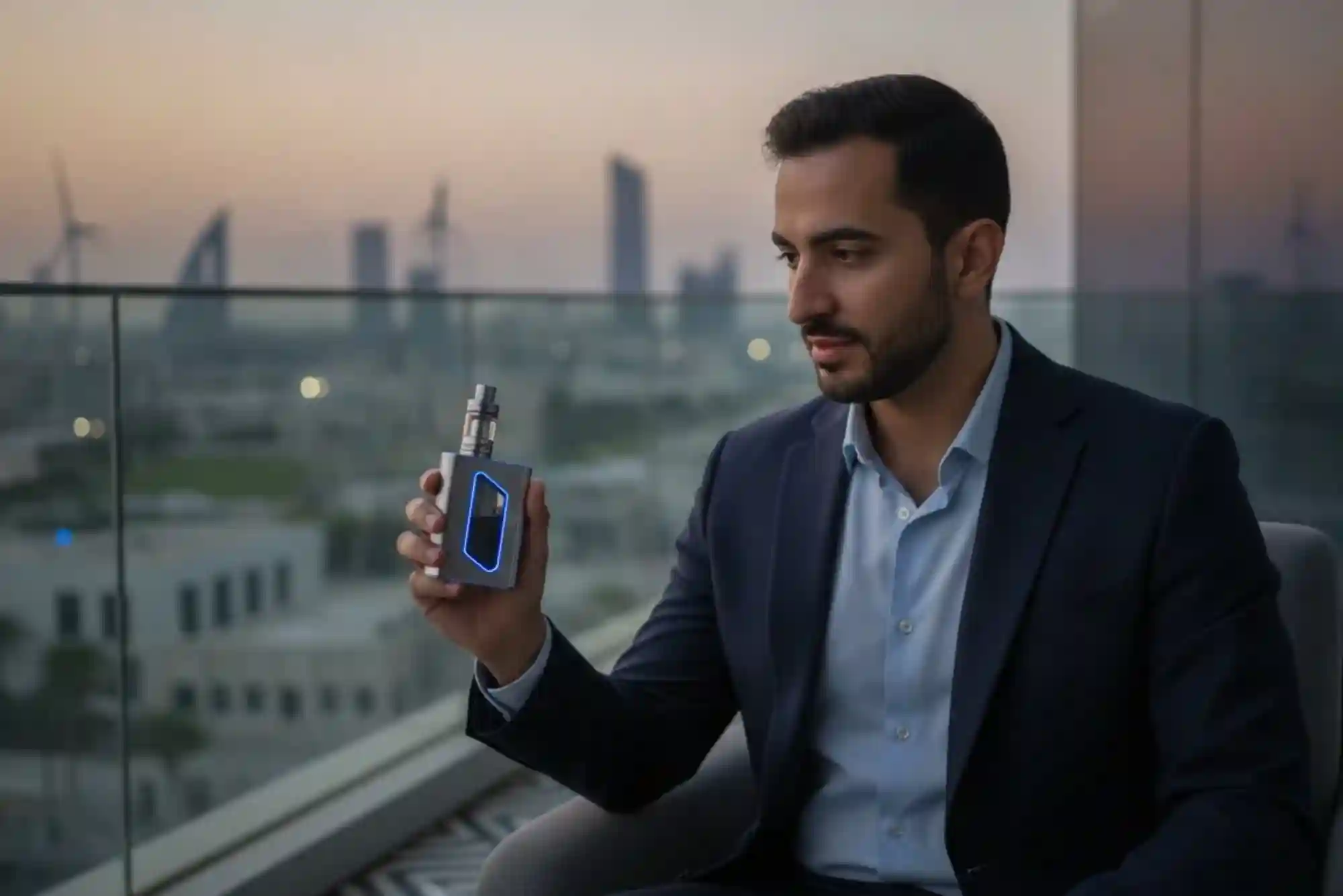
Vape devices sometimes feature design elements associated with consumer electronics. These include smooth surfaces, compact structures, metallic finishes, and digital interfaces. Such characteristics resemble the minimalist approach found in modern technology products.
However, appearance does not make a vaping device wearable technology. The connection mainly concerns industrial design and visual inspiration.
Fashion designers increasingly explore how technology can influence personal style. Their work combines functionality, creativity, and innovative materials. Consequently, technology-inspired aesthetics continue influencing modern collections.
The Rise of Technology-Inspired Fashion Accessories
Fashion accessories are becoming more advanced. Traditional accessories now compete with products offering digital convenience and innovative functionality.
Minimalist Designs and Modern Technology
Minimalism remains an important influence on contemporary fashion. Clean shapes, simple finishes, and subtle details create sophisticated appearances. These design principles also appear in many modern electronic devices.
Vape technology sometimes follows similar visual principles. Manufacturers use streamlined shapes and compact designs to create recognizable products. These aesthetics reflect the broader movement toward understated consumer electronics.
The influence becomes visible in accessories such as metallic jewelry, structured bags, and minimalist watches. Designers frequently use technology-inspired details to create contemporary collections.
Digital Displays and Futuristic Styling
Digital displays have become familiar features in modern consumer products. Smartwatches and electronic accessories use screens to communicate information. These features also influence futuristic fashion concepts.
Some vape devices incorporate digital displays. Their interfaces demonstrate how electronic products combine practical information with product design.
Fashion designers can take inspiration from these visual elements without incorporating vaping products into clothing. Digital-inspired patterns, illuminated details, and geometric shapes offer creative possibilities.
Wearable Technology Is Transforming Everyday Fashion
Wearable technology is one of the strongest examples of fashion and innovation working together. Smartwatches, fitness trackers, and connected accessories provide practical benefits while complementing personal style.
Smart Clothing and Functional Design
Smart clothing combines traditional fabrics with electronic components. Some garments include temperature regulation, activity tracking, or connected sensors.
These innovations demonstrate how fashion can become more interactive. Instead of focusing entirely on appearance, designers consider comfort and functionality.
Technology-inspired fashion also encourages experimentation with materials. Reflective surfaces, flexible textiles, and lightweight structures create new design opportunities.
Smart Accessories for Modern Consumers
Modern accessories increasingly combine appearance with convenience. Wireless earbuds, smart rings, and connected watches demonstrate this shift.
Consumers often prefer products that fit naturally into their everyday routines. Therefore, designers focus on compact dimensions and comfortable materials.
The visual language of electronic devices can influence fashion accessories. Metallic finishes, smooth edges, and futuristic details create a consistent contemporary appearance.
The Influence of Vape Technology on Contemporary Design
Discussions about Vaping and Smart Fashion: How Vape Technology is Changing Style in 2025 often focus on the relationship between electronic product design and fashion aesthetics.
Vape technology offers an example of how consumer electronics use industrial design to differentiate products. Different finishes, shapes, and interfaces communicate particular visual identities.
Compact Structures and Modern Aesthetics
Compact electronic products have influenced contemporary industrial design. Smaller dimensions create opportunities for portability and simpler product styling.
Similar principles appear in modern fashion accessories. Small crossbody bags, compact wallets, and minimalist jewelry reflect the preference for streamlined designs.
This connection demonstrates how different industries can share design ideas. However, fashionable appearance should never be confused with product safety or health benefits.
Metallic Finishes and Futuristic Details
Metallic finishes remain popular across technology and fashion. Silver, graphite, chrome, and brushed-metal textures create modern visual effects.
Electronic devices frequently use these finishes to communicate sophistication. Fashion designers apply similar materials to handbags, footwear, jewelry, and clothing details.
These elements help create futuristic collections without relying on electronic products themselves.
How Technology Is Influencing Streetwear Culture
Streetwear has always reflected changes in popular culture. Music, digital entertainment, sports, and technology influence its development.
In 2025, technology-inspired fashion continues appearing through oversized silhouettes, technical fabrics, graphic designs, and functional accessories.
The Growing Popularity of Techwear
Techwear combines contemporary fashion with practical clothing features. Waterproof materials, multiple pockets, adjustable structures, and lightweight fabrics are common characteristics.
Its appearance often reflects the aesthetics of modern electronics. Neutral colors and geometric details create futuristic styling.
Vaping-related visual culture sometimes overlaps with these broader technology aesthetics. Nevertheless, streetwear trends do not require vaping products.
Graphic Designs and Digital Influences
Graphic fashion provides another connection between technology and personal expression. Digital illustrations, futuristic typography, and electronic-inspired patterns appear on shirts, jackets, and accessories.
Designers use these elements to communicate creativity and individuality.
Technology-inspired graphics can also reflect wider conversations about innovation and sustainability. This gives contemporary fashion a stronger connection with modern cultural interests.
Sustainability and the Future of Fashion Technology
Sustainability has become an important consideration for the fashion industry. Consumers increasingly question how products are manufactured, packaged, transported, and discarded.
Technology can support more responsible fashion production. Digital design software helps brands develop products efficiently. Innovative materials can also reduce unnecessary resource consumption.
For further insight, explore the future of fashion tech in 2025, particularly the relationship between sustainability and changing fashion practices.
Eco-Friendly Materials and Responsible Production
Fashion brands are exploring recycled fabrics, plant-based materials, and innovative manufacturing methods.
These developments offer alternatives to traditional production processes. They also encourage consumers to consider product durability rather than temporary trends.
Technology can improve material tracking and supply-chain transparency. As a result, brands can communicate production information more clearly.
Electronic Waste and Responsible Consumption
The relationship between fashion and electronic products also raises environmental questions.
Electronic accessories require responsible disposal. Batteries, circuit boards, and other components can create environmental challenges when discarded incorrectly.
Vaping devices raise similar concerns because many contain batteries and electronic components. Disposable products can contribute to electronic waste.
Therefore, sustainability discussions should consider the complete product lifecycle. Attractive design should never replace responsible manufacturing and disposal practices.
The Role of Social Media in Smart Fashion Trends
Social media platforms have transformed how fashion trends develop. Instagram, TikTok, Pinterest, and other platforms allow designers and creators to share visual inspiration.
Technology-inspired fashion benefits from this digital environment. Short videos, styling photographs, and product demonstrations introduce new aesthetics to wider audiences.
Influencers and Modern Style Inspiration
Fashion influencers frequently introduce innovative combinations of clothing and accessories. Their content encourages audiences to explore different colors, materials, and silhouettes.
Techwear, futuristic jewelry, and digital-inspired accessories are common subjects within modern fashion discussions.
However, audiences should distinguish creative styling from product promotion. Responsible fashion content should prioritize originality, transparency, and consumer awareness.
Digital Communities and Fashion Identity
Online communities help people discover emerging styles. Members exchange ideas about clothing, accessories, and design innovations.
These communities also influence how brands communicate with customers. Companies increasingly use digital platforms to understand changing preferences.
Consequently, technology is becoming both a fashion influence and an important part of the fashion industry itself.
What Does the Future Hold for Smart Fashion?
The future of smart fashion will likely involve stronger connections between clothing, digital services, and innovative materials.
Designers are exploring garments that respond to environmental conditions. Smart textiles may provide improved comfort and additional functionality.
Meanwhile, wearable devices will continue becoming smaller and more integrated into everyday accessories.
Artificial Intelligence and Personalized Fashion
Artificial intelligence is changing how consumers discover clothing. Recommendation systems can suggest products according to preferences and shopping behavior.
Designers can also use AI-assisted tools to explore patterns, colors, and creative concepts.
In the future, personalized fashion experiences may become more common. Consumers could receive styling recommendations based on their individual preferences.
Connected Accessories and Everyday Convenience
Connected accessories are likely to remain important. Smart rings, watches, headphones, and other wearable devices demonstrate how technology can become part of everyday styling.
The goal is to make technology feel natural rather than distracting.
This principle also explains why minimalist electronic designs influence contemporary fashion. Products that combine attractive appearances with practical functionality often receive attention.
Challenges Surrounding Vaping and Smart Fashion
Although technology-inspired design creates exciting possibilities, several challenges deserve attention.
First, consumers must understand the difference between fashionable appearance and product functionality. A digital display or attractive finish does not establish product quality.
Second, vaping carries health risks. Nicotine is addictive, and vaping is not risk-free. Non-smokers and young people should avoid starting.
Third, electronic waste remains a concern. Manufacturers and consumers must consider battery recycling and responsible disposal.
Finally, fashion brands should avoid presenting vaping as a requirement for modern identity. Creativity and personal expression should remain independent of nicotine consumption.
The future of vape apparel in 2025 reflects a growing blend of modern streetwear, innovative accessories, and personal style. From graphic T-shirts and stylish hoodies to practical bags and statement accessories, these must-have items highlight contemporary fashion trends. Choosing comfortable, versatile apparel helps create a distinctive look inspired by evolving fashion culture.
Conclusion
Vaping and Smart Fashion: How Vape Technology is Changing Style in 2025 highlights the growing relationship between electronic product design and contemporary fashion aesthetics.
Compact structures, metallic finishes, digital interfaces, and futuristic styling demonstrate how technology influences visual culture. Meanwhile, smart clothing and connected accessories are transforming everyday fashion through practical innovation.
Frequently Asked Questions
How is technology changing the fashion industry in 2025?
Technology is transforming fashion through smart fabrics, artificial intelligence, digital design, and connected accessories. These developments improve personalization, functionality, and production efficiency.
What is smart fashion?
Smart fashion combines clothing and accessories with innovative materials or electronic technology. Examples include fitness-tracking How does vaping influence fashion trends?
Vaping influences some contemporary design conversations through electronic product aesthetics. Compact shapes, metallic finishes, and futuristic interfaces reflect wider consumer technology trends.
What are the latest fashion technology trends?
Important trends include AI-powered styling, smart textiles, wearable devices, digital fashion, sustainable materials, and personalized shopping experiences.
Is wearable technology part of modern fashion?
Yes. Smartwatches, fitness trackers, connected rings, and intelligent clothing combine practical functionality with personal style.
As vaping trends continue to evolve, staying informed about the latest devices, industry developments, and vaping innovations is essential. Exploring reliable online resources can help readers discover useful insights, product information, and emerging trends. For those interested in learning more about the vaping world, VapeZone360 offers a dedicated platform covering vaping-related topics, updates, and industry insights.
Related Reading: Vaping and Tech Fashion: Wearable Vape Devices and Their Impact on Style — full guide
Related Reading: Vaping and Gender-Neutral Fashion: A New Age for 2025 — full guide
Related Reading: Vaping and Street Style: How Vape Gear Became a Fashion Statement — full guide