Introduction
Technology continues to influence how people express their personalities through fashion. From smartwatches to connected clothing, wearable technology has become part of modern lifestyles. Now, conversations about Vaping and Tech Fashion: Wearable Vape Devices and Their Impact on Style are introducing another interesting aspect of this development.
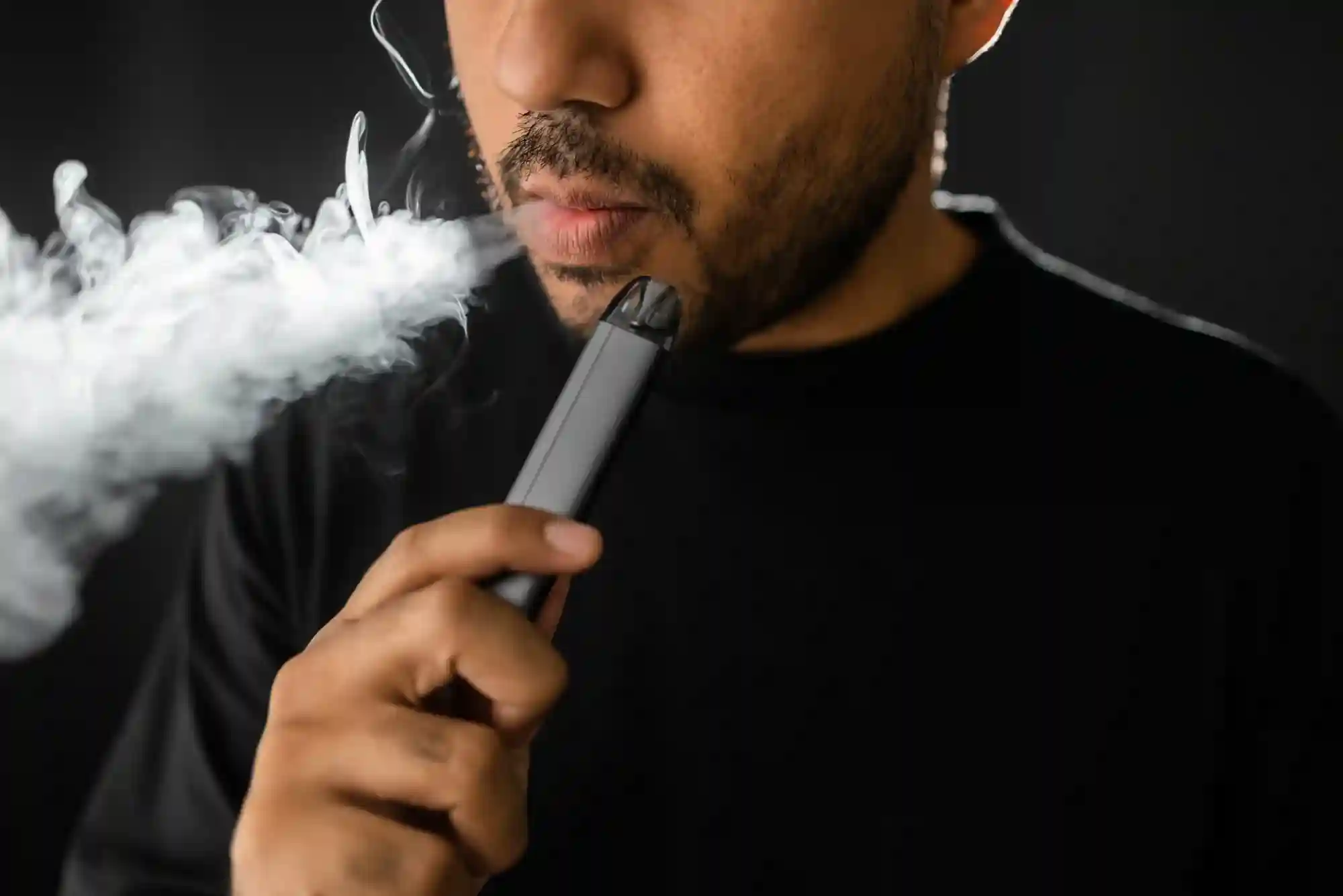
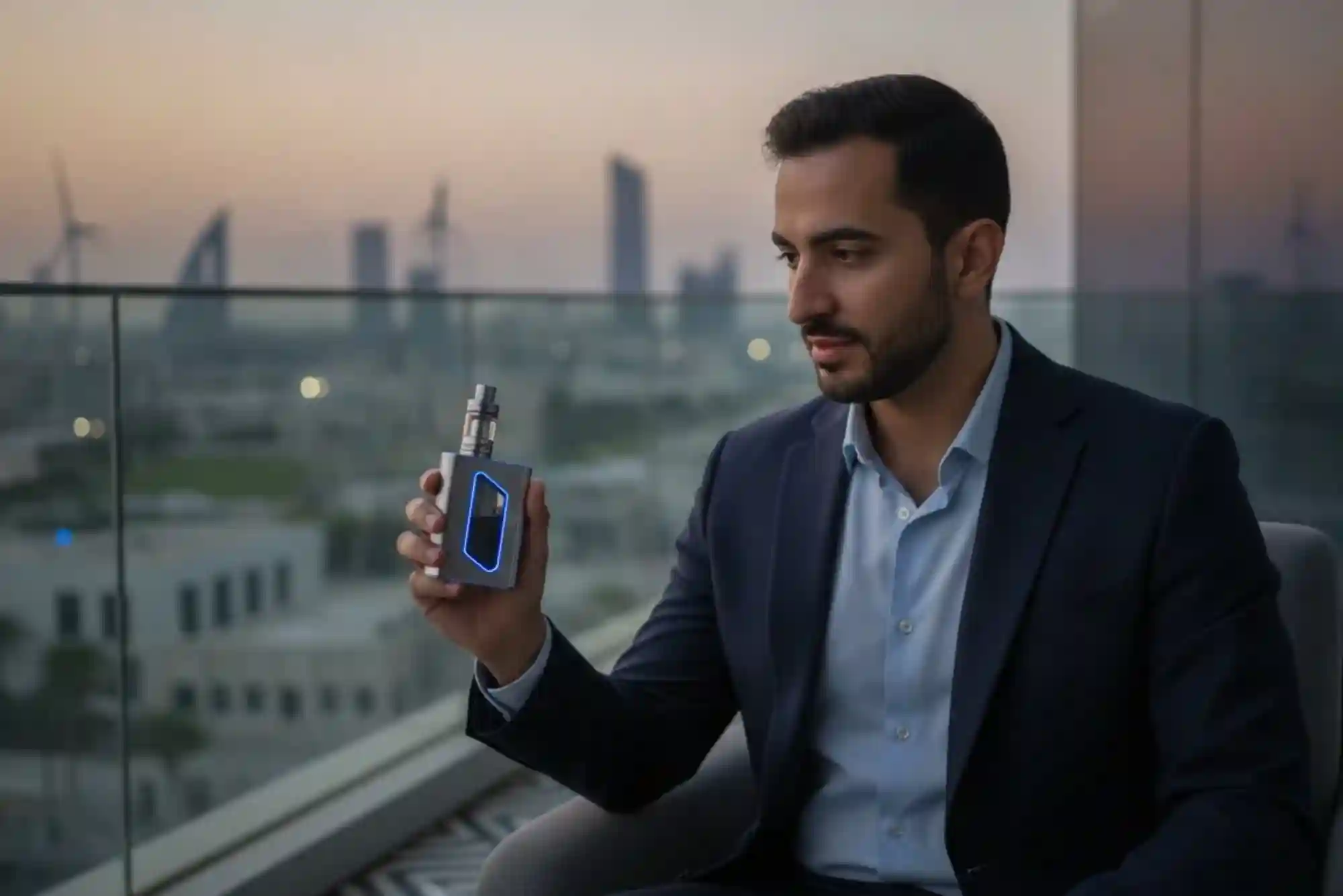
Modern vaping devices often feature compact designs, digital displays, metallic finishes, and futuristic appearances. These characteristics connect product design with broader fashion trends. However, vaping products are not ordinary fashion accessories. They contain substances that may pose health risks, and their appearance should not distract from responsible use.
The relationship between vaping and technology also raises interesting questions. Can personal devices influence fashion preferences? How does minimalist technology shape everyday accessories? Furthermore, what does wearable innovation mean for the future of fashion?
Understanding these connections helps explain how technology, product aesthetics, and personal expression intersect.
Understanding Vaping and Tech Fashion
Vaping and tech fashion describe the intersection of electronic product design, wearable technology, and contemporary style. This relationship focuses on appearance, convenience, materials, and technological innovation.
Fashion has always reflected technological developments. Smartphones changed handbag designs, while smartwatches introduced digital accessories into everyday outfits. Similarly, compact electronic devices have encouraged manufacturers to explore more sophisticated product appearances.
The Growing Influence of Technology on Fashion
Technology has transformed fashion beyond traditional fabrics and accessories. Designers increasingly experiment with connected materials, digital customization, and interactive products.
Smart clothing illustrates this transformation. Some garments incorporate sensors that monitor movement, temperature, or physical activity. Meanwhile, connected accessories combine practical functions with modern aesthetics.
Vaping and Tech Fashion fit into this wider discussion because electronic vaping devices demonstrate how everyday technology can develop recognizable visual identities.
Nevertheless, attractive industrial design does not make vaping safe. Product appearance and health considerations must remain separate.
Why Device Design Matters
Consumers often notice appearance before examining technical specifications. Shape, weight, color, texture, and finishing influence how products are perceived.
Manufacturers understand that visual design affects product recognition. Consequently, many electronic devices feature streamlined bodies and carefully selected materials.
This approach reflects broader technology design principles. Products increasingly prioritize simplicity, portability, and recognizable visual identities.
How Wearable Technology Influences Modern Style
Wearable technology has changed expectations about everyday accessories. Smartwatches, fitness trackers, wireless earbuds, and connected glasses demonstrate how electronic products can complement personal style.
These products combine practical features with carefully developed appearances.
Minimalist Designs and Compact Technology
Minimalism remains an important influence in contemporary product design. Consumers frequently encounter electronics with clean surfaces, simple controls, and understated colors.
Compact electronic devices reflect this preference. Their designs often emphasize portability without unnecessary decorative elements.
Vaping devices sometimes follow similar industrial design principles. However, their compact appearance should not automatically classify them as wearable technology.
Actual wearable technology is generally designed to be attached to, integrated into, or comfortably worn on the body.
Materials and Finishing
Materials contribute significantly to how technology looks and feels. Aluminum, stainless steel, glass, and textured polymers appear across modern consumer electronics.
These materials create different visual experiences. Metallic surfaces communicate a contemporary appearance, while matte finishes offer a more understated aesthetic.
Vaping and Tech Fashion discussions often highlight these similarities between electronic product design and fashionable accessories.
Still, materials should also be evaluated through durability, electrical safety, and product quality.
The Relationship Between Vaping Devices and Personal Expression
Personal style involves more than clothing. Accessories, footwear, watches, and electronic products can communicate individual preferences.
Technology has expanded this expression through customizable devices and distinctive product designs.
Color, Shape, and Individual Preferences
Color influences how consumers perceive electronic products. Neutral shades often create understated appearances, while brighter finishes attract attention.
Shape also matters. Rounded edges, slim profiles, and symmetrical layouts can create a sophisticated visual impression.
Some vaping products offer different colors and exterior finishes. These choices demonstrate how manufacturers apply familiar consumer electronics design principles.
However, purchasing decisions should prioritize safety and legal compliance rather than appearance alone.
Technology as a Lifestyle Statement
Technology has become deeply connected with contemporary lifestyles. Smartphones and smartwatches frequently appear alongside traditional fashion accessories.
Their presence reflects the growing relationship between digital convenience and personal identity.
Vaping and Tech Fashion explore a similar cultural intersection. Yet, vaping should not be presented as a necessary lifestyle accessory or a fashion recommendation.
The more useful discussion concerns industrial design, consumer behavior, and how technology influences visual culture.
Smart Design Trends Shaping the Future of Fashion
The future of fashion technology extends far beyond electronic vaping products. Designers are exploring intelligent fabrics, responsive clothing, and connected accessories.
These innovations demonstrate how technology can make fashion more functional.
Smart Fabrics and Connected Clothing
Smart fabrics incorporate technologies that respond to environmental conditions or physical activity.
For example, some experimental textiles monitor temperature and movement. Others investigate ways to improve comfort through responsive materials.
These developments could transform sportswear, professional clothing, and everyday garments.
Unlike ordinary electronic accessories, smart textiles integrate technology directly into clothing.
Digital Customization and Personalization
Personalization is becoming increasingly important in consumer technology. Digital interfaces allow users to adjust settings, select colors, and customize experiences.
Fashion brands are also experimenting with digital design tools. These tools help customers explore different appearances before purchasing products.
The same broader interest in customization appears across consumer electronics.
For readers exploring the future of fashion tech in 2025, developments in fashion innovation provide useful context. Emerging designers and technology-focused initiatives demonstrate how creative industries are exploring new possibilities.
These developments suggest that fashion’s next chapter will involve closer collaboration between designers, engineers, and digital innovators.
Vaping and Tech Fashion: Important Design Considerations
Although electronic vaping devices share certain visual characteristics with modern technology products, their design raises additional considerations.
Understanding these differences helps separate fashion trends from product safety.
Portability and Practical Design
Portability is an important feature across consumer electronics. Wireless earbuds, smartwatches, and compact cameras demonstrate how smaller products can support everyday convenience.
Vaping devices also commonly feature compact construction. However, portability does not eliminate potential health risks or legal restrictions.
Electronic products containing batteries and heating components require appropriate safety standards.
Battery Safety and Product Quality
Battery technology plays an important role in electronic product design. Poor manufacturing, damaged batteries, and unsuitable charging equipment can create serious safety concerns.
Consumers should follow manufacturer safety instructions and avoid damaged or unauthorized charging components.
Fashionable appearances should never replace technical evaluation.
Responsible Technology Communication
Brands increasingly need to communicate product information clearly. Transparent specifications and accurate descriptions help consumers understand what they purchase.
This principle is particularly important for products involving nicotine or other potentially harmful substances.
Marketing should avoid suggesting that vaping is harmless, environmentally beneficial, or necessary for fashionable self-expression.
The Influence of Social Media on Tech Fashion
Social media has become an important platform for fashion discovery. Instagram, Pinterest, TikTok, and other platforms introduce audiences to emerging aesthetics.
Technology products frequently appear in outfit photography, lifestyle content, and product reviews.
Digital Creators and Fashion Trends
Fashion creators influence how audiences discover new accessories. Their content often combines clothing recommendations with discussions about gadgets and personal technology.
Minimalist electronics, futuristic accessories, and coordinated outfits frequently appear in contemporary visual culture.
However, sponsored content should be clearly identified. Consumers should also distinguish genuine product information from promotional claims.
Online Communities and Consumer Preferences
Online communities allow people to discuss design preferences and emerging technologies.
Fashion enthusiasts may exchange ideas about materials, colors, wearable electronics, and sustainable manufacturing.
These conversations help businesses understand changing expectations.
Vaping and Tech Fashion can also be examined through this cultural perspective without encouraging nicotine consumption or presenting vaping as fashionable behavior.
Challenges Facing Wearable Fashion Technology
Despite its potential, wearable fashion technology faces several challenges.
Privacy and Data Protection
Connected clothing and wearable devices may collect personal information. Depending on their functions, they can process movement, location, or health-related information.
Manufacturers must protect this information through responsible data practices.
Consumers should understand privacy policies before connecting wearable products to mobile applications.
Sustainability and Electronic Waste
Electronic accessories create environmental challenges when products become outdated or damaged.
Batteries, circuit boards, and mixed materials can complicate recycling.
Fashion technology companies should consider repairability, responsible sourcing, and product longevity.
Electronic vaping products also raise waste concerns because batteries and electronic components require appropriate disposal.
Consumers should follow local electronic waste collection requirements instead of placing these products in ordinary household recycling.
Affordability and Accessibility
Advanced wearable technology can be expensive. Consequently, innovative products may remain inaccessible to some consumers.
Fashion technology should consider different budgets and practical requirements.
Affordable manufacturing, accessible designs, and repair services could make future innovations more widely available.
What Does the Future Hold for Vaping and Tech Fashion?
The relationship between fashion and technology will continue evolving. However, the most meaningful developments are likely to involve wearable computing, intelligent fabrics, and connected accessories.
Vaping and Tech Fashion provide an opportunity to examine how electronic product aesthetics overlap with contemporary design culture.
Future fashion innovation may introduce clothing that adjusts to environmental conditions. Accessories could become more personalized through digital interfaces.
Meanwhile, advances in sustainable materials could reduce the environmental impact of manufacturing.
Artificial Intelligence and Fashion Design
Artificial intelligence is changing how designers approach creative projects.
AI-powered tools can help generate design concepts, analyze consumer preferences, and explore new material combinations.
Fashion businesses can use these technologies to identify emerging trends and improve product development.
However, human creativity remains essential. Designers must balance technological possibilities with comfort, cultural relevance, and practical usability.
The Next Generation of Wearable Accessories
Future accessories may combine several functions within smaller products.
Smart glasses, connected jewelry, and intelligent clothing already demonstrate this direction.
Improved battery efficiency and lightweight materials could make these products more comfortable.
Rather than treating every electronic device as a fashion accessory, future designers will likely focus on products that genuinely improve everyday experiences.
Vaping culture has influenced men’s casual fashion in 2025, shaping modern lifestyle trends and personal style choices. From streetwear and relaxed outfits to fashionable accessories, men increasingly combine contemporary fashion with individual expression. Understanding the impact of vaping on men’s casual fashion for 2025 highlights the connection between evolving lifestyle trends and modern everyday clothing.
Conclusion
Vaping and Tech Fashion: Wearable Vape Devices and Their Impact on Style highlight an interesting intersection between electronic product design and contemporary visual culture.
Compact shapes, modern materials, customizable finishes, and minimalist appearances demonstrate how technology influences consumer product aesthetics.
Frequently Asked Questions
What is wearable technology in fashion?
Wearable technology in fashion refers to electronic features integrated into clothing or accessories. Examples include smartwatches, connected glasses, fitness trackers, and sensor-equipped garments.
How does technology influence modern fashion?
Technology influences fashion through smart fabrics, digital customization, innovative materials, and connected accessories. It also changes how designers develop, produce, and present clothing.
Are vaping devices considered wearable technology?
Most vaping devices are portable electronic products rather than wearable technology. They generally lack the body-integrated functionality associated with smart clothing and wearable electronics.
How do wearable devices influence personal style?
Wearable devices can complement clothing through their materials, shapes, colors, and designs. Smartwatches and connected glasses are examples of technology products that also function as accessories.
What are the latest trends in fashion technology?
Important trends include smart textiles, AI-assisted design, connected accessories, digital customization, and sustainable manufacturing. These developments combine functionality with contemporary aesthetics.
Is wearable technology safe?
Safety depends on the product, materials, electrical components, and intended use. Consumers should check product certifications, privacy policies, and manufacturer instructions.
For readers interested in vaping trends, product information, and the latest industry insights, finding a reliable online resource is essential. VapeZone360 offers a platform to explore vaping-related topics, discover useful information, and stay informed about developments in the vaping industry. Visit VapeZone360 to learn more and explore its online resources.
Related Reading: Vaping and Street Style: How Vape Gear Became a Fashion Statement
Related Reading: The Impact of Vape Culture on the Future of Fashion in 2025
Related Reading: Vaping and Smart Fashion: How Vape Technology is Changing Style in 2025