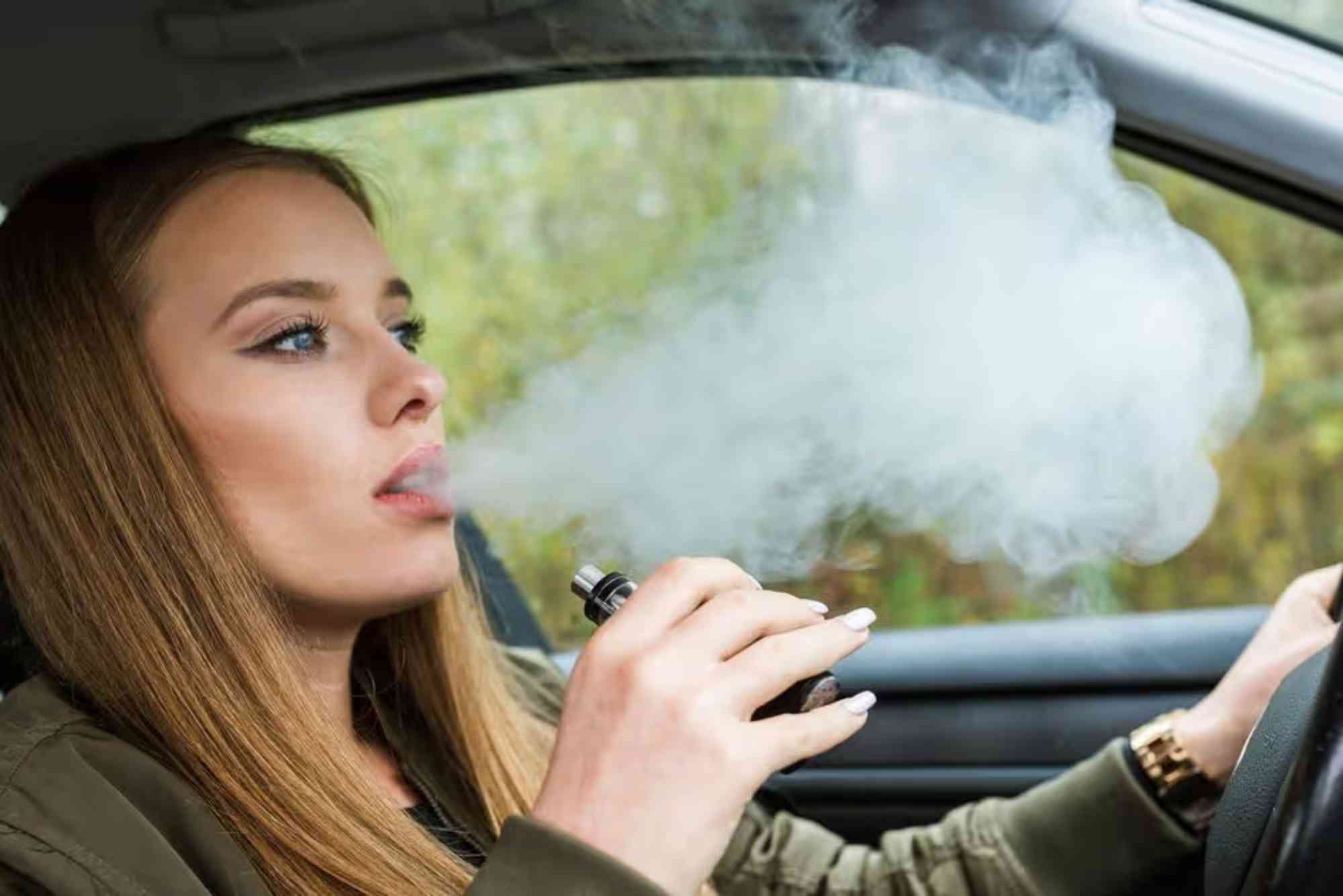
Vaping has become an increasingly common habit, especially among adults trying to quit smoking. But as more people use e‑cigarettes, a key question arises: Is it illegal to vape whilst driving? This topic sits at the intersection of road safety, public health, and harm reduction. Many drivers wonder whether vaping behind the wheel could result in penalties, while health advocates debate how vaping fits into broader efforts to reduce tobacco‑related harm. In this article, we’ll unpack the legal landscape, safety issues, public health implications, and what these trends mean for the future of harm reduction.
Understanding the Legal Status of Vaping While Driving
The simple answer to whether it is illegal to vape whilst driving is that in most places there is no specific law that outright bans it. However, that doesn’t mean it’s free of legal consequences. Laws vary significantly by region, and legal interpretations often treat vaping similarly to other distracting behaviors when you’re on the road.
No Specific Federal or National Prohibition
In many countries — such as the United States, the United Kingdom, and others — there’s no explicit statute that categorically outlaws vaping while driving. Instead, lawmakers focus on general road safety and distracted driving. That means vaping isn’t usually singled out the way using a mobile phone is. But police and traffic authorities can still take action if vaping affects driving performance.
For example, in the U.S., no federal law directly prohibits vaping while driving, and many states don’t have statutes banning it either. Yet drivers can face legal trouble under broader distracted driving laws if the act of vaping — like fiddling with the device — causes them to take their eyes or hands off the road.
Similarly, in the UK, vaping behind the wheel isn’t technically illegal. However, laws like the Road Traffic Act 1988 make it an offence to drive “without due care and attention.” If vaping is deemed to have impaired a driver’s ability to maintain proper control or focus, police can issue fines or penalty points.
Situational Rules and Emerging Legislation
Some countries are moving toward more specific restrictions. In England, proposals are underway to ban vaping in cars when minors are present, extending existing laws that prohibit smoking in vehicles with children. This reflects rising concerns about secondhand exposure and health effects on vulnerable passengers.

Even without dedicated vaping laws, many governments cite public health and safety when considering regulation. Whether it’s managing secondhand aerosols or preventing distracted driving incidents, policymakers are increasingly aware that vaping while driving raises unique challenges.
How Vaping Can Lead to Legal Trouble
Even if vaping while driving isn’t per se illegal, it can still have legal consequences — especially if it affects driving ability or causes a traffic offence.
Distracted Driving and Legal Enforcement
Distracted driving laws are broad. They don’t just capture phone use; they can include any activity that diverts attention from driving safely. Vaping can qualify as a distraction, especially if it causes a driver to remove a hand from the wheel, focus on device settings, or blow dense clouds that impair visibility.
Police officers often have discretion to issue citations under distracted or careless driving provisions if a driver’s behaviour appears unsafe. Penalties can take the form of fines, points on a license, or even court summons in more serious cases.
Obstructed Vision and Associated Risks
One risk unique to vaping is the production of visible vapor. Large clouds within a confined car cabin could temporarily obstruct the driver’s line of sight, leading to violations related to unsafe operation. In some jurisdictions, any obstruction of vision — regardless of source — can trigger an offence if it contributes to poor vehicle control.
Penalties and Insurance Consequences
Legal trouble from vaping while driving doesn’t always stop at fines. Distracted driving convictions can lead to higher car insurance premiums and even affect your driving record over time. In severe circumstances — such as accidents caused by distraction — drivers can face significant financial and legal liabilities.
The Safety Implications of Vaping Behind the Wheel
Safety concerns are central to why vaping behind the wheel draws legal attention. Even if vaping isn’t explicitly illegal, it can still pose real hazards — both to the driver and others on the road.
How Vaping Can Distract Drivers
When you vape, attention may be diverted in several ways: reaching for the device, adjusting settings, inhaling, and exhaling vapor. All of these actions can momentarily take focus away from the road ahead, increasing the risk of collisions.
Research on distracted driving shows that even minor distractions can significantly heighten the chance of an accident. While vaping doesn’t impair you the way alcohol or drugs do, cognitive and manual distractions matter when navigating traffic or reacting to sudden changes.
Vision Obstruction from Vapor Clouds
Dense vapor expelled during vaping can briefly block a driver’s view, especially if the car’s windows are closed. This is even more pronounced with high‑VG e‑liquids that create thicker clouds. An obstructed field of vision can prevent drivers from noticing pedestrians, traffic signals, or sudden hazards — the same issues that distracted driving laws aim to address.
In‑Car Safety and Other Risks
Beyond distraction and vision obstruction, vaping in a moving vehicle may distract drivers in subtle ways. Handling devices while driving increases manual distraction, and licking or adjusting a mod can take hands off steering. Even emergencies like a device malfunction or battery issue could become severe if they occur while the vehicle is in motion.
Vaping, Harm Reduction, and Road Safety
While the legal and safety sides of vaping while driving are often discussed, it’s also important to understand how vaping fits into the broader concept of harm reduction.
What Is Harm Reduction?
Harm reduction refers to strategies that minimise the negative effects of risky behaviours rather than solely seeking to eliminate those behaviours. In the context of tobacco use, e‑cigarettes have been promoted as a less harmful alternative to combustible cigarettes for adult smokers who struggle to quit entirely.
E‑cigarette aerosols generally contain fewer toxicants than cigarette smoke, which is why many public health experts consider vaping a viable tool for harm reduction among adult smokers. However, harm reduction doesn’t mean removing all risk; it’s about balancing potential benefits against safety considerations, including road safety.
When Harm Reduction and Road Safety Collide
Using vaping as a tool to quit smoking or reduce harm doesn’t justify operating a vehicle unsafely. In fact, harm reduction in the context of driving means adopting responsible habits that prioritise safety — such as pulling over to vape rather than doing it while the vehicle is in motion.
Balancing personal harm reduction goals with public safety obligations ensures that you’re not trading one risk (health effects from smoking) for another (road accidents caused by distraction).
Global and Local Perspectives
Laws and norms around vaping while driving differ across the globe. What’s permitted in one country could be restricted in another.
United States Approach
In the U.S., most states don’t have laws that explicitly ban vaping while driving. Yet distracted driving statutes give law enforcement the ability to ticket drivers whose vaping impairs safe operation. Some states also restrict smoking or vaping in cars when minors are present.
United Kingdom Update
The UK doesn’t currently forbid vaping behind the wheel, but police can cite drivers for careless driving if vaping affects control or vision. Upcoming legislation aims to prohibit vaping in cars with children under 18, expanding protections against secondhand exposure.
Other Jurisdictions
In countries like Germany, there’s no explicit ban on vaping while driving, but general rules requiring attention and control apply. Driving regulations often focus on maintaining safe driving conditions, rather than targeting vaping itself.
Discover the latest trends, reviews, and tips in the vaping world at vapezone360.com. Whether you’re a beginner or an experienced enthusiast, vapezone360.com is your go-to resource for everything vape-related, from e-liquids and devices to expert guides and community insights.
Know the Law, Prioritise Safety
So, is it illegal to vape whilst driving? The answer is generally no — not in most places in a direct sense. However, vaping can still land you in legal trouble if it distracts you, hampers your vision, or results in careless driving. The evolving legal landscape and new proposals — like bans in cars with minors — show that authorities are increasingly considering vaping in harm reduction and safety policies.
Balancing the potential benefits of vaping as a harm reduction strategy with the clear responsibilities of driving safely is vital. Ultimately, the best approach is to prioritise road safety: wait until your vehicle is parked to vape, and focus on responsible use elsewhere.
If you’re interested in how road laws apply where you live, check with local authorities or visit resources like National road-safety authorities — legal guidance (example: NHTSA).
Frequently Asked Questions
Is vaping while driving illegal in the U.S.?
Vaping while driving isn’t explicitly banned at the federal level, but distracted driving laws can apply if your actions compromise safety.
Can you be fined for vaping in your car?
If vaping leads to distracted or careless driving, you may be fined under those traffic offences.
Are there laws about vaping with children in the car?
Some regions are moving toward banning vaping in cars when minors are present to protect health, similar to smoke‑free laws.
Does vaping affect insurance premiums?
Distracted driving citations linked to vaping can lead to higher insurance rates due to added points or violations.
Is vaping safer than smoking in terms of health?
Public health evidence suggests vaping may be less harmful than smoking for adult smokers, though risks still exist and long‑term effects require more research.
Vape laws on ballot – How It Shapes the Future of Harm Reduction Vape laws on the ballot could redefine harm reduction strategies by regulating access, marketing, and safety standards. Stricter rules may curb youth vaping but could limit adult smokers’ safer alternatives. The outcome will influence public health, industry practices, and how society balances prevention with providing lower-risk options.
Related Reading: Using Vape as a Minor TN Law