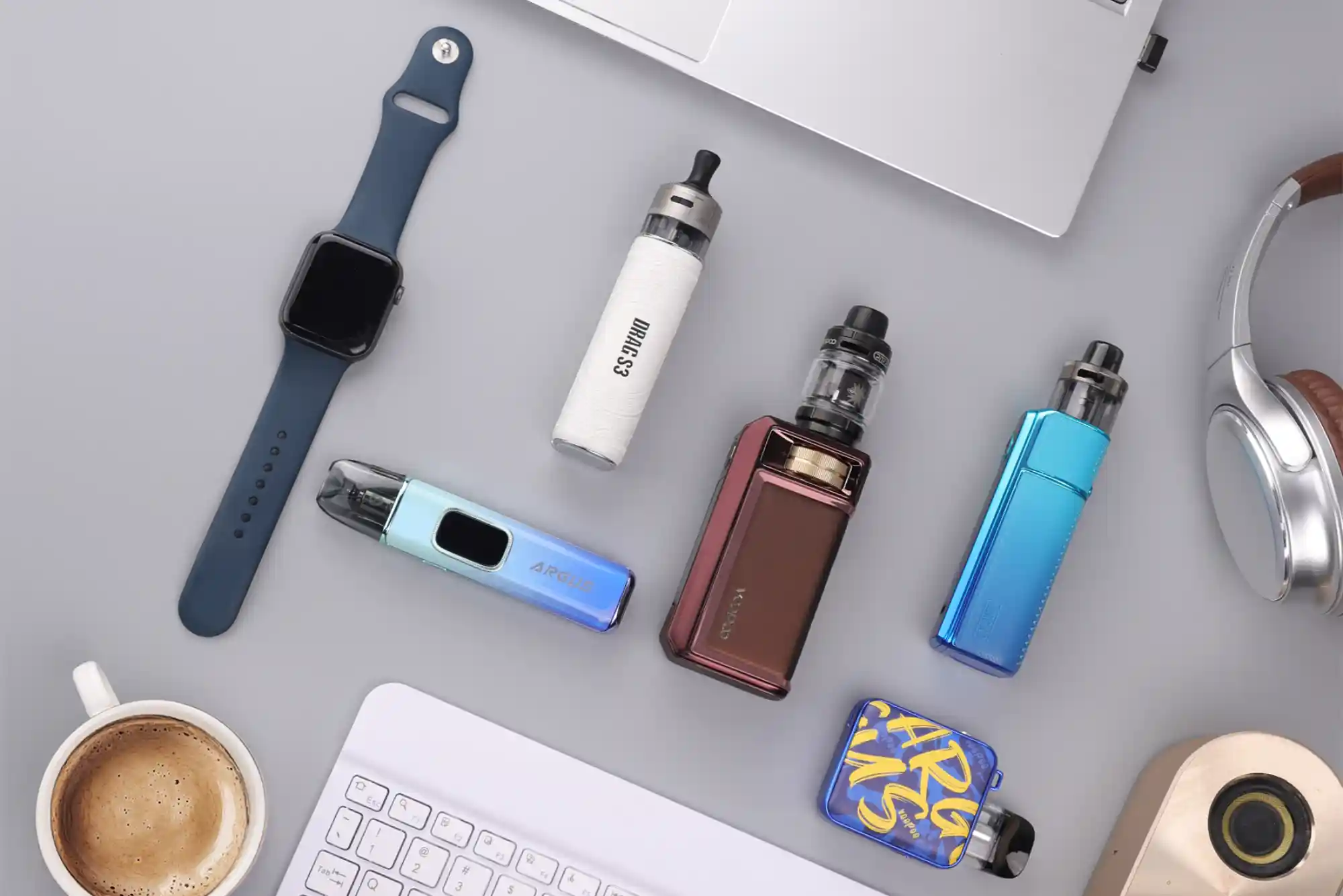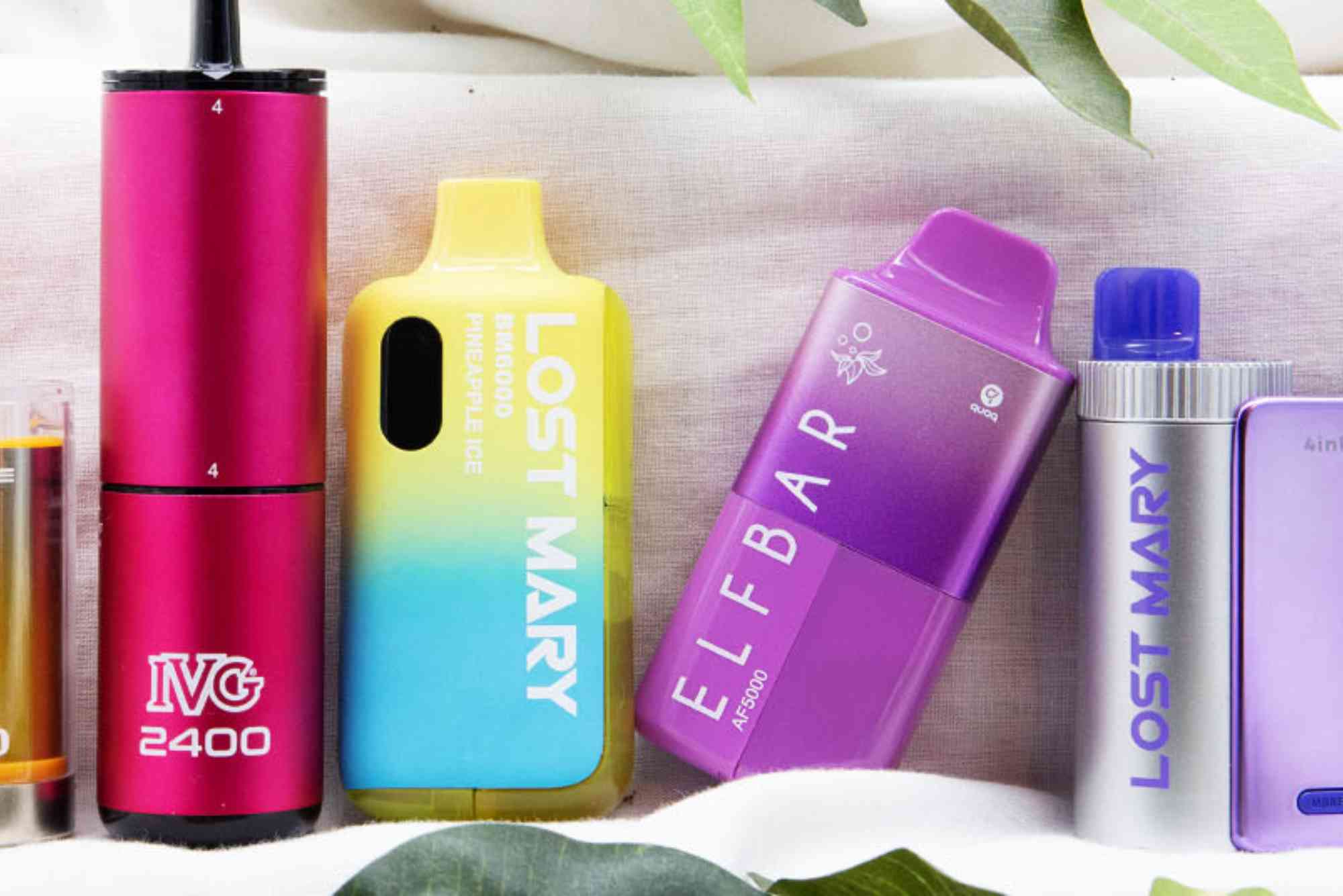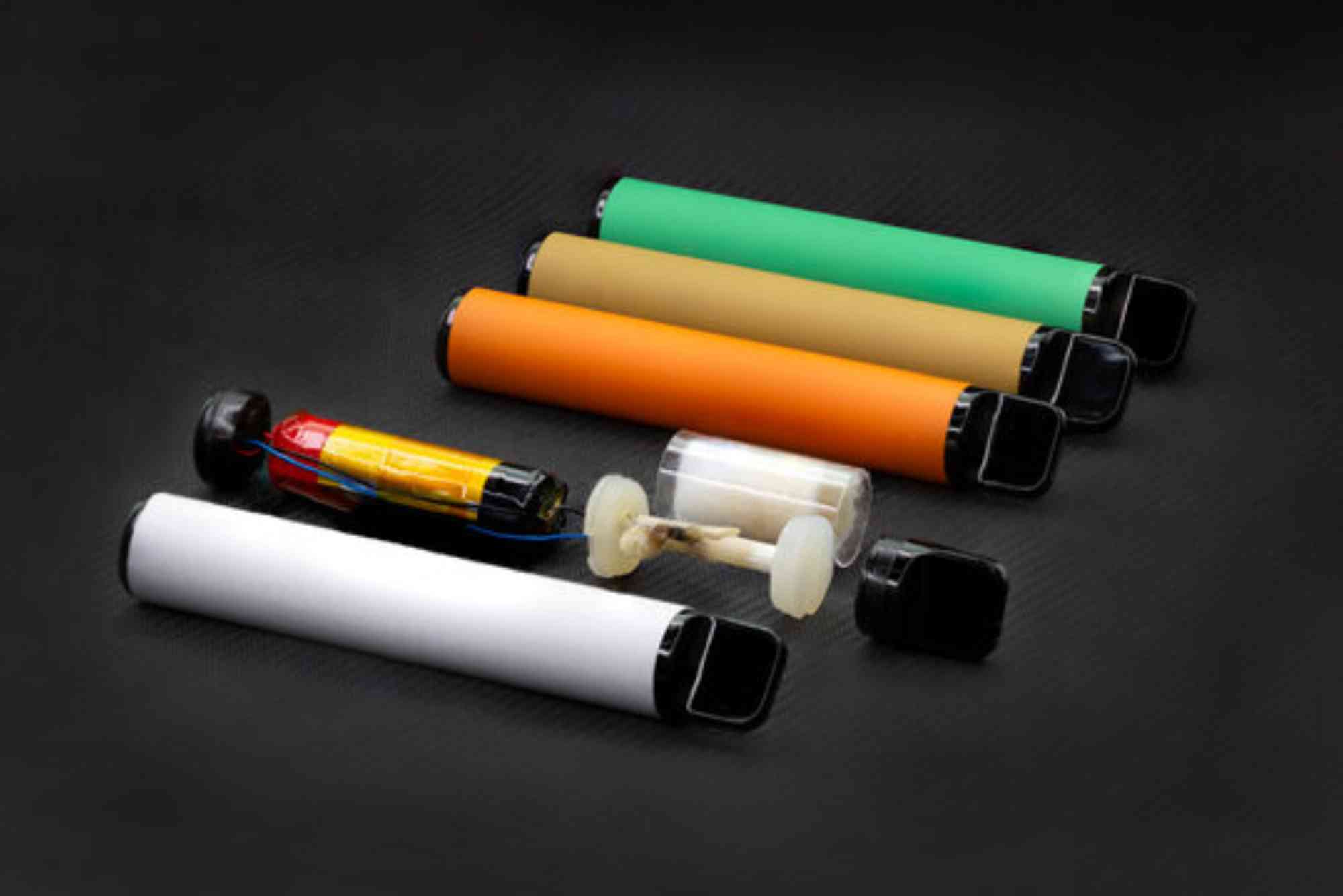
Understanding Utah vape laws 2021 is essential for anyone interested in how state regulation affects both public health and individual vaping rights. In 2021, Utah passed some of the most comprehensive vapor regulation policies in the United States. These laws didn’t just limit where and how vape products could be sold and used, they reshaped the vaping ecosystem in a way that continues to influence policy debates about harm reduction and youth safety today.
The term Utah vape laws 2021 began trending as adult vapers, retailers, and public health advocates tried to make sense of new restrictions on flavors, online sales, product labeling, and age‑related rules. These shifts reflect Utah’s unique approach toward vaping—balancing public health goals with the legal rights of adults who use ENDS (Electronic Nicotine Delivery Systems) for smoking cessation or harm reduction.
The Context and Need for Change in 2021
When Utah lawmakers reviewed vaping trends leading into 2021, the data raised clear concerns. Although cigarette smoking rates in the state were historically low, vaping among youth and young adults had been rising. For example, surveys showed that vape usage among Utah students was notable in 2021, even though it represented a decline from prior years.
Public health authorities pointed to these patterns as justification for stronger regulation. The state’s efforts were driven by two key priorities. First, to reduce access to vaping products among minors. Second, to ensure that the products on the market meet safety and labeling standards that protect consumers and discourage high‑risk use.
These changes were not isolated to Utah. Across the U.S., states were grappling with how to adapt laws in the wake of new nicotine devices, federal age changes, and public debates about youth addiction. But Utah chose one of the more stringent paths — merging indoor clean air policies with tobacco code and boosting retailer compliance requirements.
Core Components of Utah Vape Laws 2021
Enhanced Age Verification and Youth Prevention
In 2021, Utah enforced a strong age‑related framework that aligned with federal mandates but added its own enforcement mechanisms. Adults must be 21 or older to buy, possess, or use vaping products. This age standard extends to nicotine products more broadly and is part of Utah’s effort to prevent adolescents from developing lifelong addictions.

Retailers are required to verify age meticulously, and penalties for selling to underage individuals became more severe. These rules also limited where minors could enter vape or tobacco shops unless accompanied by an adult or performing a job‑related task.
By strengthening the age protections on both purchase and presence in retail environments, the state aimed to reduce youth access long before nicotine dependence becomes established.
Flavor Restrictions and Specialty Retail Rules
One of the most debated elements of Utah vape laws 2021 involved flavor restrictions. Flavors like fruit, candy, and dessert vape liquids were singled out because they appeal disproportionately to young people. While not outright banned for all adult users, many flavored products were relegated for sale only inside licensed specialty stores, distinct from convenience or general retail locations.
This regulatory choice sent a clear message: Utah wanted to make it harder for minors to obtain high‑appeal vaping products in everyday retail places. At the same time, adults who choose flavored vaping options as part of smoking cessation efforts still had legitimate places to purchase them with proper age oversight.
Retailers were also required to obtain specific licenses to sell tobacco, electronic cigarette, and nicotine products, and those licenses came with compliance obligations regarding packaging, labeling, and secure display.
Restricting Online Sales and Direct Shipping
Unlike some other states, Utah placed significant limits on online sales of vape and electronic nicotine products in 2021. While federal law governs cross‑state transactions broadly, the state added additional barriers by effectively prohibiting direct‑to‑consumer shipping unless stringent age‑verification processes were met and face‑to‑face sales protocols were followed. This dramatically reduced the convenience of online ordering.
For many adult vapers, this meant a shift toward local vape shops and specialty stores where proof of age and direct purchasing happens in person. For businesses, compliance with shipping restrictions meant adjusting sales operations or facing fines.
Inclusion in Indoor Clean Air Laws
Utah’s Indoor Clean Air Act was expanded to include vapor products alongside traditional smoking. This means vaping is prohibited in many indoor public places where smoking is not allowed, such as workplaces, restaurants, bars, and enclosed public spaces. It’s part of broader public health policy aimed at limiting secondhand aerosol exposure.
These indoor bans apply not just to combustible tobacco but extend fully to e‑cigarettes — a move that underscores Utah’s cautious stance toward vaping in shared environments.
How Utah Vape Laws 2021 Shaped Harm Reduction Strategies
The 2021 regulations prompted debate about harm reduction — the idea that vaping can serve as a less harmful alternative to smoking combustible cigarettes.
Balancing Public Health with Harm Reduction
Critics of the 2021 framework argued that flavor restrictions and sales limits inadvertently made it harder for adult smokers to transition to vaping, a tool many use to reduce harm compared to smoking traditional cigarettes. Public health advocates sometimes emphasize that overly restrictive vape policies can push users back toward cigarettes if alternatives are less accessible.
Conversely, the Utah legislature and health officials defended their strategy by pointing out the urgent need to protect youth and reduce nicotine uptake among minors. With youth vape use still a concern, policies often lean toward prevention before prioritizing harm reduction pathways for adults.
This tension continues to shape policy discussions around the country — how to create laws that protect young people while not penalizing adults seeking less harmful nicotine alternatives.
Implications for Retailers and Consumers
For vape shop owners and smokers who transitioned to vaping, 2021 was a pivotal year. Restrictions on flavor availability and online sales redirected much of the market into face‑to‑face specialty stores. While this strengthened oversight, it also meant higher compliance costs for businesses and potential inconvenience for consumers.
Greece vape laws – How It Shapes the Future of Harm Reduction Greece’s vaping regulations are shaping the nation’s approach to harm reduction. By setting clear rules on e-cigarette sales, advertising, and usage, the laws aim to protect youth while offering smokers safer alternatives. This balance may influence public health strategies, promoting vaping as a harm-reduction tool without encouraging nicotine initiation.
The Role of Legislation and Ongoing Policy Development
The state’s legislative record adjusted vape regulations beginning in 2021 and continuing in subsequent years. The effort builds on prior code changes and reflects the evolving understanding of vaping’s risks and benefits. For example, lawmakers have regularly debated nicotine content caps, flavor bans, and taxation as part of tobacco and vape product regulation. As part of these ongoing legislative trends, Utah continues to refine how vaping fits within broader public health goals.
Lawmakers and residents alike watch how these policies play out, with some advocating for stronger harm‑reduction support and others focused on youth protection.
If you’re looking for specific legislative language or updates on vaping regulation, reviewing the Utah State Legislature — 2021 vaping legislation can offer official context and detailed statutory language.
Looking Ahead
Utah vape laws 2021 established a regulatory framework that has had lasting implications for consumers, retailers, and public health advocates. These laws reinforced age limits, restricted flavors, tightened retailer compliance, and integrated vaping into clean air protections. While they have made vaping products less accessible in some ways, they also reflect Utah’s strong commitment to preventing youth nicotine addiction and ensuring public health safety.
Understanding these policies is crucial for anyone in Utah who vapes, sells vape products, or follows harm reduction debates. As vaping technology and usage patterns evolve, so too will the regulatory environment.
If you’re navigating these laws as a consumer or business owner, staying informed and prepared will help you adapt and advocate for balanced policies that protect health while respecting adult consumers’ choices.
FAQ — Utah Vape Laws
What did Utah vape laws change in 2021?
In 2021, Utah strengthened age requirements, restricted flavored vape sales primarily to specialty shops, tightened online sales restrictions, and included vaping in indoor clean air rules.
Are flavored e‑cigarettes banned in Utah?
Not fully banned for adults, but many flavored products can only be sold in licensed specialty tobacconist or vape retailers.
Can you order vape products online in Utah?
Online sales are heavily restricted and often require strict age verification, reducing the feasibility of direct shipping.
Does Utah treat vaping the same as smoking indoors?
Yes. Vaping is regulated under the same Indoor Clean Air Act rules as smoking in public buildings.
Why are these laws considered harm reduction policies?
They aim to protect youth and limit health risks from unregulated vaping, while still allowing adult access in controlled environments — balancing harm reduction with public safety.
Looking for the latest in vaping news, reviews, and products? Visit vapezone360.com for comprehensive guides, in-depth reviews, and all the information you need to stay up-to-date in the vaping world.
Related Reading: Tennessee Vape Laws 2021 – How It Shapes the Future of Harm Reduction
Related Reading: Vape Laws Dubai – How It Shapes the Future of Harm Reduction