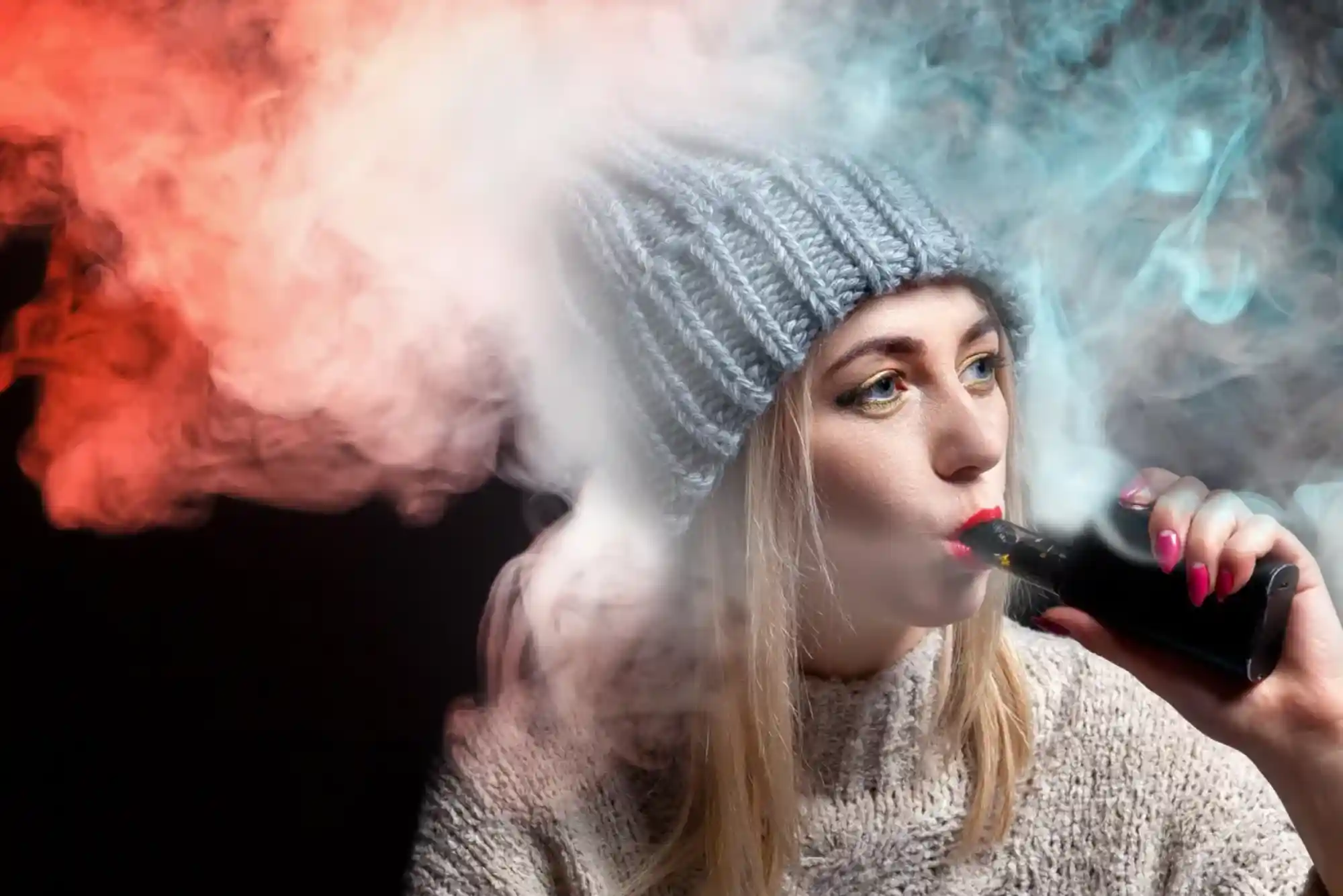
Vaping has grown in popularity over the last decade as many consider it a safer alternative to traditional smoking. However, with increasing regulations and public health concerns, many vapers are left wondering, are vapes going to be illegal? The uncertainty surrounding vaping policies has sparked debate among lawmakers, health experts, and consumers. Understanding the potential legal changes and their implications on public health is essential for anyone who uses or is considering using e-cigarettes.
Understanding the Current Legal Landscape for Vapes
The legality of vaping varies greatly from one country to another. Some governments have embraced vaping as a harm reduction tool, while others have imposed strict bans due to concerns over health risks and youth usage. In recent years, there has been growing scrutiny over the safety of vape products, including the chemicals in e-liquids and the devices themselves. Regulators are particularly concerned about marketing tactics that appeal to minors, which has led to stricter sales regulations and flavor bans in certain regions.
For vapers, staying informed about these regulations is crucial. Even in countries where vaping is legal, enforcement policies may differ between states or cities. This patchwork of rules can make it confusing to know whether vapes are fully permitted, partially restricted, or at risk of being banned. While there are no widespread bans in most parts of the world yet, several jurisdictions have indicated that tighter regulations could emerge in the coming years.
Public Health Concerns Surrounding Vaping
Public health authorities have long debated the benefits and risks of vaping. While many experts agree that e-cigarettes are less harmful than combustible tobacco, they are not without risks. Nicotine addiction remains a significant concern, particularly for younger users. Studies have shown that regular nicotine exposure can affect brain development in adolescents and increase the likelihood of transitioning to traditional cigarettes.
Beyond nicotine, the composition of vape liquids raises questions. Certain chemicals, including flavoring agents, can produce toxic byproducts when heated. Reports of lung injuries associated with vaping have heightened scrutiny and prompted public health campaigns warning of potential dangers. Even though the number of severe cases is relatively low compared to the overall population of vapers, these incidents fuel discussions about whether stricter laws or outright bans might be necessary to protect public health.
Are Vapes Going to Be Illegal? Analyzing the Trends
Predicting the future of vaping legislation is challenging, but several trends indicate that the industry could face tighter restrictions. Governments are increasingly adopting policies aimed at limiting youth access to e-cigarettes. Restrictions often target flavored products, high nicotine concentrations, and marketing channels that appeal to minors. While these regulations do not constitute a complete ban, they significantly impact the availability and appeal of vaping products.

Some countries have moved closer to banning e-cigarettes entirely. These decisions are typically motivated by public health data showing rising nicotine use among youth, concerns about long-term health risks, and pressure from anti-smoking advocacy groups. However, other governments emphasize harm reduction, encouraging adult smokers to switch to vaping instead of combustible tobacco. This divergence suggests that vaping may never be universally illegal, but its legality will continue to be shaped by local public health priorities.
What Vapers Should Know About Health Risks
Vapers need to be aware of the ongoing public health discussions around e-cigarettes. Understanding the risks and benefits can help individuals make informed decisions. Although vaping is generally considered less harmful than smoking traditional cigarettes, it is not completely safe. Nicotine exposure, respiratory effects, and the unknown long-term consequences of inhaling certain chemicals remain key concerns.
Public health organizations recommend using regulated products from reputable manufacturers. Avoiding black-market or unverified liquids reduces the risk of contamination and harmful additives. Staying educated on emerging research is also essential. New studies continue to explore the impact of vaping on cardiovascular health, lung function, and addiction patterns. Being proactive about health means knowing how to mitigate risks while navigating a potentially shifting legal landscape.
The Role of Marketing and Youth Access
Marketing plays a critical role in public health debates about vaping. Many countries have introduced regulations to prevent companies from targeting young audiences. Colorful packaging, social media campaigns, and flavored e-liquids have been criticized for attracting teenagers. Lawmakers often justify stricter regulations or bans by citing the need to protect vulnerable populations from nicotine addiction.
Parents, educators, and public health officials emphasize education and awareness as essential tools. Informing young people about the risks of nicotine and setting clear boundaries around age restrictions are strategies that work alongside regulatory measures. For adult vapers, understanding these dynamics is important, especially if legislation tightens around marketing, product availability, or online sales.
Potential Future Scenarios for Vaping Legislation
While the future remains uncertain, several possible scenarios are emerging. In some regions, governments may implement more stringent age verification, flavor restrictions, or limits on nicotine strength rather than outright bans. This approach allows adult smokers to access e-cigarettes while reducing youth uptake.
In other countries, health authorities may push for complete bans on certain products or all e-cigarettes. These measures are often justified by public health studies or incidents of vaping-related illnesses. Vapers in these regions would need to either transition to alternative nicotine replacement methods or quit entirely.
Global health organizations continue to monitor the situation closely, providing guidance to policymakers. Their research emphasizes balancing harm reduction for adult smokers with minimizing risks for youth. This nuanced approach shapes the ongoing debate and highlights why vapers need to stay informed.
How Vapers Can Stay Safe and Compliant
Remaining informed is the most effective way to navigate uncertainty. Following government announcements, monitoring public health reports, and purchasing from regulated retailers ensures compliance and safety. Vapers should also pay attention to product labeling, nicotine strength, and the source of e-liquids to minimize potential risks.
Another key factor is moderation. While e-cigarettes are less harmful than traditional smoking, using them responsibly reduces exposure to potentially toxic substances. Engaging with vaping communities, reading peer-reviewed studies, and consulting healthcare professionals can provide guidance for safer use. Proactive vapers are better prepared for any legal or public health changes that may arise.
The question, are vapes going to be illegal, does not have a simple yes or no answer. While there is growing scrutiny and regulation, outright bans remain limited to specific regions. Public health concerns, especially around youth access and chemical safety, will continue to influence legislation. Vapers need to stay informed, use products responsibly, and understand the risks to make educated choices.
For anyone invested in vaping as a harm reduction method or lifestyle choice, knowledge is your strongest tool. Monitoring legal updates, adhering to regulations, and prioritizing health ensures that you remain compliant and safe. Vaping is evolving, and staying ahead of public health debates empowers users to make confident, informed decisions.
If you are a vaper, it is essential to educate yourself, follow regulations, and prioritize your health. Staying informed ensures you are prepared for any legal changes while protecting your well-being.
FAQ
Are vapes illegal in the United States?
Currently, e-cigarettes are legal for adults over 21, but certain flavored products are restricted in some states.
Can vaping harm your lungs?
Yes, while generally less harmful than smoking, vaping can cause respiratory irritation and, in rare cases, severe lung injury.
Will all flavors be banned soon?
Regulations vary. Some regions restrict flavors that appeal to youth, but not all flavors are banned universally.
Is vaping safer than smoking cigarettes?
Research indicates vaping is less harmful than traditional smoking, but it is not risk-free, especially concerning nicotine addiction.
Do public health experts support vaping?
Many support it as a harm reduction tool for adult smokers but caution against youth use and unregulated products.