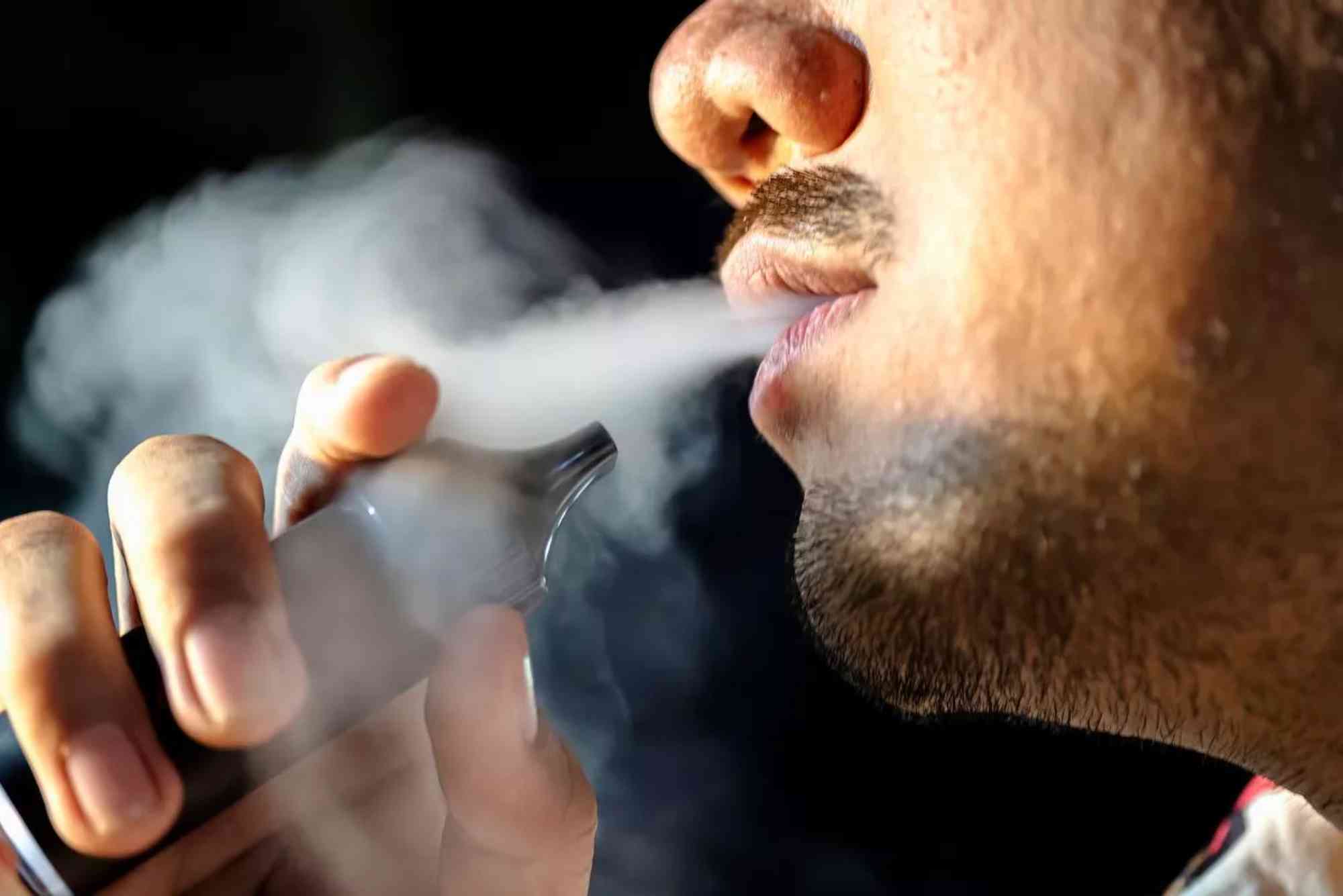
Vaping Should Be Banned and Public Health: What Vapers Should Know
In recent years, vaping has been promoted as a modern alternative to smoking. Many people turned to e-cigarettes believing they were safer than traditional tobacco products. However, health experts, governments, and researchers have raised serious concerns about the hidden dangers of vaping. Growing evidence suggests that vaping should be banned due to its long-term risks and potential to undermine public health efforts. While some argue that it is a lesser evil compared to cigarettes, studies now show that the consequences may be far more alarming than initially thought. For vapers, understanding these dangers is critical, not only for personal well-being but also for making informed decisions about public health.
Why Vaping Should Be Banned
The debate over vaping is not only about personal choice but about collective health. Supporters of vaping often claim it reduces harm compared to cigarettes, but research shows otherwise. The substances inhaled through e-cigarettes, while sometimes nicotine-free, often contain chemicals harmful to the lungs and cardiovascular system. Additionally, vaping has become a gateway for young people, drawing them into nicotine addiction at alarming rates.
The Hidden Health Risks
Most e-cigarette products are marketed as safe alternatives. Yet, studies reveal they can cause lung injuries, respiratory issues, and long-term damage that resembles conditions associated with smoking. Chemicals such as diacetyl, formaldehyde, and heavy metals have been detected in vape aerosols. These toxins are directly inhaled, damaging delicate lung tissues. Even nicotine-free vapes may carry risks since the heating process creates new compounds that harm the body.
Youth Addiction and Gateway Effect
One of the strongest arguments for why vaping should be banned is its role in promoting nicotine addiction among teenagers. Unlike cigarettes, vapes are marketed in sweet flavors like mango, bubblegum, and mint, making them appealing to younger audiences. Surveys show a dramatic increase in youth vaping, which can reintroduce nicotine dependence into generations that had begun to move away from smoking. Early exposure to nicotine alters brain development, leading to long-term dependency and increased risks of turning to tobacco products.
Secondhand Vaping and Public Exposure
Much like traditional smoking, vaping poses risks not only to the user but also to those nearby. Secondhand aerosol contains nicotine, ultrafine particles, and other harmful chemicals. Public health experts warn that exposure to these particles may contribute to respiratory issues in non-users, particularly children and pregnant women. This makes vaping a public health issue, not just a personal one.
The Impact on Public Health Systems
If vaping continues unchecked, health systems may face growing burdens similar to those caused by cigarette smoking decades ago.
Rising Healthcare Costs
Treating lung diseases, heart conditions, and nicotine-related disorders is costly. Vaping-related illnesses are already appearing in hospitals, with cases of lung injury requiring intensive care. The financial strain on healthcare systems will escalate if vaping becomes widespread.
Undermining Tobacco Control Efforts
For years, public health campaigns successfully reduced smoking rates. However, vaping threatens to undo much of this progress. By normalizing the act of inhaling substances, it reintroduces harmful habits and weakens anti-tobacco messaging. Young people who would not otherwise smoke are now picking up vaping devices, reversing decades of progress.
Misleading Marketing and False Safety Claims
The vaping industry often markets its products as “safer” alternatives. But without long-term studies, these claims are misleading at best. Public trust is eroded when companies prioritize profits over safety. This creates confusion, leaving consumers unsure whether vaping is truly safe, when in fact evidence suggests it is not.
What Vapers Should Know About Health Risks
For current vapers, it is important to understand the real dangers before making decisions about their health.
Respiratory Problems
Vaping has been linked to chronic bronchitis symptoms, persistent coughing, and difficulty breathing. In severe cases, conditions such as EVALI (E-cigarette or Vaping Associated Lung Injury) have proven life-threatening. These risks mirror the respiratory harms once underestimated with cigarette smoking.
Cardiovascular Strain
Nicotine, whether from cigarettes or vapes, constricts blood vessels, raises blood pressure, and increases heart rate. Studies have shown that vaping can contribute to long-term heart disease and stroke, particularly among regular users.
Mental Health Impacts
Nicotine dependency affects the brain’s reward system, making quitting extremely difficult. Moreover, addiction can worsen anxiety and depression. This cycle is particularly concerning among young vapers, who may be vulnerable to both mental health struggles and lifelong dependency.
Global Calls for a Ban
Many countries are already taking action by restricting or banning vaping products. Nations such as Australia, India, and Brazil have introduced strict regulations, citing the need to protect public health. In some places, penalties for selling or possessing e-cigarettes are severe. These steps reflect growing recognition that vaping should be banned to prevent another public health crisis similar to the one caused by tobacco.
Lessons from Tobacco Regulation
Decades of tobacco-related illness taught public health officials that acting late costs millions of lives. Governments are now more proactive, moving to prevent a repeat with vaping. Restricting these products today may save countless lives tomorrow.
Public Awareness Campaigns
In addition to bans, education campaigns are critical. Informing the public, especially youth, about the risks of vaping helps reduce uptake. By highlighting the addictive nature of nicotine and the health harms associated with aerosols, these initiatives aim to discourage usage.
Common Myths About Vaping Debunked
Many misconceptions fuel the popularity of vaping. Addressing these myths is essential for informed decision-making.
Myth: Vaping is Safe Because It Has No Tobacco
While e-cigarettes may not contain tobacco, they still contain nicotine and other harmful chemicals. The absence of tobacco does not make them harmless.
Myth: Vaping Helps Smokers Quit
Some people believe vaping helps them quit smoking. However, research suggests many vapers continue to smoke alongside vaping, known as “dual use.” This exposes them to even more risks instead of reducing harm.
Myth: Flavored Vapes Are Just Fun, Not Harmful
Flavorings may make vaping more enjoyable, but they often contain chemicals that irritate the lungs. These additives are not designed to be inhaled and can cause serious damage over time.
The evidence is mounting that vaping should be banned to protect public health. Despite its image as a safer alternative, vaping exposes users to toxic chemicals, fosters addiction among youth, and undermines tobacco control efforts. The long-term costs to health systems and society are too great to ignore. For vapers, the risks are real, ranging from lung damage to heart disease and mental health struggles. As more countries move toward bans, individuals must take responsibility for their well-being. Now is the time to quit, seek healthier alternatives, and support policies that prioritize public health over corporate profits. If you or someone you know vapes, take the first step today toward quitting. Consult a healthcare professional, explore cessation resources, and advocate for stronger public health protections. By acting now, you safeguard not only your health but also the well-being of future generations.
Frequently Asked Questions
Why should vaping be banned if smoking is still legal?
Cigarette smoking is already recognized as deadly, but society is still dealing with its health burden. Allowing another harmful habit to grow unchecked would multiply the damage. Banning vaping is an opportunity to prevent repeating the same mistake.
Is vaping worse than smoking?
While vaping may lack some of the toxins found in cigarettes, it introduces new risks that are equally concerning. The absence of long-term research means the full scope of harm is not yet understood, but early signs are alarming.
Can secondhand vapor harm others?
Yes, secondhand vapor contains nicotine and toxic particles. Regular exposure may cause respiratory issues in children and adults, similar to secondhand smoke.
Do all vapes contain nicotine?
Not all, but even nicotine-free vapes can produce harmful chemicals when the liquid is heated. Users may still be exposed to toxins that harm the lungs and heart.
How can vapers quit safely?
The best approach is a structured quit plan supported by healthcare professionals. Options include nicotine replacement therapy, behavioral counseling, and support groups. Many resources exist to help vapers transition to a healthier lifestyle.