Vaping by Law at Work and Public Health: What Vapers Should Know
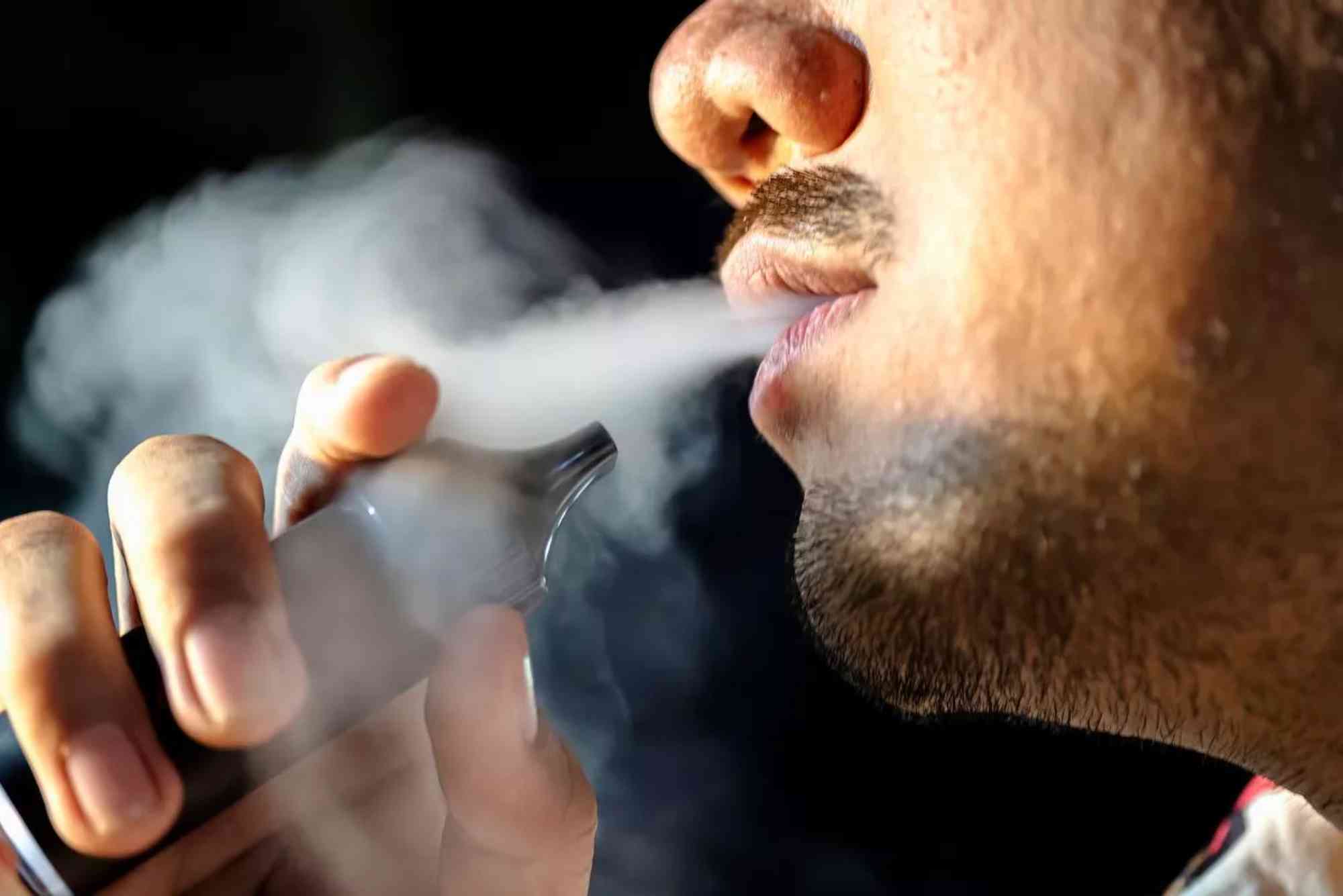
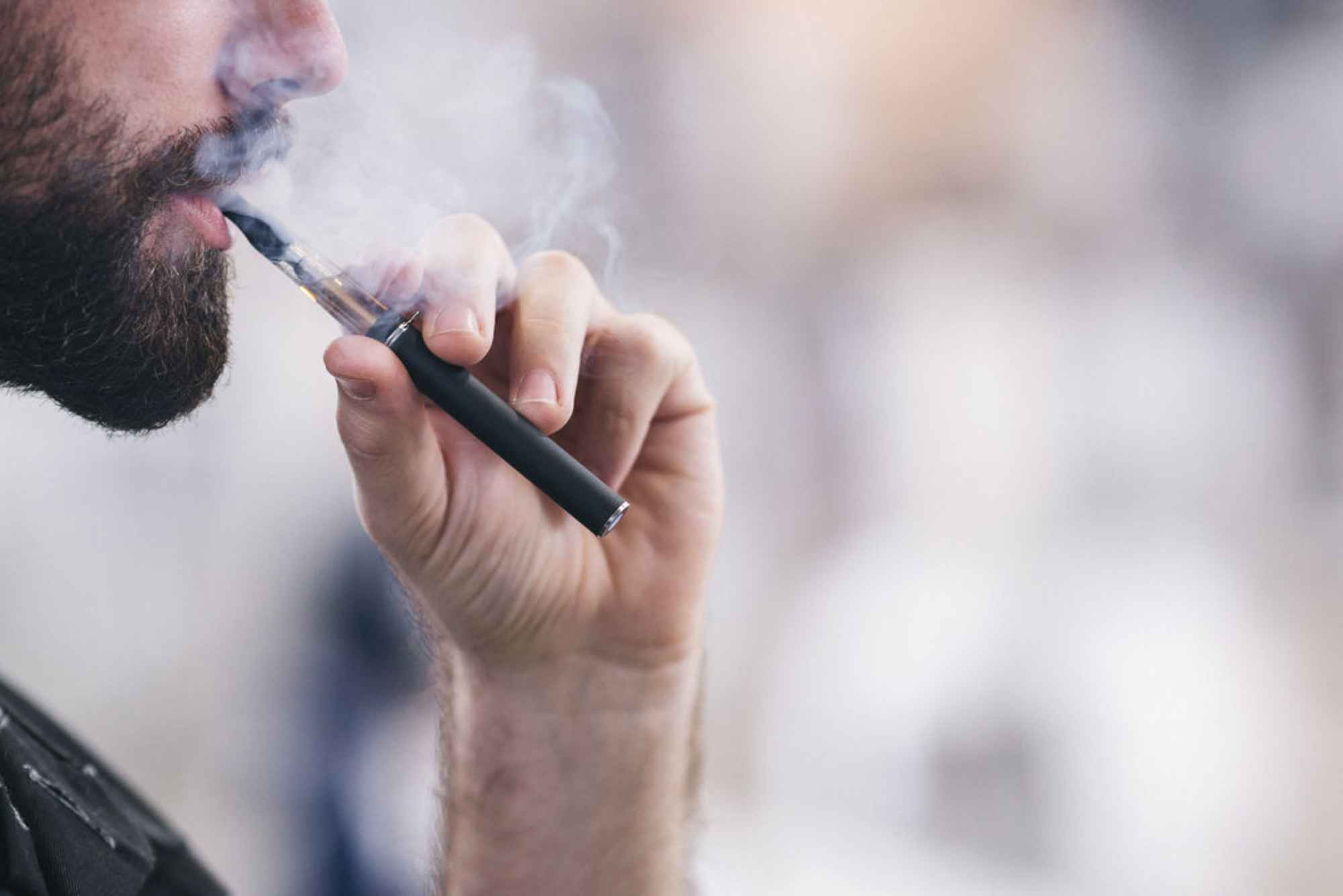
Vaping has become a global trend in recent years, often seen as a safer alternative to smoking traditional cigarettes. However, while many people enjoy e-cigarettes as part of their lifestyle, the workplace environment raises serious questions. Vaping by law at work is not just a matter of personal choice—it involves health regulations, company policies, and public health considerations. Employees who vape must understand the legal framework and health implications before assuming that vaping at work is acceptable.
Understanding Vaping by Law at Work
Workplace vaping is regulated differently across countries and even states. Some regions classify vaping in the same category as smoking, enforcing bans in enclosed public spaces and workplaces. Others allow vaping but leave restrictions up to employers. The central issue with vaping by law at work is that it exists in a grey area. Unlike smoking, which is universally restricted in offices, vaping laws are less consistent. This inconsistency creates confusion for both employees and employers. For example, in some U.S. states, vaping is prohibited in all indoor workplaces, while others only regulate it in schools and healthcare facilities. In the United Kingdom, vaping is not legally banned in offices, but most employers enforce their own rules. In Australia, laws are more restrictive, treating vaping almost identically to smoking. In every case, employees should know that their workplace rights are tied not only to national law but also to company-specific policies.
Public Health Considerations
Beyond the legal framework, public health plays a critical role in shaping attitudes toward vaping at work. While vaping may contain fewer harmful chemicals compared to smoking, it still exposes users to nicotine and other substances. The World Health Organization and public health authorities warn that secondhand vapor is not harmless. In a workplace, where employees share indoor air for long hours, even small amounts of exposure may raise concerns. For colleagues who are pregnant, have respiratory issues, or prefer a smoke-free environment, exposure to vapor can be uncomfortable or harmful. This is why many employers take a cautious approach by banning vaping indoors, even if the law does not explicitly require it. Public health policies aim to balance individual freedom with collective well-being, and this principle applies strongly in workplaces.
Employer Responsibilities and Policies
Employers are under pressure to create safe and inclusive working environments. When it comes to vaping by law at work, companies must decide how to handle the issue within their policies. Some organizations create designated vaping areas outside the building, treating e-cigarettes like traditional tobacco products. Others prohibit vaping entirely on company premises. The key reason behind these restrictions is to prevent workplace disputes, protect employee health, and maintain professionalism. Imagine walking into a meeting room where someone is blowing vapor clouds—it disrupts focus and sets an unprofessional tone. From an HR perspective, vaping rules need to be clear and consistent. Employers who fail to regulate vaping risk employee complaints, possible legal disputes, and reputational harm.
Employee Rights and Responsibilities
For employees, understanding vaping by law at work means knowing both the legal framework and their obligations within company rules. While vaping is often marketed as a personal lifestyle choice, workplaces prioritize collective interests over individual habits. Employees should check their contracts, handbooks, or HR guidelines for vaping policies. Respecting these rules shows professionalism and avoids conflict with colleagues. Additionally, being aware of public health risks and showing courtesy to non-vaping coworkers builds a healthier workplace culture. If vaping is allowed in designated areas, employees should restrict usage to those spaces. If vaping is banned, they must comply even if they disagree with the rule. Legal protection rarely applies to vapers in workplace disputes, meaning compliance is usually the only option.
Health and Safety Regulations
Workplace safety is not just about physical hazards like machinery or chemicals; it also includes air quality. Occupational health regulations require employers to maintain a safe environment. Since vaping produces aerosols, some occupational health agencies treat it as a potential workplace hazard. Even if the science is still evolving, precautionary principles encourage employers to act conservatively. For employees, this means understanding that vaping by law at work may be restricted under broader safety regulations, even if vaping itself is not directly addressed in legislation.
The Evolving Legal Landscape
One reason vaping by law at work remains confusing is that legislation is evolving quickly. Governments around the world are reassessing vaping policies as more research emerges on its long-term effects. For instance, several European countries have recently extended smoke-free laws to include e-cigarettes in public and workplace settings. In the U.S., the trend is toward more restrictions, especially in industries where employee safety is critical. Employers and employees must keep updated with legal developments to avoid accidental violations. What is allowed today may be restricted tomorrow, and ignorance of the law is never a defense.
Practical Tips for Vapers at Work
Vapers who wish to maintain good standing in the workplace should approach the issue with sensitivity. The first step is to check official workplace rules. If none exist, employees can politely ask HR for clarification. Second, vapers should avoid assuming that vaping indoors is acceptable, even in casual office settings. Third, respecting colleagues who may find vaping unpleasant or harmful goes a long way in creating harmony. Some employees even choose to limit their vaping to breaks outside the building to avoid workplace tensions. These small steps reflect both legal awareness and professional courtesy.
The Role of Workplace Culture
Workplace culture strongly influences how vaping is perceived. In some industries, especially creative or technology-focused companies, employees may find vaping more accepted. In contrast, in healthcare, education, and government offices, vaping is strictly discouraged. While workplace culture does not replace the law, it shapes how policies are enforced and how employees react. A culture of respect, communication, and awareness ensures that vaping does not become a source of division among staff. Employees should be mindful that their personal habits reflect on the company’s image, especially in client-facing roles.
Public Health Perspective for Employers
From a public health standpoint, employers are encouraged to go beyond minimal legal compliance. Many organizations adopt wellness programs, smoke-free policies, and educational campaigns to discourage both smoking and vaping. These initiatives are designed to improve employee health, reduce sick leave, and increase productivity. Employers who take proactive steps are often seen as socially responsible, which benefits company reputation. For vapers, this means workplace restrictions are not just about rules but also about promoting collective health. Understanding this perspective can help employees accept policies more positively.
Global Differences in Workplace Vaping Laws
One of the most fascinating aspects of vaping by law at work is how much it varies worldwide. In the U.S., regulations differ state by state, creating patchwork enforcement. In Canada, vaping is largely restricted indoors, following the same rules as smoking. In the UK, flexibility exists, but most companies impose strict internal bans. In Asia, some countries like Japan restrict nicotine-containing e-liquids altogether, indirectly limiting workplace vaping. In the Middle East, vaping laws are stricter in countries like Qatar, while others are more relaxed. These differences show why employees working in international companies should check both local laws and company-specific policies.
Future of Vaping at Work
The future of vaping by law at work is likely to bring stricter regulations. As more evidence emerges on health risks, governments may align vaping laws with smoking bans. Employers, anticipating legal changes, are already introducing policies that limit vaping on company premises. Employees should expect tighter rules in the coming years, particularly in indoor workplaces. This trend aligns with broader global health initiatives to reduce nicotine addiction and promote healthier lifestyles. Vapers who adapt early will find it easier to comply with new standards.
Conclusion and Call to Action
Vaping by law at work is not just about individual freedom but about balancing personal choice with workplace safety and public health. Laws vary across regions, but most employers adopt clear rules to protect staff and maintain professionalism. Employees who vape should stay informed, respect policies, and prioritize health considerations. By doing so, they avoid conflict, safeguard their careers, and contribute to a healthier workplace environment. As laws continue to evolve, the best approach for vapers is to remain flexible, responsible, and considerate. If you are a vaper, take a moment today to review your workplace rules, educate yourself on local laws, and make informed choices that respect both your needs and those of your colleagues.
Frequently Asked Questions
Is vaping allowed in workplaces by law?
It depends on the country or state. Some places ban it entirely indoors, while others leave it to employers.
Can an employer ban vaping at work even if the law allows it?
Yes, employers can enforce stricter rules than national laws to protect workplace health and culture.
Does secondhand vapor affect coworkers?
Yes, while less harmful than smoke, secondhand vapor still contains nicotine and chemicals that may affect others.
What should I do if my workplace has no vaping policy?
Ask HR for clarification and avoid vaping indoors until rules are clearly established.
Will vaping laws become stricter in the future?
Most experts believe that governments will continue tightening vaping regulations, especially in workplaces and public areas.