Vape Laws Ireland and Public Health: What Vapers Should Know
Vaping has become a popular alternative to smoking in Ireland. With rising numbers of people switching to e-cigarettes, the Irish government has tightened regulations to protect public health. Understanding vape laws Ireland is essential for anyone who vapes, imports, or sells vaping products. Whether you are a casual user or a retailer, knowing these rules helps you avoid fines, ensures safety, and supports informed decisions about health. It covers sales restrictions, public usage rules, advertising bans, and how Ireland aligns with European Union tobacco directives. By the end, you will clearly understand how the law affects you and what changes might come in the near future.
Vape Laws Ireland: The Legal Framework
Ireland regulates vaping under both national law and the European Union’s Tobacco Products Directive (TPD). This means that e-cigarettes and e-liquids are subject to strict safety, labeling, and marketing standards. The Irish government views vaping as less harmful than smoking, but not risk-free, and has created laws to balance harm reduction with public protection.
Age Restrictions and Sales Rules
One of the key rules in vape laws Ireland is age restriction. Since December 2023, it is illegal to sell e-cigarettes or vaping products to anyone under 18. Retailers must verify age, whether selling online or in physical shops. This aligns vaping laws with tobacco and alcohol sales, aiming to reduce youth access.
Shops that ignore this law risk heavy fines and license suspension. Parents and schools have also been encouraged to raise awareness about vaping risks among teenagers.
E-Liquid and Nicotine Limits
Ireland follows the EU’s TPD regulations regarding nicotine strength and e-liquid bottles. The maximum nicotine concentration allowed is 20 mg/ml, and e-liquid bottles cannot exceed 10 ml in size if they contain nicotine. Larger bottles are available only for nicotine-free e-liquids.
Additionally, refillable vape tanks and cartridges are restricted to a maximum capacity of 2 ml. This prevents excessive nicotine intake and limits the risk of poisoning, particularly among inexperienced users.
Packaging and Labeling Rules
Vaping products in Ireland must have child-resistant and tamper-proof packaging. Labels must clearly display:
- Nicotine content and strength
- Health warnings covering 30% of the packaging
- A list of ingredients
- Manufacturer details
This ensures transparency and safety for consumers. Misleading packaging, such as suggesting that vaping is completely safe or “organic,” is prohibited.
Advertising Restrictions
Advertising is another area heavily regulated by vape laws Ireland. Companies cannot market vaping products in a way that targets young people or glamorizes vaping. TV, radio, print, and digital advertising are restricted, particularly if they reach audiences under 18. Sponsorship of events, especially those aimed at youth, is also banned.
Retailers may still provide factual product information in stores or on websites, but promotional tactics like discounts, free samples, and giveaways are limited.
Public Use of Vapes
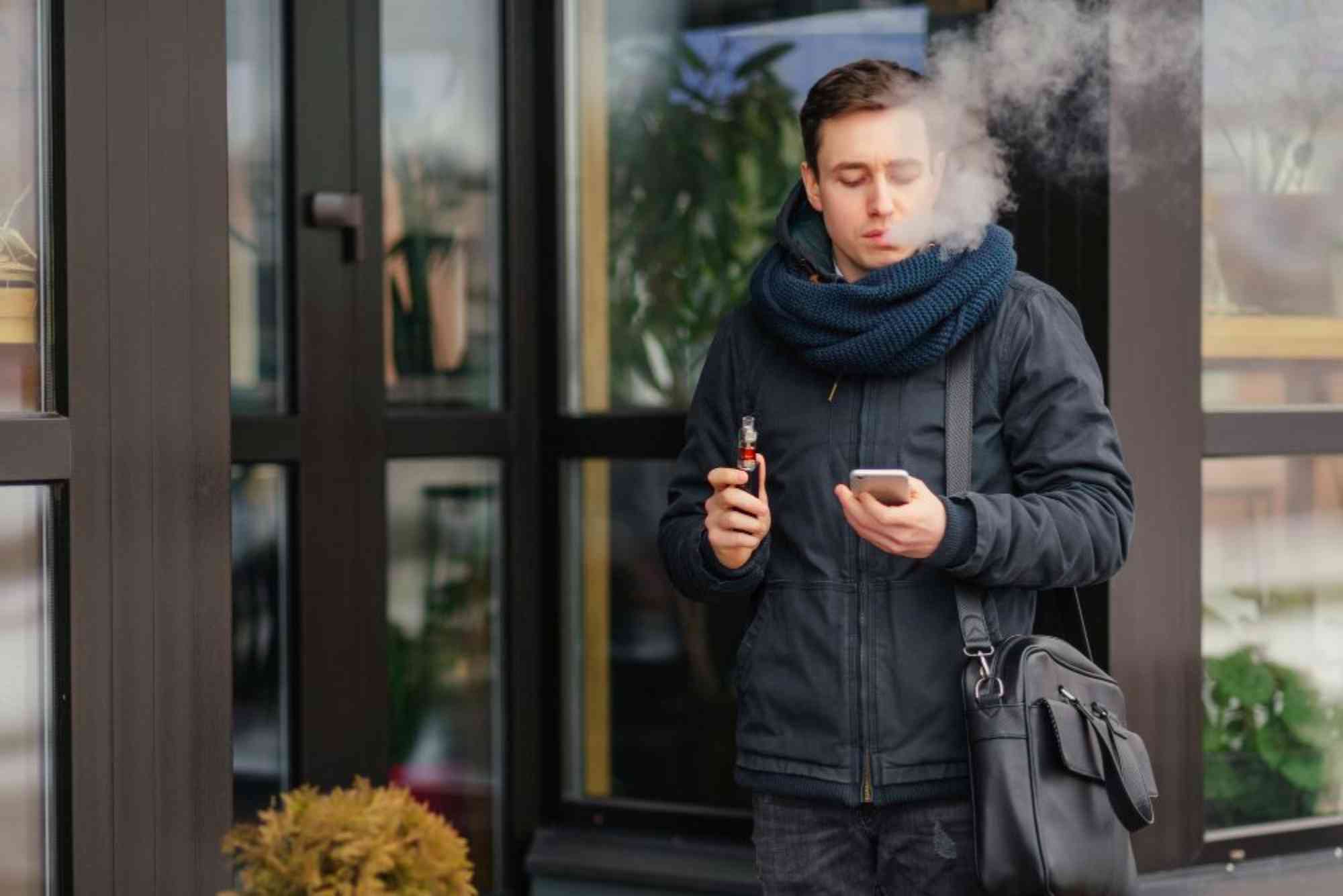
Unlike traditional cigarettes, vaping is not completely banned in public spaces. However, many institutions such as schools, hospitals, offices, and restaurants have introduced their own vape-free policies. Employers often include vaping in workplace smoking bans.
The government has not implemented a nationwide public vaping ban, but local authorities and private businesses retain the right to prohibit usage on their premises. Vapers should always check signs or ask before using e-cigarettes in public.
Vape Laws Ireland and Public Health
The debate on vaping’s role in public health remains active in Ireland. Supporters argue it helps smokers quit traditional cigarettes, while critics worry about long-term health effects and youth addiction. Ireland’s policies attempt to strike a balance between harm reduction and prevention.
Vaping as a Smoking Cessation Tool
Several Irish health bodies, including the Health Service Executive (HSE), recognize vaping as less harmful than smoking. Studies show that e-cigarettes expose users to fewer toxic chemicals than traditional cigarettes. Many smokers have successfully quit tobacco by switching to vaping, which reduces risks of lung cancer, heart disease, and respiratory problems.
Concerns About Youth Vaping
Despite potential benefits for adult smokers, Ireland has seen a rise in teenage vaping. Flavored e-liquids, sleek device designs, and peer influence have contributed to this trend. Public health officials warn that nicotine addiction can harm brain development in adolescents.
This concern was one of the driving forces behind the 2023 under-18 sales ban, which brought Ireland in line with other European countries.
Secondhand Vapor Risks
The health effects of secondhand vapor remain under study. Unlike cigarette smoke, vapor does not contain tar or carbon monoxide. However, it may still contain nicotine and other chemicals, raising concerns for vulnerable groups such as children, pregnant women, and people with respiratory conditions.
Ireland’s cautious approach allows vaping but encourages awareness of potential risks, particularly in enclosed public spaces.
Ireland’s Tobacco-Free 2025 Goal
Ireland has an ambitious public health strategy known as Tobacco-Free Ireland 2025, which aims to reduce smoking prevalence to below 5% by 2025. Vaping is part of the conversation, as it offers smokers an alternative pathway to quit.
However, the government emphasizes that vaping should not become a new widespread habit. The ultimate goal is a healthier population with fewer nicotine dependencies.
How Vape Laws Ireland Affect Vapers
For everyday vapers, the current laws create a clear framework of responsibility.
- You must be 18 or older to purchase vaping products.
- Expect limits on nicotine strength and e-liquid sizes.
- Be mindful of packaging warnings and usage restrictions.
- Avoid vaping in workplaces or restaurants unless permitted.
- Do not expect discounts or free giveaways, as promotions are limited.
These rules aim to protect both consumers and the wider community.
The Future of Vape Laws Ireland
Ireland’s vape laws are still evolving. Policymakers continue to monitor vaping trends, youth access, and emerging health data. Some potential future changes include:
- Stricter rules on flavored e-liquids to reduce youth appeal
- Expansion of smoke-free zones to include vaping
- Stronger penalties for retailers who break sales restrictions
- Further alignment with EU tobacco regulation updates
Public consultations and scientific evidence will play key roles in shaping these developments.
Understanding vape laws Ireland is essential for both residents and visitors. The rules focus on protecting young people, reducing health risks, and supporting Ireland’s public health goals. While vaping remains legal, it is regulated under strict safety, packaging, and advertising guidelines. For vapers, staying informed about these laws helps you enjoy vaping responsibly while respecting Ireland’s health policies. As the government continues to monitor the industry, new rules may appear in the future.
If you are considering switching from smoking to vaping, always follow official health advice and purchase from trusted retailers. Stay updated on changes in legislation, and remember: vaping should be a stepping stone toward a healthier, smoke-free lifestyle. Are you a smoker looking to quit or a vaper wanting to stay informed? Keep up with the latest updates on vape laws Ireland, and make healthier choices today.
Frequently Asked Questions
Can you buy vapes at 16 in Ireland?
No. Since December 2023, the minimum age for buying vaping products in Ireland is 18.
Are flavored vapes legal in Ireland?
Yes, flavored vapes are still legal, but future restrictions may target flavors that appeal to teenagers.
Can you vape indoors in Ireland?
There is no nationwide ban, but many workplaces, restaurants, and public buildings prohibit vaping. Always check local policies.
What is the nicotine limit in Ireland?
The maximum allowed nicotine concentration is 20 mg/ml, with e-liquid bottles limited to 10 ml.
Are disposable vapes banned in Ireland?
No, disposable vapes are not banned, but they must meet EU safety and labeling standards. Environmental concerns may influence future regulations.
Can tourists bring vapes into Ireland?
Yes, tourists can bring personal vaping devices and e-liquids, as long as they meet EU standards. However, travelers should respect local rules on vaping in public.