Introduction
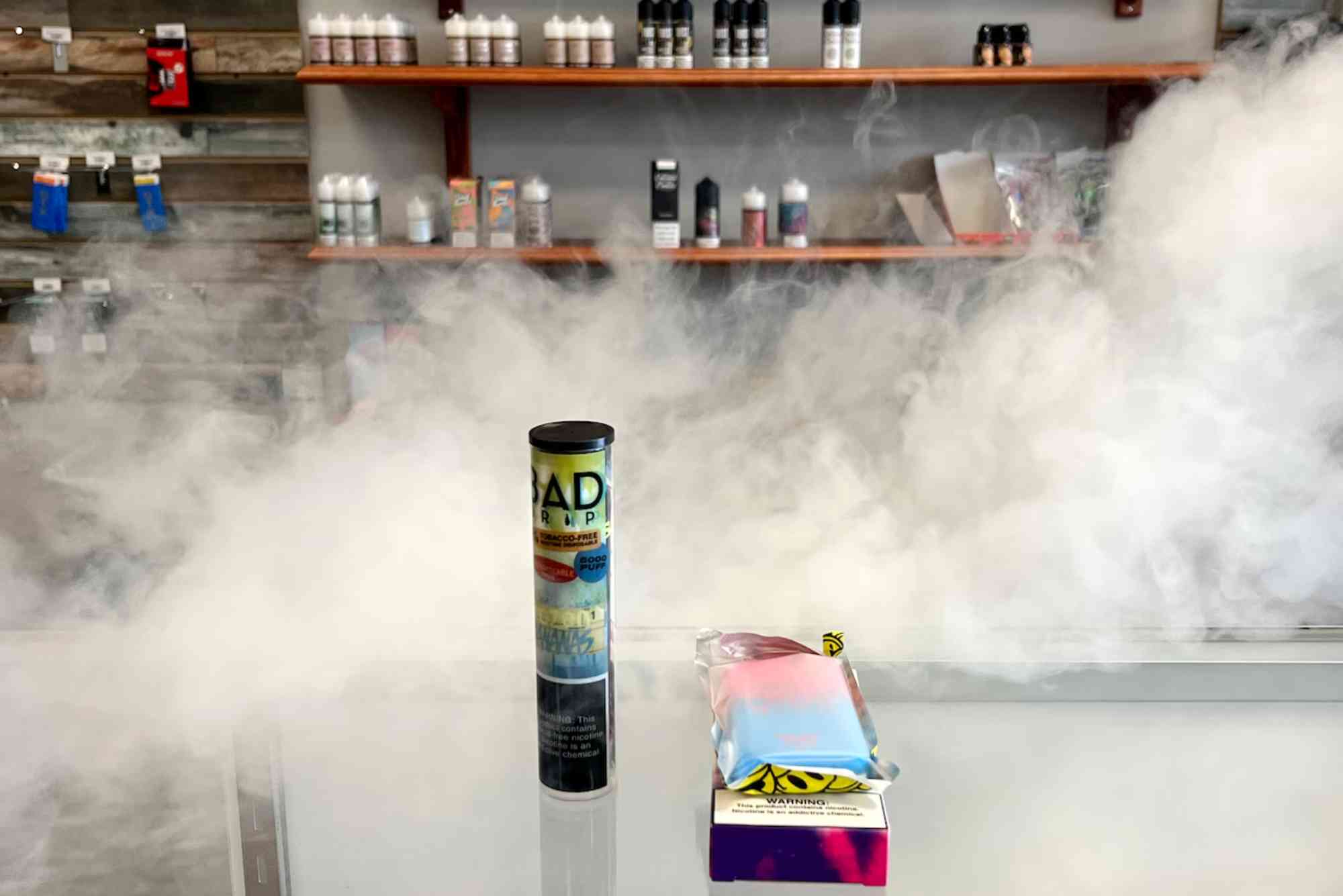
Vaping continues to evolve, not only in popularity but also in regulation. As 2025 unfolds, new vape laws 2025 are reshaping how users, retailers, and manufacturers approach the industry. At the same time, safety concerns such as vape battery overheating remain critical for both new and experienced users. Understanding the legal framework while also prioritizing safety is essential. Whether you are a casual vaper, a dedicated enthusiast, or part of the vape industry, knowing what has changed and what risks exist will help you make smarter decisions.
This article explores the new landscape of vape regulations in 2025 and explains the science and risks behind battery overheating. By the end, you will have a clearer picture of how the two areas connect and why staying informed is more important than ever.
Vape Laws 2025: What Has Changed
The year 2025 marks a significant moment in vaping regulation. Governments across the globe are tightening laws to protect consumers, reduce youth vaping, and create clearer safety standards. Unlike the fragmented approaches of previous years, many regions are moving toward uniform guidelines that apply across manufacturing, distribution, and sales.
Tighter Age Restrictions
In 2025, stricter age-verification requirements dominate the regulatory environment. Many countries have raised the legal purchase age to 21, aligning with similar restrictions on tobacco and alcohol. Retailers face heavier penalties if they fail to comply, including the suspension of sales licenses. Online sales platforms are also under strict watch, with digital ID checks becoming mandatory.
Flavor and Marketing Controls
Flavored e-liquids have long been controversial. Vape laws in 2025 restrict how flavors are marketed, especially those perceived to target younger audiences. While flavors like menthol and tobacco remain available, sweet or candy-inspired options are increasingly banned in some jurisdictions. Advertisements are now required to carry clearer health warnings, and packaging regulations focus on transparency about ingredients and nicotine levels.
Product Safety Standards
Perhaps the most significant area of change in 2025 involves product safety. Regulators are pushing for higher standards in battery design, coil materials, and liquid composition. Manufacturers must now submit products for independent testing before approval. Labels are required to display certification marks that confirm compliance with safety regulations. This change directly impacts the conversation about vape battery overheating, as poorly designed devices are increasingly being removed from the market.
Taxation and Supply Limits
To curb excessive consumption, governments have also imposed new taxation systems on vaping products. Some regions limit the volume of e-liquids sold per transaction, similar to restrictions on alcohol. This move aims to discourage bulk purchases while also tracking supply chains more closely.
Vape Battery Overheating: The Silent Danger
While vape laws 2025 set new boundaries, user safety still depends heavily on how devices are used. One of the most common risks is vape battery overheating. Understanding why it happens, how to prevent it, and what to do if it occurs is vital for safe vaping.
Why Do Vape Batteries Overheat?
Most vaping devices rely on lithium-ion batteries, known for their energy efficiency but also for their sensitivity to misuse. Overheating occurs when the battery experiences stress beyond its safe limits. This can be caused by overcharging, using incompatible chargers, carrying loose batteries in pockets, or exposing devices to extreme temperatures. Mechanical mods and unregulated devices, in particular, are more vulnerable because they lack built-in safety circuits.
Warning Signs of Overheating
Users should be aware of early signs. A battery that feels unusually warm after short use, emits a strange smell, or takes longer to charge could be signaling danger. Ignoring these signs can lead to venting, where gases escape, or in extreme cases, explosions.
The Connection Between Laws and Battery Safety
With vape laws 2025, regulators are addressing these risks by demanding stricter battery testing and clearer user manuals. Many devices now come with warnings against using off-brand chargers or pushing batteries beyond recommended wattage levels. These measures aim to reduce accidents, but awareness remains the most powerful protection.
Practical Steps to Avoid Overheating
While new laws push manufacturers to meet higher standards, safe usage rests in the hands of vapers. Choosing devices with built-in protections such as temperature control, avoiding exposure to direct sunlight, and storing batteries in protective cases can all reduce risks. Regularly checking for damaged wraps or dents in batteries is also vital. Even small physical defects can trigger overheating.
Users should also develop responsible charging habits. Charging overnight or leaving devices plugged in for extended periods is one of the leading causes of overheating. Opting for manufacturer-approved chargers ensures that current flows at the correct rate. Following simple routines not only extends battery life but also prevents dangerous accidents.
The Bigger Picture: Balancing Regulation and Personal Responsibility
As vape laws 2025 come into effect, the industry is shifting toward greater accountability. Manufacturers are required to prioritize consumer safety, but this does not remove responsibility from users. A safe vaping environment emerges only when regulations and individual practices work together.
For example, a certified device may come with built-in safety features, but misuse—such as pairing it with the wrong battery—can still create hazards. Similarly, governments may ban unsafe flavors or packaging, but users still need to store and use e-liquids responsibly. This balance highlights that laws can guide, but awareness ensures safety.
Frequently Asked Questions
Are vape laws 2025 the same worldwide?
No. While many countries share similar trends, such as raising age restrictions and increasing safety requirements, specific rules differ. Always check local regulations.
Can vape batteries explode from overheating?
Yes, though rare, lithium-ion batteries can vent or explode if misused, overcharged, or exposed to damage. Proper care reduces this risk significantly.
What is the safest way to charge a vape battery?
The safest way is to use the original charger provided by the manufacturer, avoid overnight charging, and unplug once the device reaches full charge.
Do the new laws ban all flavored vapes?
Not all. In 2025, many regions restrict flavors that seem youth-oriented, such as candy or dessert types, while tobacco and menthol flavors remain widely available.
How do I know if my vape device complies with vape laws 2025?
Look for certification marks, detailed ingredient lists, and clear nicotine labeling. Devices sold through authorized retailers should meet the updated standards.
Stay Informed, Stay Safe
The vaping landscape in 2025 looks very different from previous years. With stricter vape laws 2025, governments are focusing on reducing risks while shaping a more regulated market. At the same time, battery overheating continues to pose dangers that require vigilance from users. Combining knowledge of the law with safe practices ensures a better vaping experience.