Thailand Vaping Illegal and Vape Battery Overheating: What You Must Know
Vaping has become a global trend, offering smokers an alternative to traditional cigarettes. However, if you’re planning to visit Thailand, it’s crucial to be aware of the country’s strict stance on vaping. In this article, we’ll delve into why vaping is illegal in Thailand and provide essential information on preventing vape battery overheating—a common concern among users.
Thailand Vaping Illegal: Understanding the Laws
The Legal Landscape
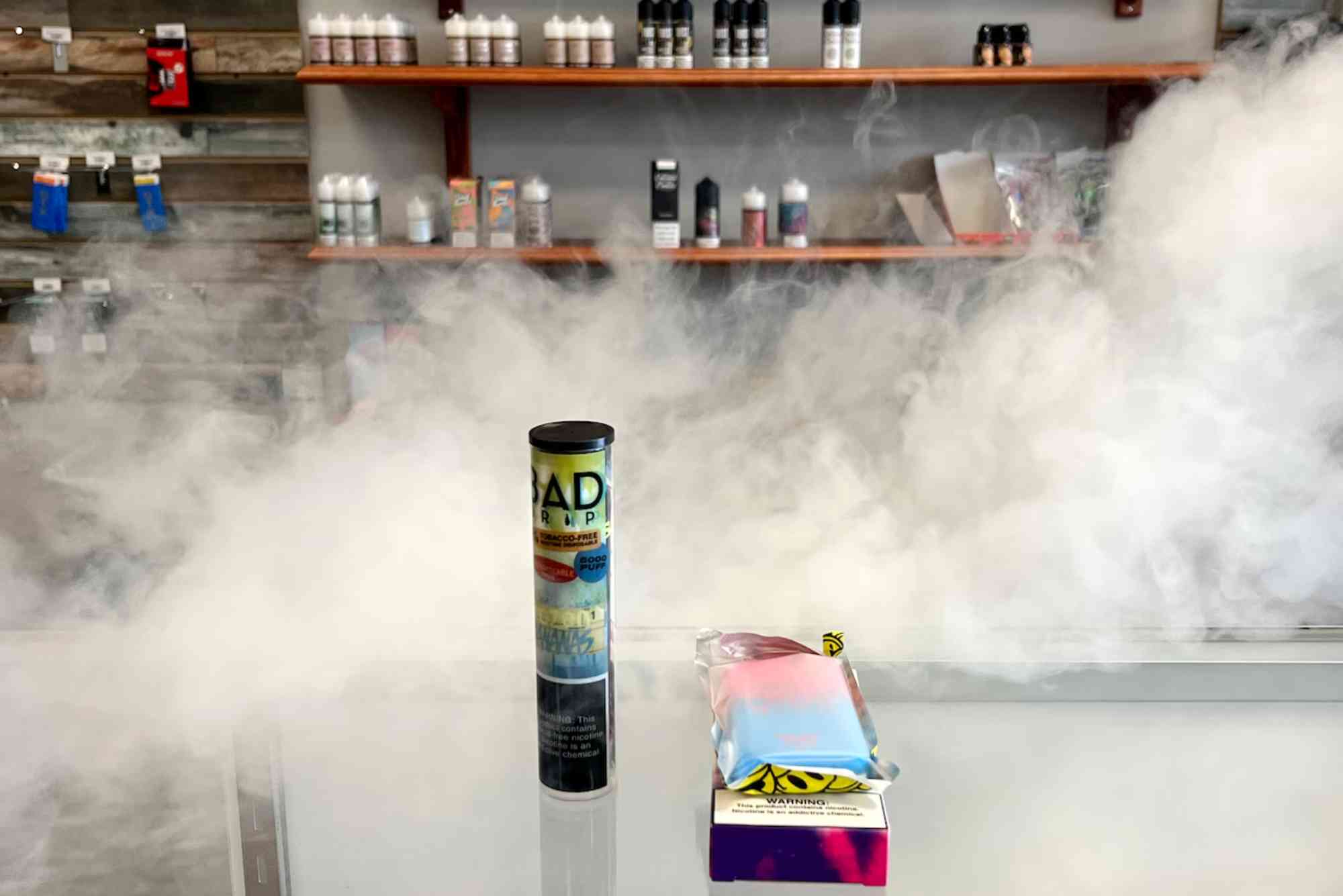
Since 2014, Thailand has enforced a nationwide ban on vaping. This prohibition encompasses the import, sale, possession, and use of electronic cigarettes (e-cigarettes) and related products. The Thai government implemented this ban citing health concerns and the desire to protect public health.
Penalties for Violations
Violating Thailand’s vaping laws can result in severe penalties. Offenders may face fines up to 30,000 Thai Baht (approximately $900 USD) and imprisonment for up to 10 years. Both locals and tourists are subject to these laws, and ignorance of the regulations is not considered a valid defense.
Enforcement and Crackdowns
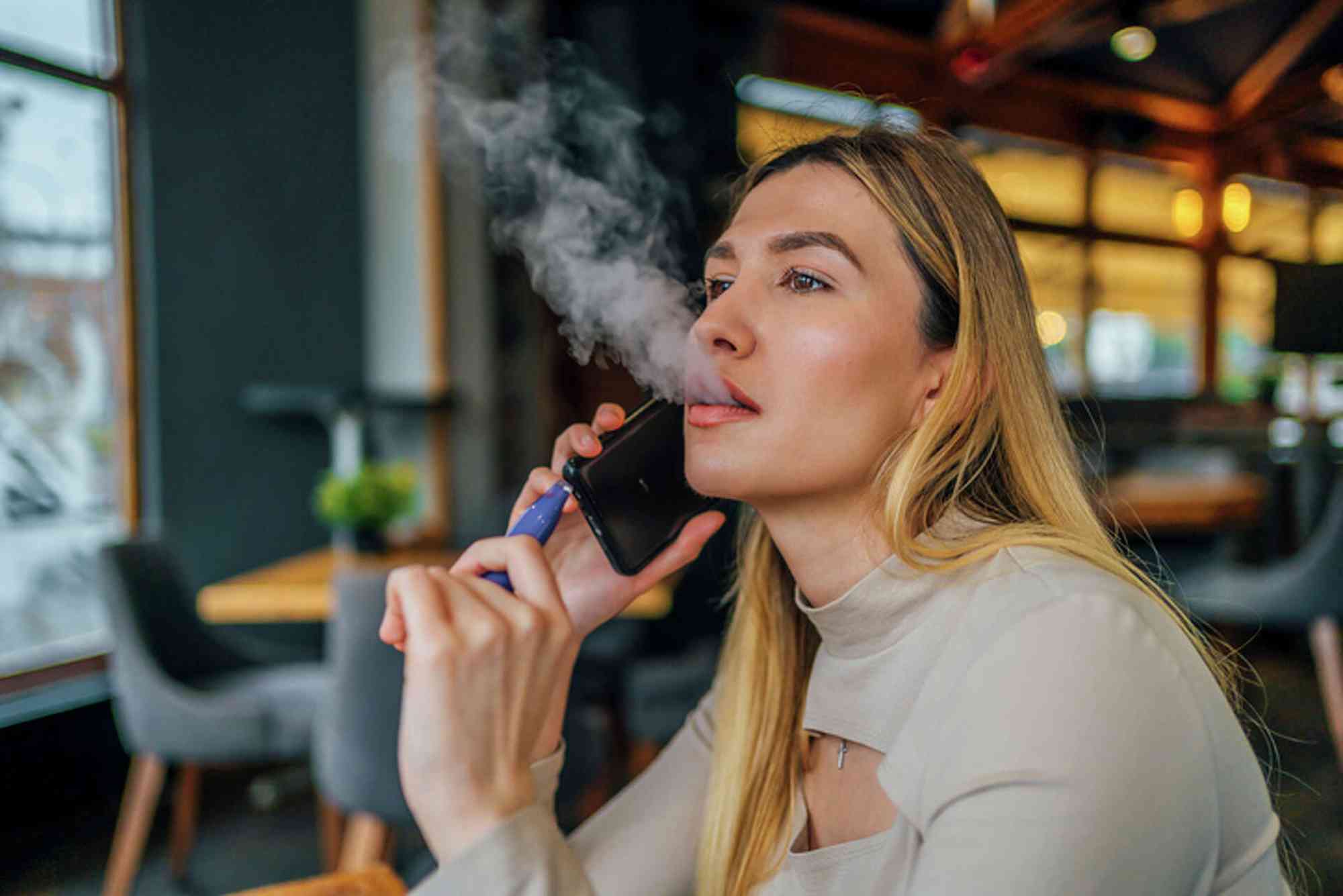
Thai authorities have been vigilant in enforcing the vaping ban. There have been numerous instances where tourists were fined or arrested for possessing or using vape devices. In some cases, individuals have been detained and faced legal proceedings. It’s essential to understand that vaping is not tolerated in Thailand, regardless of the circumstances.
Vape Battery Overheating: A Growing Concern
While the legal implications of vaping in Thailand are clear, it’s also important to address safety concerns related to vape devices, particularly battery overheating.
Causes of Battery Overheating
Vape batteries, especially lithium-ion types, can overheat due to several factors:
- Overcharging: Leaving the device plugged in after it’s fully charged can cause the battery to overheat.
- Physical Damage: Dropping the device or exposing it to moisture can lead to internal short circuits.
- Environmental Factors: Using the device in extreme temperatures, such as leaving it in a hot car, can cause the battery to overheat.
Risks Associated with Overheating
Overheated vape batteries pose significant risks, including:
- Fire Hazards: Overheating can lead to battery rupture, causing fires.
- Health Risks: Exposure to toxic chemicals released during battery failure can harm users.
- Device Damage: Prolonged overheating can permanently damage the vape device.
Safety Measures to Prevent Overheating
To minimize the risk of battery overheating:
- Use the Correct Charger: Always use the charger provided by the manufacturer to ensure compatibility.
- Avoid Overcharging: Unplug the device once it’s fully charged to prevent overheating.
- Regular Inspection: Check the device and battery for signs of wear or damage and replace them if necessary.
- Proper Storage: Store the device in a cool, dry place away from direct sunlight and heat sources.
Understanding the legal implications of vaping in Thailand and the safety concerns related to vape battery overheating is crucial for both residents and visitors. Thailand Vaping Illegal By adhering to Thailand’s strict vaping laws and following safety guidelines for vape devices, you can avoid legal troubles and ensure your safety.
FAQs
Is vaping legal in Thailand?
No, vaping is illegal in Thailand. The country has enforced a nationwide ban on the import, sale, possession, and use of e-cigarettes and related products since 2014.
What are the penalties for vaping in Thailand?
Violating Thailand’s vaping laws can result in fines up to 30,000 Thai Baht (approximately $900 USD) and imprisonment for up to 10 years.
Can tourists be arrested for vaping in Thailand?
Yes, both locals and tourists are subject to Thailand’s vaping laws. Tourists have been fined or arrested for possessing or using vape devices.
How can I prevent vape battery overheating?
To prevent overheating, use the correct charger, avoid overcharging, regularly inspect the device for damage, and store it in a cool, dry place away from heat sources.