Ohm’s Law Vapes and Public Health: What Vapers Should Know
Understanding vaping requires more than just knowing flavors and devices. For anyone who uses advanced vape mods, Ohm’s law is one of the most important concepts to grasp. While casual users may never adjust coils or batteries, those who do enter this territory need to know how voltage, resistance, and current interact. This isn’t just about performance—it’s about safety, responsibility, and even public health. The topic of Ohm’s law vapes is essential for both hobbyists and health-conscious users who want to make informed choices.
What Is Ohm’s Law and Why It Matters for Vapes
Ohm’s law is a basic electrical principle that explains how voltage, current, and resistance work together in a circuit. For vaping, this principle determines how much power flows through a coil, how hot it gets, and how much vapor is produced. The formula is simple: Voltage equals Current multiplied by Resistance. By applying this equation, vapers can predict how their device will perform before even pressing the button.
When it comes to vaping, coils with different resistances create different effects. Lower resistance coils allow more current to flow, producing bigger clouds but also generating more heat. Higher resistance coils restrict current, offering a cooler vape and conserving battery life. Without understanding this balance, users risk overheating devices, damaging batteries, or even causing dangerous malfunctions. That’s why Ohm’s law vapes is not just a phrase tossed around in vape communities—it’s a foundation for safe use.
The Role of Ohm’s Law in Vaping Devices
Sub-Ohm Vaping and Performance
Sub-ohm vaping refers to using coils with resistance below one ohm. This method delivers massive vapor clouds and intense flavor but also draws higher currents from the battery. Enthusiasts love it for the experience, but without proper knowledge of Ohm’s law, it can become risky. A coil that is too low in resistance may demand more current than a battery can safely supply, leading to overheating or venting.
Regulated vs. Mechanical Mods
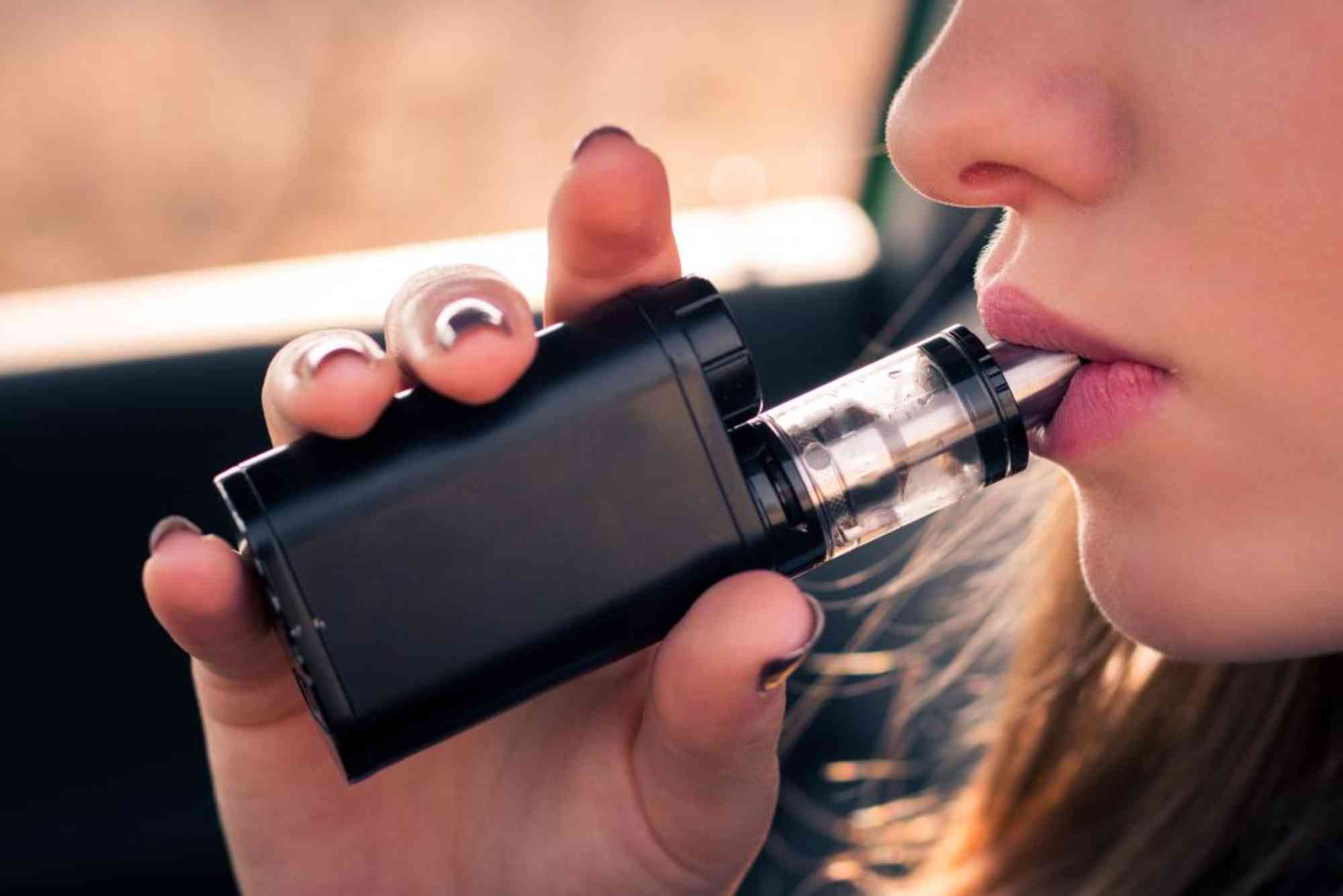
Regulated mods include built-in safety features such as chipsets that monitor resistance, limit wattage, and cut off dangerous draws. Mechanical mods, on the other hand, rely entirely on the user’s knowledge of Ohm’s law. For mechanical devices, the user must calculate resistance and battery limits to avoid unsafe conditions. This difference highlights why beginners are encouraged to start with regulated devices before experimenting with mechanical mods.
Battery Safety and Public Awareness
Batteries are the heart of any vaping device. Understanding Ohm’s law helps users choose the right battery for their setup. For example, a coil at 0.2 ohms will pull a lot more current than one at 1.0 ohm. If the battery cannot handle that demand, it may overheat. Public health experts often emphasize the importance of consumer education in preventing vaping-related accidents. By spreading awareness of Ohm’s law, the vaping community can reduce risks associated with unsafe practices.
Public Health Perspective on Ohm’s Law Vapes
Safety Concerns for Individuals
While vaping is often marketed as a safer alternative to smoking, misuse of devices creates its own set of risks. Misunderstanding coil resistance or battery limits can lead to accidents such as burns or explosions. Public health officials argue that these incidents, though rare, harm the broader perception of vaping. For vapers, knowing how Ohm’s law applies is a personal responsibility that contributes to overall safety.
Impact on Community Health Discussions
When the media reports on vape-related injuries, they often overlook the technical mistakes that caused them. This leads to general fear rather than practical solutions. By educating vapers on the role of Ohm’s law, the community can separate myths from facts. Safer practices result in fewer incidents, which in turn helps shift the conversation about vaping from panic to informed debate. Public health is not only about large-scale policies but also about individual behaviors that add up to collective outcomes.
Education as a Preventive Tool
One of the most effective ways to protect both vapers and the general public is through education. Workshops, online guides, and community discussions about Ohm’s law empower users to make safe choices. When people understand the relationship between voltage, current, and resistance, they are less likely to misuse their devices. Public health campaigns could even integrate these lessons into broader harm reduction strategies, ensuring that those who choose to vape do so with full awareness.
Practical Guidance for Vapers Applying Ohm’s Law
Choosing the Right Coil Resistance
The resistance of a coil determines the kind of vape you’ll experience. A lower resistance coil produces dense clouds and stronger flavor, while higher resistance coils provide a smoother, cooler inhale. When deciding, always match coil resistance with your battery’s safe output range. Using Ohm’s law makes this calculation straightforward, ensuring both performance and safety.
Calculating Power and Current
Applying Ohm’s law allows you to calculate how much current your battery must supply. For example, if your coil has a resistance of 0.3 ohms and your battery delivers 4 volts, the current draw will be over 13 amps. If your battery is only rated for 10 amps, that setup is unsafe. By running these numbers before use, vapers can avoid potentially harmful mistakes.
Matching Batteries to Builds
Not all batteries are created equal. High-drain batteries are designed to handle the intense current demands of sub-ohm vaping. Low-drain batteries, if misused, can become dangerous. Checking specifications and using Ohm’s law ensures that your build matches your battery’s capabilities. This attention to detail is crucial for long-term safety.
The Broader Public Health Implications
Understanding Ohm’s law doesn’t just protect individual users—it influences the broader narrative around vaping. When fewer accidents occur, policymakers can make more balanced decisions. This can also ease public anxiety and reduce the stigma attached to vaping. Public health relies on accurate information, and by normalizing technical knowledge like Ohm’s law, the community demonstrates responsibility.
Moreover, this technical awareness can be integrated into harm reduction strategies. Just as campaigns teach smokers about nicotine risks, vaping campaigns could teach about resistance, wattage, and safe battery use. By making this knowledge mainstream, the vaping community can improve both safety and reputation.
Why Every Vaper Should Learn Ohm’s Law
Vaping is more than just inhaling flavored vapor—it involves real electrical science. Ohm’s law provides the foundation for understanding how devices work, how to use them safely, and how to avoid accidents. From sub-ohm enthusiasts to casual users, everyone benefits from this knowledge. Beyond individual safety, embracing Ohm’s law vapes contributes to healthier community practices and better public health outcomes.
If you vape, take the time to learn how resistance, current, and voltage interact. Not only will your sessions be safer, but you’ll also be part of a community that values education, responsibility, and health. Start applying these principles today and make every vape both enjoyable and safe.
Frequently Asked Questions
What is Ohm’s law in vaping?
Ohm’s law in vaping describes the relationship between voltage, current, and resistance in a vape coil. It helps users understand how power and heat are generated in their device.
Why is sub-ohm vaping popular?
Sub-ohm vaping produces larger vapor clouds and stronger flavor because lower resistance coils allow more current to flow, generating more heat and vapor.
Is sub-ohm vaping safe?
Sub-ohm vaping can be safe if users understand ohm’s law and use proper batteries. However, it carries risks of overheating and higher nicotine intake if misused.
How does coil resistance affect nicotine intake?
Lower resistance coils produce denser vapor, leading to higher nicotine delivery per puff. Higher resistance coils result in less vapor and smoother nicotine absorption.
Do all vapers need to know ohm’s law?
Not all vapers need advanced knowledge, especially if using pod systems or regulated mods. However, anyone building coils or using mechanical mods should understand ohm’s law to avoid accidents.