Introduction
The UAE is undergoing a significant shift in its approach to nicotine consumption. With growing health awareness and stringent tobacco regulations, the demand for safer, non-combustible nicotine alternatives is rising. This evolving landscape presents exciting possibilities, not just for public health, but also for businesses, regulators, and users.
In this article, we’ll explore the nicotine future in UAE — a topic gaining traction among health-conscious residents, entrepreneurs, and policymakers. From vaping and oral nicotine pouches to nicotine-free innovations, the transformation is shaping a cleaner, smarter nicotine market.
Understanding the Shift in Nicotine Use
Public Awareness and Health Education
People in the UAE are becoming increasingly informed about the dangers of smoking. Campaigns by the Ministry of Health and Prevention (MOHAP) have emphasized the risks of combustible tobacco. This awareness is pushing smokers to explore alternatives that reduce harm without sacrificing the experience.
Government Regulation and Policy
In 2019, the UAE legalized vaping products under strict standards. This decision was a game-changer. It opened the market for regulated, safer nicotine delivery systems. As of now, any nicotine-containing product must meet Emirates Authority for Standardization and Metrology (ESMA) regulations, ensuring product safety and quality.
Market Trends Driving the Nicotine Future in UAE
Rising Demand for Vape Products
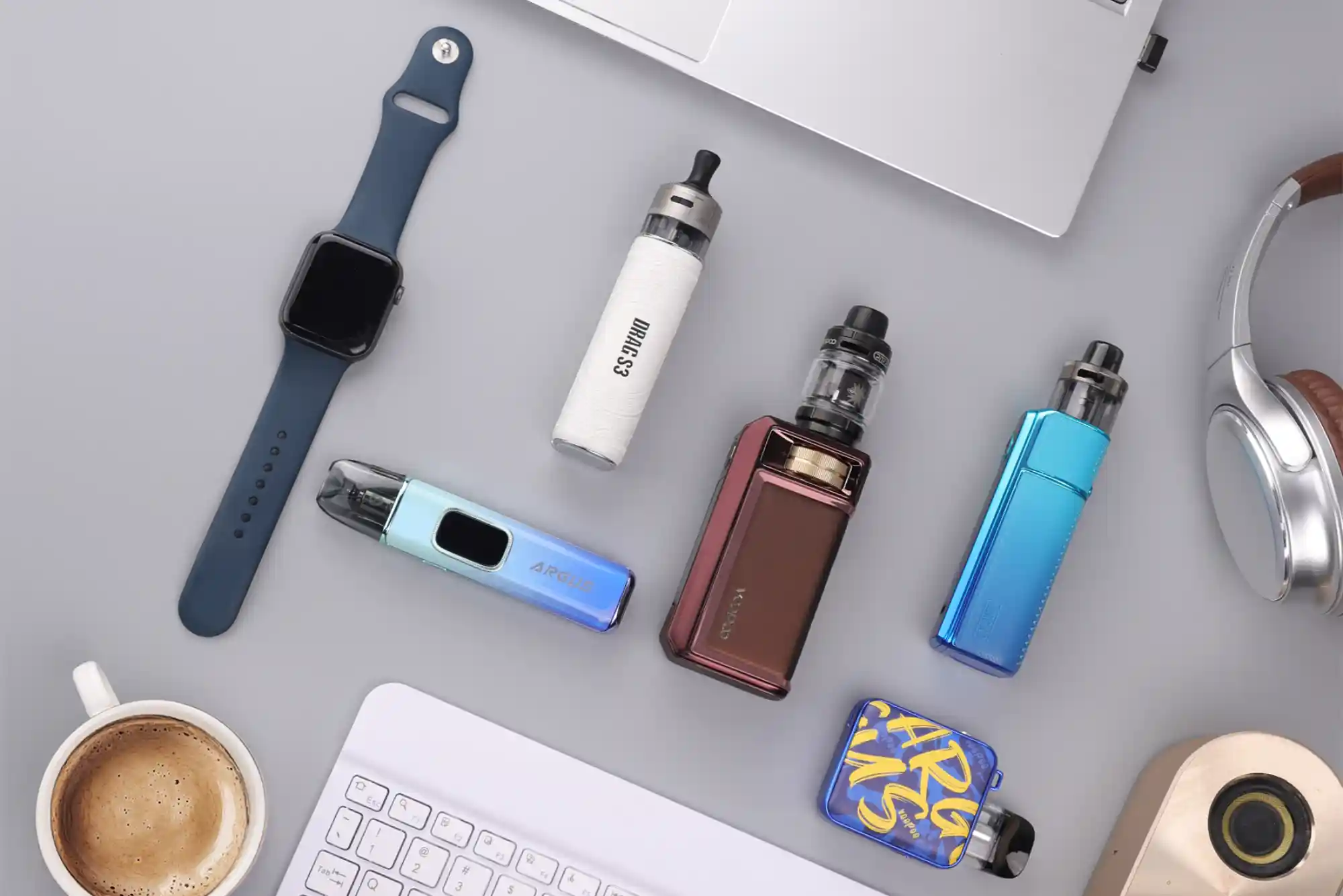
While traditional cigarette sales are declining, vaping is gaining popularity. Young adults and professionals are shifting toward vape pens and e-liquids that offer customizable nicotine levels. The appeal lies in lower health risks, discreet use, and reduced odors.
Growth of Oral Nicotine and Heat-Not-Burn Devices
New products like nicotine pouches and heat-not-burn devices are entering the market. These are especially attractive to users looking for a smoke-free, low-risk option. They don’t involve combustion, which eliminates the harmful tar and carbon monoxide typically found in cigarettes.

Shift Toward Nicotine-Free Innovations
The most promising direction is nicotine-free substitutes — herbal sticks, zero-nicotine vapes, and functional inhalers. These products cater to users who want to keep the hand-to-mouth habit without the addiction, supporting a full transition away from nicotine dependency.
What’s Fueling This Evolution?
A Health-First Mindset
The UAE Vision 2030 emphasizes wellness and preventive healthcare. This national initiative supports the development of low-risk products that align with public health goals. People now want options that help them quit gradually or minimize harm.
Technological Advancements in Nicotine Delivery
Innovation is key to the nicotine future in UAE. Smart vaping devices now feature temperature control, puff tracking, and even biometric locks for added safety. These technologies enhance user experience while minimizing risks.
Cultural Acceptance of Alternatives
Cultural openness is also a factor. Social settings now welcome nicotine alternatives as cleaner, less intrusive options. Vaping lounges, tech-enabled kiosks, and influencer-driven campaigns are changing perceptions around quitting and harm reduction. Nicotine Future UAE
Challenges Ahead
Misuse and Youth Appeal
One concern is the appeal of flavored vaping products to minors. Authorities are tightening advertising and retail laws to curb underage access. Education remains crucial in making these products tools for cessation, not trends.
Misconceptions About Safety
Not all nicotine alternatives are risk-free. Misleading marketing can lead users to believe that vaping or pouches are 100% safe. Ongoing public education and transparent labeling will be essential to maintaining trust and health outcomes.
Regulatory Updates and Compliance
Businesses must stay informed of updates from ESMA and other UAE regulatory bodies. As the market evolves, compliance will grow more complex — but also more rewarding for those who invest in quality and innovation.
The Business Landscape: Opportunities for Entrepreneurs
E-commerce Expansion
With high internet penetration and smartphone usage, online sales of nicotine alternatives are booming. Regulatory compliance is a must, but for those who get it right, the rewards are considerable.
Retail Innovation
From AI-powered kiosks to vape cafés, retail innovation is thriving. Smart vending systems and loyalty apps are being introduced to engage customers responsibly.
Investment in R&D
Research-driven companies are looking into botanical inhalers, precision dosing, and sustainable packaging. This kind of innovation aligns perfectly with both UAE’s green goals and its wellness ambitions.
Looking Ahead: What Will Nicotine Use Look Like in 2030?
By 2030, the nicotine future in UAE will likely look vastly different. Combustible tobacco may be close to obsolete. Instead, you’ll see a diverse portfolio of safer, smarter products that meet people where they are on their quitting journey.
Expect to see digital cessation programs, biometric vape devices, and medically endorsed products dominating the shelves. Public-private partnerships could further strengthen the role of nicotine alternatives in public health policy.
FAQs
Is vaping legal in the UAE?
Yes, vaping is legal in the UAE as long as the products comply with ESMA standards. Only registered and tested devices are allowed in the market.
Are nicotine pouches allowed in UAE?
Nicotine pouches are available but must adhere to health regulations. Retailers must ensure they are not marketed to minors or falsely advertised.
Are there nicotine-free alternatives available?
Yes. Herbal vapes, zero-nicotine e-liquids, and botanical inhalers are gaining popularity among users trying to quit nicotine altogether.
How is the UAE government regulating new nicotine products?
The government monitors the market through ESMA. Only approved and tested products can be sold, and advertising is heavily regulated to prevent youth exposure.
Can nicotine alternatives help you quit smoking?
They can support smoking cessation, especially when combined with behavioral support or apps. However, they are not a cure and should be used mindfully.