Is Vaping in a Car with a Child Illegal and Public Health: What Vapers Should Know
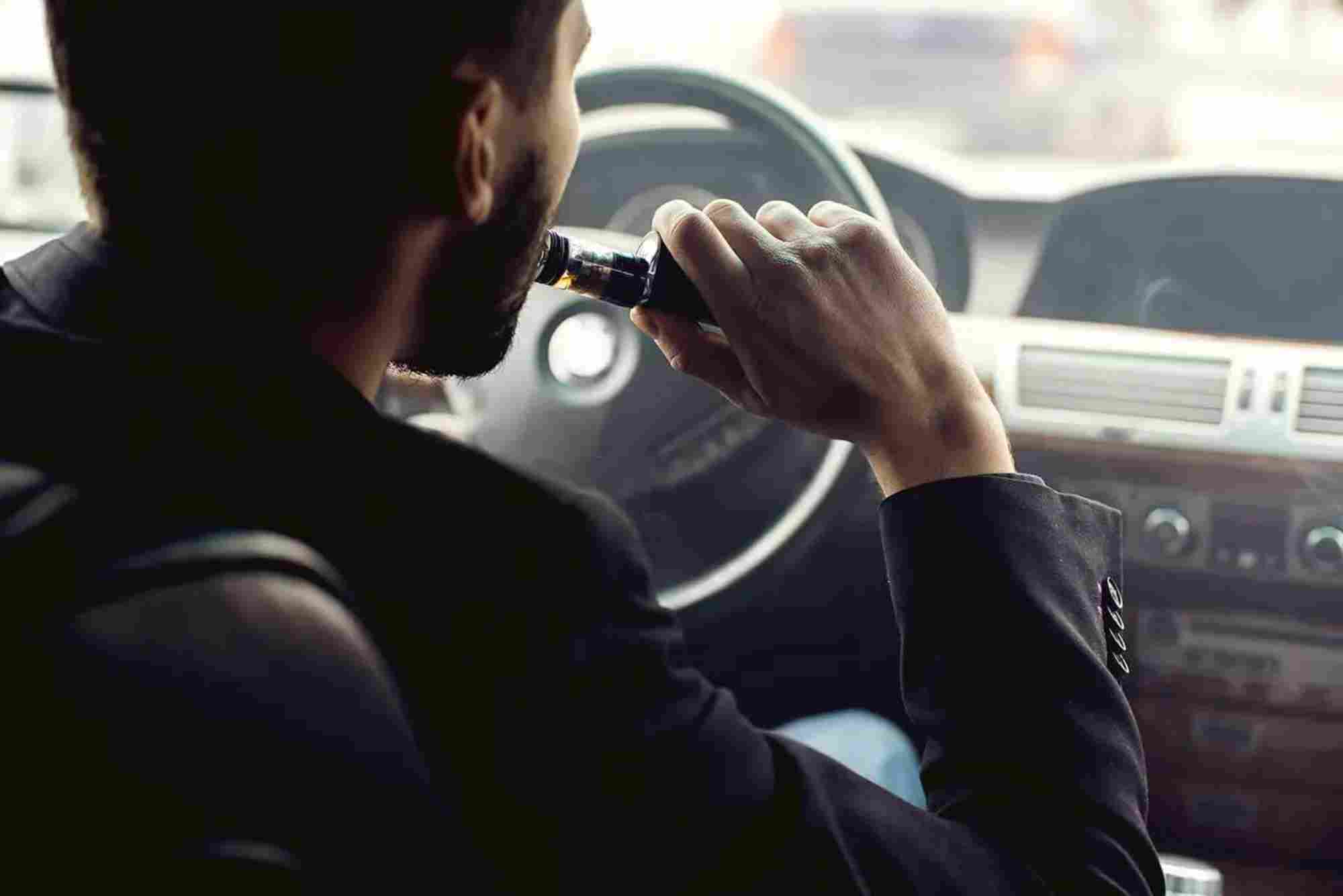
Vaping has become a common alternative to smoking, but many parents and guardians wonder about one pressing question: is vaping in a car with a child illegal? The answer depends on where you live, but beyond legality, there are serious public health concerns to consider. This guide explores the laws, risks, and what responsible vapers should know.
Why the Question Matters
The growing popularity of e-cigarettes has led governments to set strict rules about where vaping is allowed. When children are present, the issue becomes even more sensitive. Just as secondhand smoke from cigarettes can harm young passengers, secondhand vapor also raises public health concerns. Parents need clarity to avoid legal trouble and to protect children’s health.
Is Vaping in a Car with a Child Illegal?
Countries and States with Bans
In several regions, it is illegal to vape inside a car with minors present. For example:
- United Kingdom: Vaping or smoking in a car with anyone under 18 is prohibited.
- Australia (varies by state): Many states ban vaping in cars with children under 16.
- Canada: Several provinces, including Ontario and Nova Scotia, prohibit vaping in vehicles with minors.
- United States: Laws vary. States like California, Louisiana, and Oregon ban smoking in cars with children, and many include vaping in the restriction.
These laws exist to protect minors from secondhand exposure, which can cause long-term respiratory issues.
Regions Without Clear Laws
Some regions have not yet specified whether vaping in a car with a child is illegal. However, even where laws are absent, public health experts strongly discourage it. Courts and lawmakers continue to debate the issue, so future restrictions are likely.
Penalties for Violating the Law
Fines vary depending on jurisdiction. In the UK, for instance, drivers face up to £50 in fines. In U.S. states with bans, penalties range from $25 to $250. Repeat violations can lead to higher fines or other consequences.
Public Health Risks of Vaping Around Children
Secondhand Vapor Exposure
While e-cigarettes produce vapor rather than smoke, the aerosol still contains:
- Nicotine
- Heavy metals like lead
- Ultrafine particles
- Volatile organic compounds
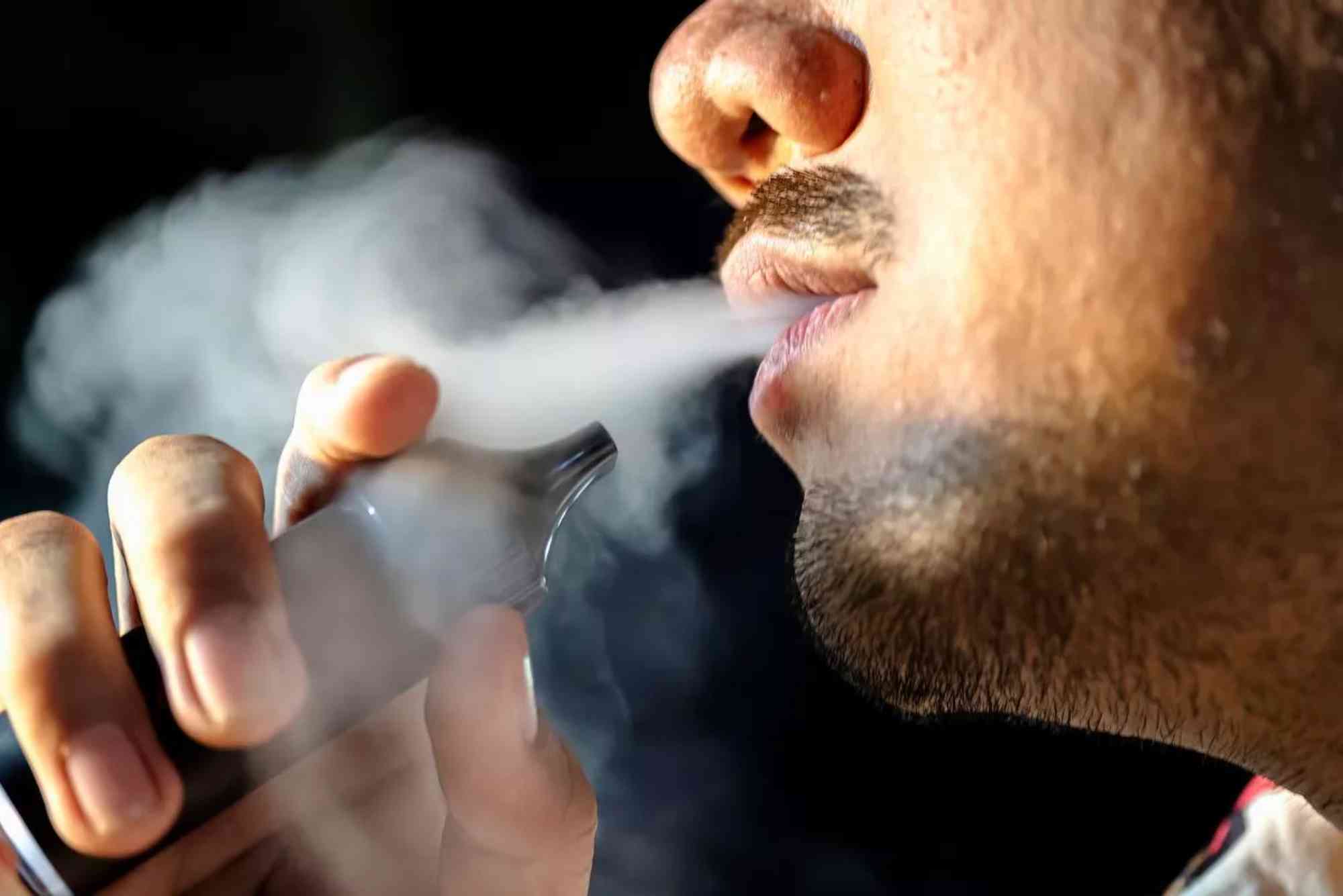
Children are more vulnerable because their lungs are still developing. Even brief exposure in enclosed spaces like cars can be harmful.
Thirdhand Vapor Risks
Thirdhand exposure refers to the residue left on car seats, seatbelts, and surfaces after vaping. Children may touch or ingest these particles, increasing health risks.
Psychological Effects
Seeing adults vape in confined spaces normalizes the behavior. Public health experts worry this may increase the likelihood of children experimenting with vaping or smoking later in life.
Legal and Ethical Responsibility
Protecting Children Beyond the Law
Even if vaping in a car with a child is not explicitly illegal where you live, ethical responsibility plays a role. Children cannot consent to exposure, so adults should prioritize their safety.
Parental and Caregiver Awareness
Parents should also consider that vaping in cars can lead to:
- Negative judgments from other drivers or law enforcement
- Possible child welfare concerns in some regions
- Reduced trust from schools and healthcare providers
Alternatives for Responsible Vapers
Step Outside the Vehicle
The simplest solution is to wait until you are outside the car before vaping. This reduces exposure risk and keeps the vehicle interior clean.
Use Smoke-Free Commitments
Many families adopt a “smoke-free car and home” rule, covering both traditional cigarettes and vapes. This proactive choice protects everyone’s health.
Nicotine Alternatives
For those who struggle with nicotine cravings while driving, alternatives such as sugar-free gum, lozenges, or patches may help.
FAQs: Is Vaping in a Car with a Child Illegal?
Can you vape in a car with a child in the UK?
No. It is illegal to vape or smoke in a vehicle with anyone under 18 present.
What happens if you get caught vaping in a car with a child?
Penalties vary. In many regions, fines are issued, and repeat offenders may face higher costs or additional consequences.
Is vaping in a car with a child illegal in the US?
It depends on the state. Some states prohibit it, while others have no specific laws yet. Always check local regulations.
Is secondhand vape harmful to children?
Yes. Even though it looks less dense than cigarette smoke, secondhand vapor contains chemicals and nicotine that affect children’s lungs and health.
What about vaping with the car windows open?
While open windows reduce exposure, experts say it does not eliminate the risks. Vapor can still linger and settle on surfaces.
Expert Insights and Research
According to the Centers for Disease Control and Prevention (CDC), secondhand e-cigarette emissions are not harmless. Research indicates that even short-term exposure may harm cardiovascular and respiratory health. The World Health Organization (WHO) also stresses that children should be protected from all forms of secondhand emissions.
For parents seeking healthier homes and lifestyles, adopting a strict smoke-free and vape-free policy in confined spaces is strongly recommended.
Public Perception and Enforcement
Law Enforcement’s Role
Police typically enforce vaping bans in cars when minors are present, especially if the car is stopped for another reason. Visibility of vapor makes it easy for officers to spot.
Public Opinion
Surveys suggest most parents support banning vaping in cars with children. Many view it as common-sense protection for young passengers.
What Vapers Should Do
So, is vaping in a car with a child illegal? The answer depends on your location, but the public health risks are clear everywhere. Laws are expanding globally, and penalties can be costly. More importantly, children’s health is at stake.
The safest choice is simple: keep cars and homes vape-free.
If you vape, adopt responsible habits that protect your children and set a positive example. Before traveling, check your local laws to avoid fines.
Stay informed about vaping regulations in your region. If you’re considering quitting vaping, consult healthcare providers for safe alternatives. Protecting children’s health today ensures a safer tomorrow.