Introduction
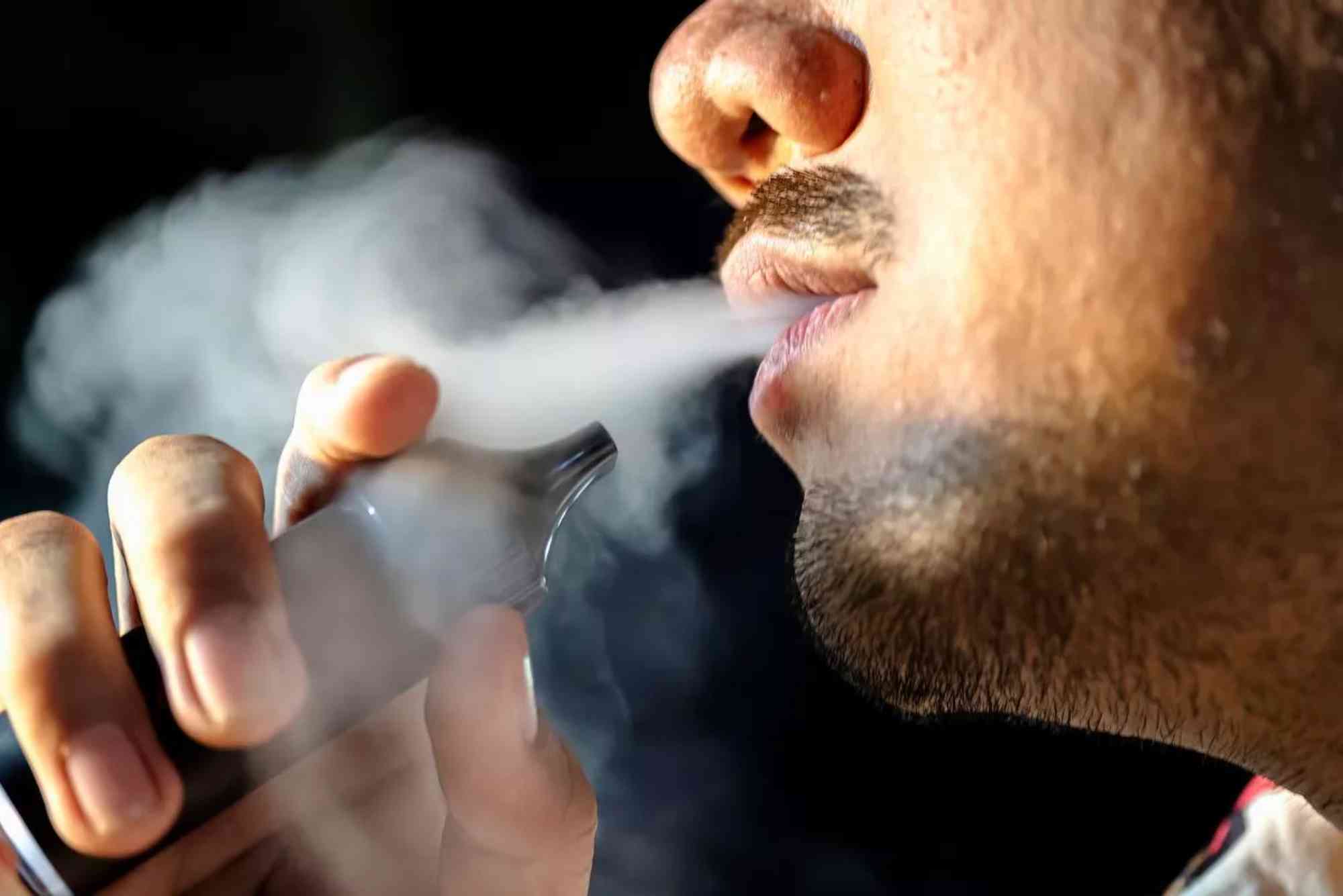
Vaping has become a huge part of the smoking alternative industry, with millions of Americans choosing it over traditional cigarettes. Yet, one of the most asked questions online is: is vaping illegal in the US? The short answer is no, vaping is not illegal nationwide, but laws vary depending on federal, state, and even local regulations. Alongside legality, another growing concern among vapers is the safety of vape devices, particularly issues like vape battery overheating. Understanding the legal status of vaping and the safety challenges of batteries is essential for anyone who uses or plans to use e-cigarettes in the United States.
The Legal Status of Vaping in the United States
When discussing whether vaping is illegal in the US, it is important to recognize that vaping is legal under federal law but is regulated heavily. The Food and Drug Administration (FDA) oversees e-cigarettes, vapes, and related products under the Tobacco Control Act. The FDA requires manufacturers to submit products for review, restricts marketing to minors, and enforces labeling requirements. While vaping itself is not banned, the sale and distribution of e-cigarettes must meet strict standards.
At the state level, laws differ widely. Some states have embraced vaping as a harm-reduction tool for smokers, while others have taken a tougher stance due to concerns about youth usage and health risks. For example, states like California, New York, and Massachusetts have implemented flavored vape bans to reduce teenage appeal. In contrast, other states allow flavored products but impose high taxes to discourage consumption. This patchwork of laws can make the vaping landscape confusing.
On a local level, cities and counties can also enforce restrictions. Places like San Francisco have taken more aggressive measures by banning the sale of e-cigarettes entirely within city limits. So, while vaping is not federally illegal, where you live in the US dramatically influences your ability to buy or use vape products.
Federal Age Restrictions on Vaping
One of the most significant nationwide laws about vaping is the federal minimum age requirement. In December 2019, the US government raised the legal purchasing age for tobacco and vaping products from 18 to 21. This law applies everywhere in the country, and retailers must verify age before selling e-cigarettes or related items.
The move came after a sharp increase in teenage vaping rates. Surveys showed that flavored e-liquids were especially attractive to young people, prompting lawmakers to act. While vaping is still legal for adults, underage access has become increasingly restricted.
Why Vaping Laws Differ Across States
When asking “is vaping illegal in the US,” the answer depends on understanding the relationship between federal oversight and state authority. While the FDA regulates product safety and marketing, states can decide how and where vaping products are sold. States that want to discourage vaping often rely on heavy taxation, flavor bans, and public use restrictions. Others simply apply existing tobacco laws to vaping, treating both as equal in terms of rules.
Public health campaigns also shape state policies. In regions where health officials highlight potential risks, lawmakers tend to push stricter regulations. In states where vaping is promoted as a safer alternative for adult smokers, regulations remain lighter.
Public Vaping: Can You Vape Anywhere?
Even if vaping is legal, that does not mean you can vape wherever you like. Many states and cities treat vaping like smoking, banning it in restaurants, bars, workplaces, and public transport. The rationale is to protect non-vapers from inhaling aerosol and discourage public normalization of the habit. Travelers should always check local rules before vaping in public spaces, as penalties can include fines.
Vape Battery Overheating: A Growing Safety Concern
Aside from legality, another pressing issue for vapers is safety, particularly when it comes to vape battery overheating. Vape devices rely on lithium-ion batteries, the same type found in smartphones and laptops. While generally safe, these batteries can overheat, catch fire, or even explode if mishandled.
Overheating usually occurs due to poor charging practices, damaged batteries, or using incompatible chargers. Some users leave devices charging overnight, exposing them to overheating risks. Others carry spare batteries in pockets with keys or coins, which can cause dangerous short circuits.
Causes of Vape Battery Overheating
Several factors contribute to overheating. First, overcharging is one of the most common causes. Leaving a vape plugged in too long forces the battery to absorb more energy than it can handle, leading to heat buildup. Second, using the wrong charger poses serious risks. Not all chargers regulate current properly, and a mismatched charger can supply too much voltage.
Another major issue is battery damage. Small dents, tears in the protective wrap, or exposure to moisture can compromise the cell’s safety. Once damaged, lithium-ion batteries are far more likely to malfunction. Finally, user error plays a role. Chain vaping without giving the device time to cool down stresses the battery and raises temperatures quickly.
How to Prevent Vape Battery Overheating
Preventing overheating begins with safe charging practices. Always use the charger provided by the manufacturer, and unplug the device once it is fully charged. Avoid charging overnight or leaving the vape unattended while plugged in. Store spare batteries in dedicated plastic cases rather than loose in pockets or bags, reducing the chance of accidental short circuits.
Routine inspection is equally important. Check batteries for signs of damage, such as bulging, leaking, or unusual heat during use. Replace any battery that shows wear, as even small issues can escalate. Using quality devices from reputable brands also lowers the risk since certified products are tested for safety.
Legal Regulations Around Vape Battery Safety
The US does not currently have specific federal laws that target vape battery design. However, the FDA requires manufacturers to comply with general product safety standards. Some states and consumer protection agencies have pushed for stricter rules after incidents of battery explosions gained media attention. Lawsuits have also forced certain companies to recall faulty devices, raising awareness about safety.
Health Risks Associated with Vaping and Overheating
When asking whether vaping is illegal in the US, it is also important to consider why regulations exist in the first place. Public health officials worry about the risks of nicotine addiction, lung damage, and chemical exposure from e-cigarette aerosols. Battery overheating adds another layer of danger. Exploding vapes have caused burns, property damage, and in rare cases, even death. These incidents have made safety discussions just as important as debates around legality.
Should You Still Vape in the US?
For adults who want an alternative to smoking, vaping remains a legal option in most parts of the US. However, it comes with responsibilities. Staying informed about local laws, practicing safe charging habits, and understanding the risks of nicotine are all essential. Asking “is vaping illegal in the US” is only the first step. A more complete question is: how can you vape legally and safely?
Frequently Asked Questions
Is vaping legal in all US states?
Yes, vaping is legal in all states, but restrictions differ. Some states ban flavored e-liquids, while others heavily tax vape sales.
What is the federal legal age for vaping?
The minimum age to buy vaping products in the US is 21 nationwide.
Can I travel with my vape in the US?
Yes, but follow TSA rules. Vapes must be in carry-on bags, and spare batteries should be stored safely.
Why do vape batteries explode?
Explosions usually occur due to overheating, damage, overcharging, or improper storage of lithium-ion batteries.
Is vaping safer than smoking?
Research suggests vaping exposes users to fewer toxins than cigarettes, but it is not risk-free, especially for young people.
So, is vaping illegal in the US? No, but it is tightly regulated. The federal government sets the age limit at 21, the FDA monitors products, and states decide how far to go with flavor bans, taxes, and public use restrictions. Meanwhile, vape battery overheating remains a real safety concern that every user must take seriously. By following safe practices and staying informed about local regulations, adults can vape responsibly without legal or safety risks.