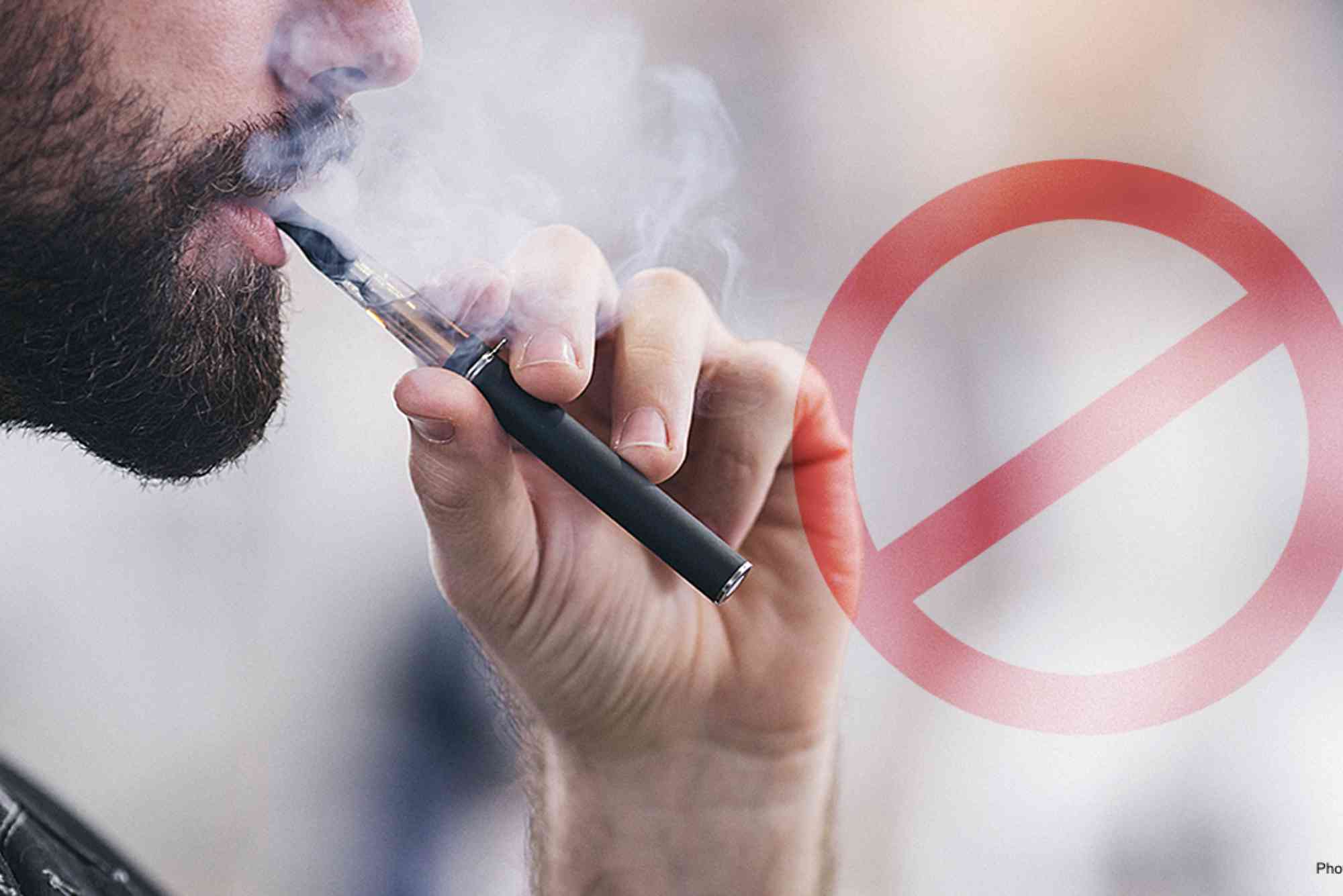
E-cigarettes banned – How It Shapes the Future of Harm Reduction
The global discussion around e-cigarettes has shifted dramatically in recent years. Once hailed as a safer alternative to traditional smoking, e-cigarettes are now facing bans in multiple countries. The question arises: how does banning e-cigarettes shape the future of harm reduction? Understanding this requires a close look at public health policies, addiction management, and the long-term consequences for smokers seeking alternatives.
The Rise of E-cigarettes as Harm Reduction Tools
E-cigarettes emerged in the early 2000s, promising a solution to the harms of combustible tobacco. Unlike traditional cigarettes, they deliver nicotine through vapor rather than smoke, significantly reducing exposure to tar and other toxic substances. Researchers initially considered them a breakthrough in tobacco harm reduction.
E-cigarettes as a Safer Alternative
Many smokers have turned to vaping as a way to reduce health risks. Unlike cigarettes, e-cigarettes do not produce the thousands of harmful chemicals found in tobacco smoke. Studies indicate that while vaping is not risk-free, it is substantially less harmful than traditional smoking. Governments and health organizations initially saw this potential as an opportunity to reduce smoking-related illnesses.
Popularity Among Different Demographics
The rise in popularity of e-cigarettes is evident worldwide. Adults seeking to quit smoking have found vaping appealing, while young adults are drawn to the novelty and flavors. This dual-use raises both hopes and concerns. Harm reduction efforts rely on helping adult smokers transition away from combustible cigarettes without introducing nicotine addiction to non-smokers.
The Growing Wave of E-cigarette Bans
Despite their potential benefits, e-cigarettes have faced increasing regulatory scrutiny. Some countries have implemented outright bans, while others impose strict restrictions on sales, marketing, and flavors. The World Health Organization (WHO — list & analysis of e-cigarette bans worldwide) provides a detailed overview of these regulations.
Health Concerns Behind the Bans
Governments cite several reasons for banning e-cigarettes. Chief among them are the unknown long-term health effects and the rising incidence of nicotine addiction among youth. Cases of vaping-related lung injuries have also fueled concerns. Policymakers face the challenge of balancing harm reduction for smokers with preventing new public health risks.
Market Impact of Bans
The bans have significant implications for the vaping industry. Manufacturers are forced to adjust supply chains, and adult smokers lose access to potentially less harmful alternatives. Black markets have emerged in some regions, leading to safety concerns due to unregulated products. These market shifts complicate harm reduction efforts, highlighting the tension between regulation and public health goals.
The Future of Harm Reduction Without E-cigarettes
Banning e-cigarettes does not eliminate the need for harm reduction. Instead, it forces policymakers and health professionals to explore alternative strategies.
Alternative Nicotine Delivery Systems
Other harm reduction tools are gaining attention, such as nicotine patches, gum, and inhalers. These alternatives provide controlled doses of nicotine without exposure to harmful smoke or vapor. While effective, they often lack the appeal and convenience of vaping, limiting their widespread adoption among smokers.
Behavioral Support and Education
Comprehensive cessation programs that combine behavioral support, counseling, and pharmacological aids are critical. Without access to e-cigarettes, smokers must rely on structured programs to quit successfully. Public awareness campaigns play a vital role in educating individuals about the relative risks of nicotine and the benefits of quitting combustible cigarettes.
Potential Long-term Consequences
Removing e-cigarettes from the market could have unintended consequences. Some smokers may return to traditional cigarettes, undermining years of progress in tobacco harm reduction. Conversely, bans may also protect younger generations from developing nicotine dependence. The balance between risk and benefit remains a contentious issue in public health discussions.
Policy Challenges and Global Perspectives
Policymakers face a complex landscape when regulating e-cigarettes. Different countries adopt varying approaches, reflecting local public health priorities and societal values.
Lessons from Countries with Bans
Countries like India, Brazil, and Singapore have implemented strict bans, citing health risks and youth protection. While these measures have reduced e-cigarette availability, they have also highlighted challenges such as enforcement and illicit trade. Understanding the global landscape can inform more nuanced policies that prioritize harm reduction without encouraging new risks.
Countries with Regulated Access
Other nations, including the UK and New Zealand, adopt a regulated approach. By allowing adult smokers to access e-cigarettes under controlled conditions, these countries aim to maximize harm reduction while minimizing youth exposure. This approach emphasizes education, age restrictions, and product standards, illustrating a middle ground between prohibition and unrestricted access.
WHO Recommendations and Analysis
The WHO emphasizes caution when regulating e-cigarettes. Their analysis of bans worldwide indicates that policymakers must consider both the benefits for adult smokers and the potential risks for young people. Evidence-based regulations, coupled with ongoing research, are essential for shaping a sustainable harm reduction strategy.
Public Health Implications
The broader public health implications of e-cigarette bans extend beyond individual smokers. These decisions affect healthcare costs, population health outcomes, and future tobacco control strategies.
Impact on Smoking Prevalence
Bans may influence smoking prevalence in multiple ways. Restricting access to e-cigarettes could slow the transition of smokers to safer alternatives, potentially leading to higher rates of traditional smoking. Conversely, well-designed bans may prevent the initiation of nicotine use among youth, contributing to long-term reductions in overall tobacco consumption.
Healthcare System Considerations
Reduced access to harm reduction tools can increase the burden on healthcare systems. Smoking-related illnesses remain a leading cause of preventable deaths worldwide. By limiting alternatives like e-cigarettes, policymakers risk slowing progress in reducing chronic diseases such as lung cancer, cardiovascular disease, and respiratory disorders.
Equity and Accessibility
Bans may also affect equity in health outcomes. Individuals in lower-income communities may have fewer resources to access cessation programs or alternative nicotine products. Ensuring equitable access to harm reduction strategies is crucial for public health fairness and effectiveness.
Shaping the Future of Harm Reduction
The ban on e-cigarettes presents both challenges and opportunities for the future of harm reduction. It forces innovation in cessation tools, policy design, and public education.
Innovation in Cessation Tools
With e-cigarettes restricted, researchers and manufacturers may focus on developing safer nicotine delivery systems. Innovations in inhalers, oral devices, and pharmacological aids could provide smokers with effective, appealing alternatives.
Strengthening Policy and Education
Policy frameworks must be informed by evidence, balancing protection for vulnerable populations with support for adult smokers. Educational initiatives can help individuals make informed choices about nicotine use, emphasizing harm reduction strategies backed by research.
Encouraging International Collaboration
Global collaboration is essential. Countries can share lessons, research findings, and best practices to implement balanced, effective harm reduction strategies. Organizations like WHO play a central role in guiding these efforts, ensuring policies are consistent with public health priorities worldwide.
The global trend of banning e-cigarettes marks a turning point in the conversation about harm reduction. While the bans aim to protect public health, they also reshape the strategies available for smokers seeking safer alternatives. Policymakers must navigate complex trade-offs, balancing youth protection, adult access, and innovation in cessation tools.
Harm reduction is not a one-size-fits-all solution. It requires a combination of regulation, education, and support programs to achieve meaningful public health outcomes. The future of tobacco harm reduction depends on informed decision-making, ongoing research, and international collaboration.
For those seeking detailed information on global e-cigarette regulations, the WHO — list & analysis of e-cigarette bans worldwide offers invaluable insights into policy trends, enforcement challenges, and best practices for harm reduction.
Take action today: if you are a smoker, explore harm reduction options, stay informed about local regulations, and consider consulting healthcare professionals to make the safest choices for your health.
The debate around vaping laws in Kentucky has intensified as public health concerns grow and legislators consider stricter regulations. Many residents and business owners are watching closely to understand how potential changes could affect daily life and the local economy. For the latest updates and detailed analysis, read more at Is vaping going to be illegal in Kentucky?
FAQ
Why are e-cigarettes banned in some countries?
Bans are primarily due to concerns about youth nicotine addiction, unknown long-term health effects, and vaping-related illnesses.
Does banning e-cigarettes improve public health?
It can reduce youth initiation but may hinder adult smokers from accessing safer alternatives, creating a complex public health outcome.
Are there alternatives to e-cigarettes for harm reduction?
Yes, nicotine patches, gum, inhalers, and structured cessation programs provide safer nicotine delivery without smoking.
How does the WHO view e-cigarette bans?
The WHO recommends careful, evidence-based policies that balance harm reduction for adults with youth protection.
Can e-cigarette bans create black markets?
Yes, strict bans may lead to unregulated products, increasing safety risks and complicating harm reduction efforts.
Looking for the latest in vaping products, accessories, and expert guides? Visit VapeZone360 to explore top-quality e-liquids, devices, and all things vaping in one trusted place.