How to Read CBD Product Labels in UAE
Understanding CBD product labels is essential for safety, legality, and quality—especially in the UAE, where strict regulations govern CBD products. The ability to read and interpret these labels ensures that you know exactly what you are buying, how to use it, and whether it is legal for your situation. This guide will walk you through the process of cbd label reading in UAE so you can make informed and confident decisions.
Why CBD Label Reading Matters in the UAE
In the UAE, CBD is subject to stringent laws and quality requirements. While some products may be available for medical or cosmetic purposes, they must comply with the country’s legal framework. Reading a CBD label helps you verify the product’s ingredients, concentration, and source, ensuring it meets both your needs and UAE regulations. Poorly labeled products can lead to legal issues or health risks.
Key Elements to Look for on a CBD Product Label
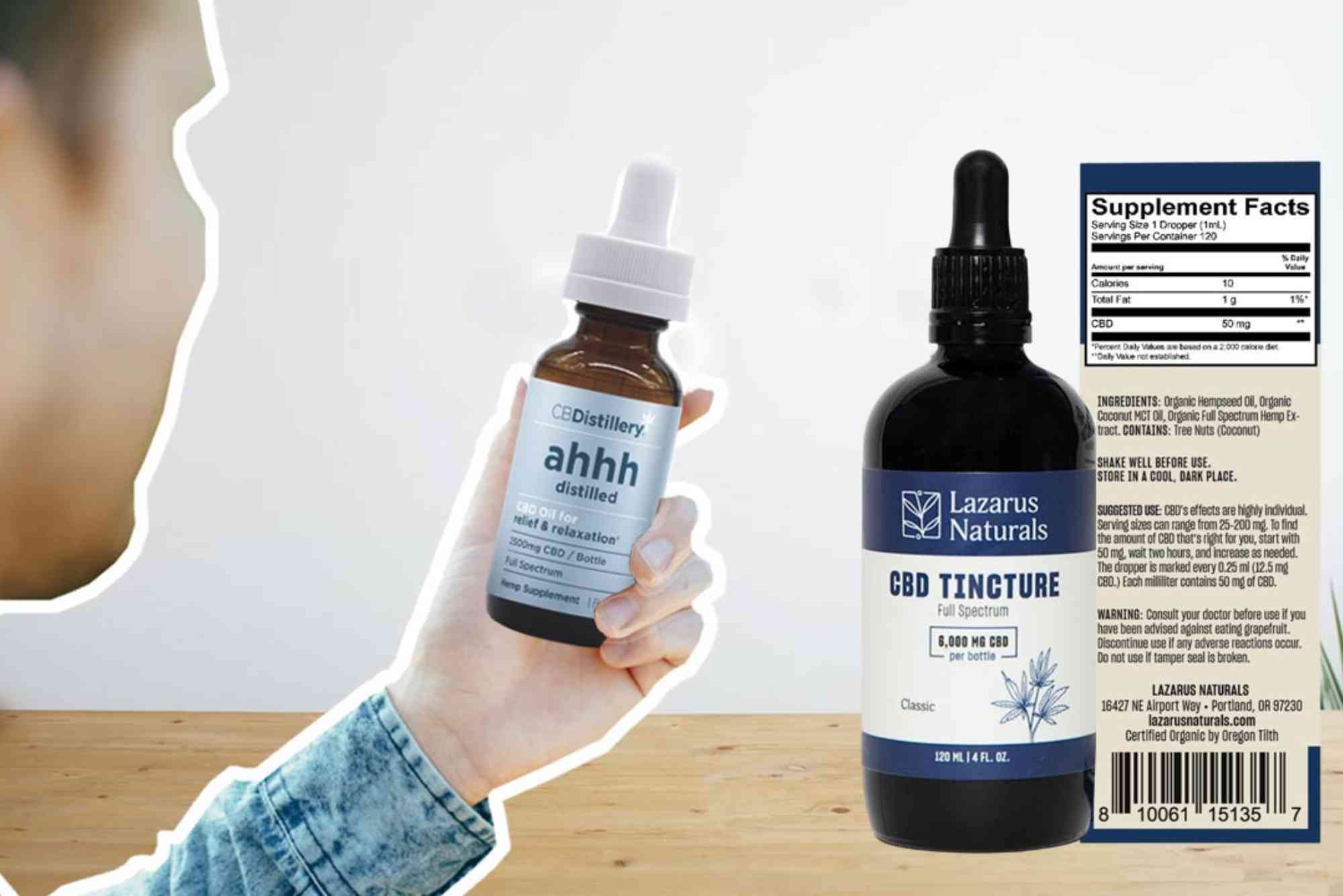
When you pick up a CBD product, the label is your primary source of information. It tells you the concentration of CBD, other cannabinoids, ingredients, batch number, and storage instructions. Each part of the label serves a specific purpose.
Product Name and CBD Type
The label should clearly state the product type—oil, capsule, cream, or edible. It should also mention whether it is full-spectrum, broad-spectrum, or CBD isolate. Full-spectrum contains CBD along with trace cannabinoids, broad-spectrum removes THC, and CBD isolate is pure cannabidiol. In the UAE, products with THC are typically prohibited, so verifying the type is critical.
CBD Content and Concentration
CBD strength is often displayed in milligrams (mg) per bottle or per serving. This information tells you how potent the product is. For example, a 30 ml bottle with 600 mg CBD has 20 mg per ml. Beginners may want lower strengths, while experienced users may prefer higher concentrations. Always ensure the listed concentration matches your intended dosage.
Ingredient List
Ingredients provide a clear view of what you are consuming. Alongside CBD, you may find carrier oils like MCT or hemp seed oil, flavorings, or botanical extracts. In the UAE, the inclusion of THC—even in trace amounts—can be illegal, so confirm that the ingredient list is compliant with local laws. Look out for allergens or additives you may want to avoid.
Batch Number and Expiry Date
A trustworthy CBD product will display a batch number for traceability and an expiry date for freshness. The batch number allows you to track the product back to its manufacturing details, while the expiry date ensures the CBD maintains its potency and safety. Products past their expiration may lose effectiveness.
Directions for Use
A quality CBD product label will include dosage instructions and usage recommendations. This section may also include warnings about not exceeding the recommended dose, keeping the product out of reach of children, or consulting a healthcare provider before use. Following these instructions helps prevent misuse.
Storage Instructions
CBD can degrade if exposed to heat, light, or moisture. Labels often suggest storing the product in a cool, dark place. In the UAE, where temperatures can be extreme, proper storage is essential to preserve quality.
Understanding Lab Test Reports (COAs)
In reputable markets, CBD products often come with a Certificate of Analysis (COA) from an independent lab. While not always on the physical label, a QR code or website link may direct you to these reports. A COA confirms cannabinoid content, verifies the absence of THC (if required), and ensures no harmful contaminants are present. For UAE consumers, checking the COA is an added layer of protection.
How to Read a COA
A COA lists cannabinoids, including CBD, THC, CBG, and others. It should show “ND” (non-detectable) next to THC in compliance with UAE law. It also tests for pesticides, heavy metals, solvents, and microbial contaminants. If the COA is missing or vague, treat it as a red flag.
Common CBD Label Terms and What They Mean
CBD labels often include industry-specific terms. Understanding them can help you avoid confusion and make better choices.
- Hemp Extract – The concentrated form of cannabinoids and terpenes from hemp.
- Cannabidiol (CBD) – The primary non-psychoactive cannabinoid in hemp.
- THC-Free – Indicates no detectable tetrahydrocannabinol, which is crucial in the UAE.
- Third-Party Tested – Means the product has been verified by an independent lab.
- Organic – Refers to hemp grown without synthetic pesticides or fertilizers.
CBD Label Compliance in the UAE
CBD products in the UAE must meet high regulatory standards. Labels should not make unverified medical claims, misrepresent CBD content, or omit critical safety warnings. Importantly, they must comply with UAE’s prohibition on THC in consumable products. Even cosmetic CBD items, such as creams, must clearly list all ingredients and concentrations.
Tips for Safe CBD Shopping in the UAE
When buying CBD in the UAE, prioritize products from reputable suppliers who provide complete label information and COAs. Avoid products with vague descriptions or no listed CBD concentration. Research the brand’s reputation and read reviews from other UAE consumers. Be cautious with online purchases, as not all overseas sellers understand UAE regulations.
Potential Red Flags in CBD Labels
Some CBD products may use misleading labeling to appear compliant or more potent than they are. Watch for terms like “hemp oil” without CBD concentration listed, as hemp seed oil is not the same as CBD oil. CBD Label Reading Beware of products claiming “miracle cures” or using health claims not backed by scientific evidence. Also, be alert if the product does not mention THC content, as this could mean it has not been tested.
Why Reading CBD Labels Prevents Legal Risks
In the UAE, possession of products containing THC—even in small amounts—can have serious legal consequences. By carefully reading CBD labels and COAs, you can confirm the product is THC-free. This simple step protects you from accidental violations of the law.
Frequently Asked Questions
Is CBD legal in the UAE?
CBD is regulated in the UAE, and products must comply with strict laws, especially concerning THC. Some CBD items are allowed for medical or cosmetic purposes if THC-free.
How do I know if my CBD product is THC-free?
Check the label for “THC-Free” or “0.0% THC” and review the COA. The THC content should be marked as non-detectable.
What is the difference between hemp oil and CBD oil?
Hemp oil (from seeds) does not contain CBD. CBD oil is made from hemp extract containing cannabinoids.
Why is the batch number important?
The batch number allows you to trace the product back to its manufacturing details, ensuring quality control and safety.
Do CBD labels show dosage information?
Yes, reputable labels will show CBD content per serving and total CBD in the package.
CBD label reading in UAE is more than just scanning for the word “CBD.” It involves checking for type, concentration, ingredients, THC content, and batch information, as well as verifying COAs when available. By understanding each part of a CBD label, you protect your health, ensure compliance with UAE laws, and make better purchasing decisions. Always buy from trusted brands, read labels thoroughly, and never assume a product is safe or legal without confirmation. Your safety, legality, and wellness depend on it—so the next time you pick up a CBD product, take the time to read and understand the label before using it.