Introduction
The year 2018 marked a turning point in California’s approach to vaping. Lawmakers responded to rising concerns about youth vaping while attempting to promote safer alternatives for adult smokers. California vaping laws 2018 introduced stricter age restrictions, marketing limitations, and sales regulations. These measures reflect a broader public health strategy: reduce smoking-related harm while preventing nicotine addiction among teens.
California’s legislative efforts aimed to harmonize vaping regulations with existing tobacco laws. The state recognized the potential benefits of e-cigarettes as a harm reduction tool but emphasized the need for robust oversight to prevent misuse. For a complete view of the official statutes, visit California Legislative Information — 2018 smoking & vaping statutes.
Key Provisions of California Vaping Laws 2018
Minimum Age Requirement
One of the most significant changes was the establishment of a minimum legal age for purchasing vaping products. Individuals under 21 were prohibited from buying e-cigarettes, vape liquids, and related devices. This policy aligns with broader federal efforts to reduce youth exposure to nicotine. Retailers face severe penalties for noncompliance, including fines and potential license suspension.
Marketing and Advertising Restrictions
California also imposed strict rules on vaping product marketing, especially targeting minors. Ads featuring cartoon characters, youth-oriented imagery, or misleading health claims were banned. The law discourages promotions in venues frequented by teenagers, such as social media platforms popular with young users. These restrictions aim to prevent early nicotine addiction and protect public health.
Restrictions on Flavored Products
Flavored vaping products, often cited as appealing to youth, faced increased scrutiny. Certain flavors, including candy- and fruit-themed options, were restricted in physical stores accessible to minors. This measure acknowledges research showing flavors can encourage experimentation among adolescents. While adult users can still access flavored products, retailers must ensure compliance with age verification protocols.
Public Use Limitations
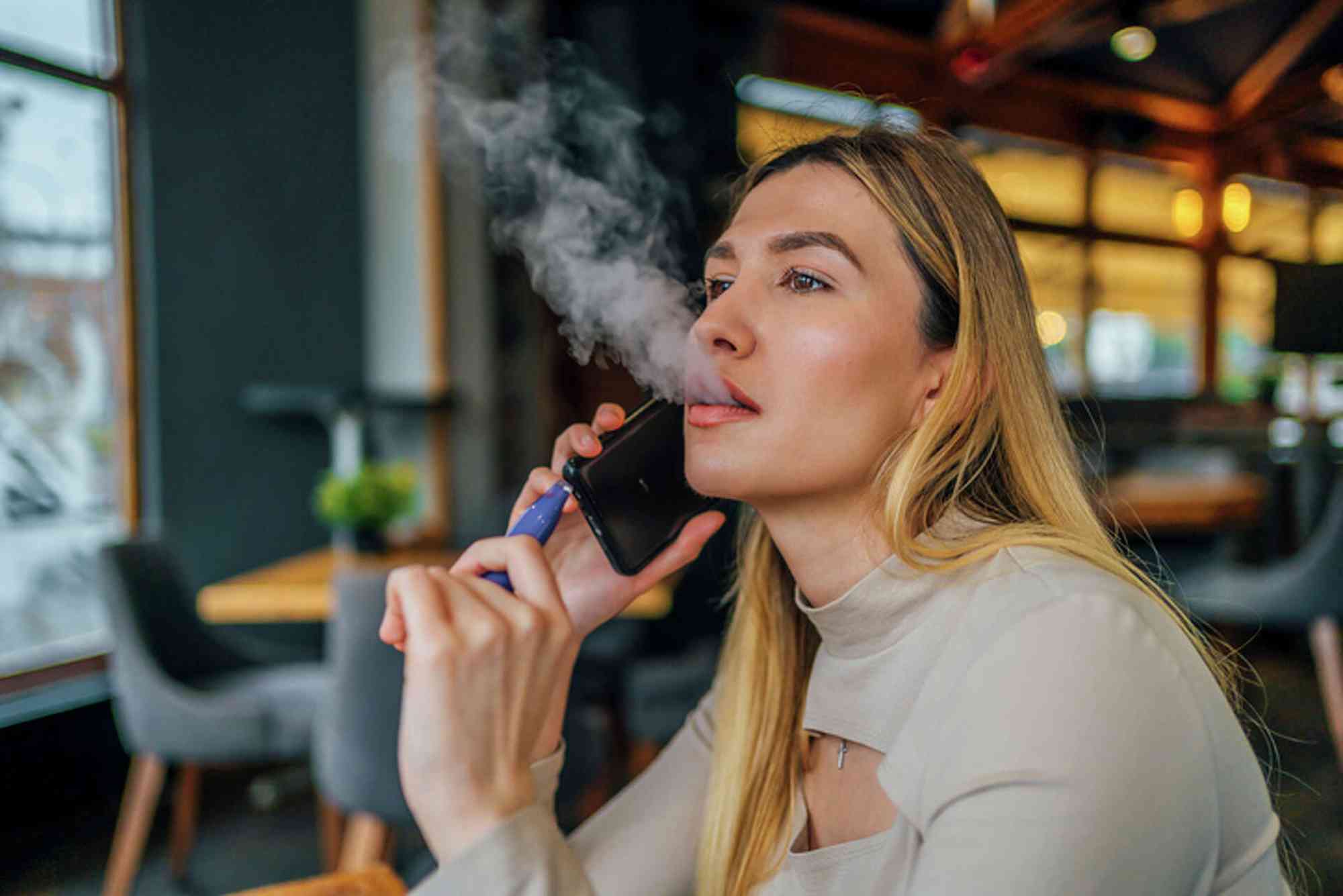
California vaping laws 2018 extended smoke-free restrictions to vaping in public spaces. Many indoor areas, such as restaurants, schools, and public transportation, prohibit e-cigarette use. The law treats vaping similarly to traditional smoking, reflecting concerns about secondhand aerosol exposure and its potential health effects.
Retail Licensing and Compliance
Retailers selling vaping products must obtain state-issued licenses and comply with inspection protocols. Failure to adhere to labeling, packaging, and age verification requirements can lead to fines and legal consequences. This regulatory framework ensures that the vaping market operates transparently and responsibly.
Impact on Harm Reduction
Encouraging Adult Smokers to Switch
California’s regulations acknowledge vaping as a potential harm reduction tool for adult smokers. By enforcing safe marketing and age restrictions while allowing adult access, the laws aim to reduce the harms of combustible tobacco. Vaping offers a lower-risk alternative to traditional cigarettes, potentially decreasing smoking-related illnesses over time.
Protecting Youth from Nicotine Addiction
A core goal of California vaping laws 2018 is youth protection. Raising the legal age and limiting flavors and marketing helps prevent the initiation of nicotine use among teenagers. Early intervention is key to reducing long-term addiction rates, aligning with broader public health objectives.
Data Collection and Research Support
The 2018 laws also support research by requiring reporting on sales and marketing practices. These data help policymakers assess the impact of regulations and refine strategies to maximize harm reduction while minimizing risks. California’s approach encourages evidence-based policymaking.
Challenges and Criticisms
While these laws provide significant protections, they are not without critics. Some argue that overly restrictive policies may push adult users back to combustible cigarettes, undermining harm reduction. Others highlight enforcement challenges, especially online sales that may bypass age verification. Balancing protection for minors with adult harm reduction remains a central debate.
Looking Ahead: Future of Vaping Regulation in California
Potential Policy Expansions
Legislators continue to monitor vaping trends, considering stricter flavor bans, advertising restrictions, and tax policies. Emerging research on vaping health impacts may influence future amendments, potentially strengthening public health protections further.
Role in National Harm Reduction Strategies
California often serves as a model for national policy. Its approach to vaping regulation influences federal discussions on harm reduction, youth protection, and adult smoking alternatives. By demonstrating practical applications of vaping laws, the state shapes how other jurisdictions balance safety and harm reduction.
Integration with Tobacco Control Programs
Future policies are likely to integrate vaping regulations with broader tobacco control programs. Combining cessation support, public education, and age enforcement creates a more comprehensive harm reduction strategy. California’s proactive stance sets a precedent for multi-faceted public health initiatives.
California vaping laws 2018 represent a critical step in regulating e-cigarettes responsibly. By restricting youth access, limiting harmful marketing, and supporting adult harm reduction, these laws aim to create a balanced public health approach. The legislation demonstrates that careful regulation can reduce risks while still allowing smokers access to safer alternatives.
For individuals interested in vaping safely or understanding the legal landscape, staying informed about current and future regulations is essential. Explore California Legislative Information — 2018 smoking & vaping statutes for detailed guidance and compliance resources.
FAQs
What is the legal age for vaping in California?
The minimum age to purchase e-cigarettes and vape products is 21. Retailers must verify ID.
Are flavored vaping products allowed in California?
Certain flavors are restricted for sale to minors, but adults can access them in compliant stores.
Can you vape in public places in California?
No, many indoor public spaces, including restaurants and schools, prohibit vaping.
Do retailers need a license to sell vaping products?
Yes, a state-issued license is required, along with adherence to age verification and labeling laws.
How do California vaping laws support harm reduction?
They encourage adult smokers to switch to lower-risk alternatives while protecting youth from nicotine addiction.
Where can I read the official 2018 vaping laws?
You can access the full statutes at California Legislative Information — 2018 smoking & vaping statutes.