Introduction
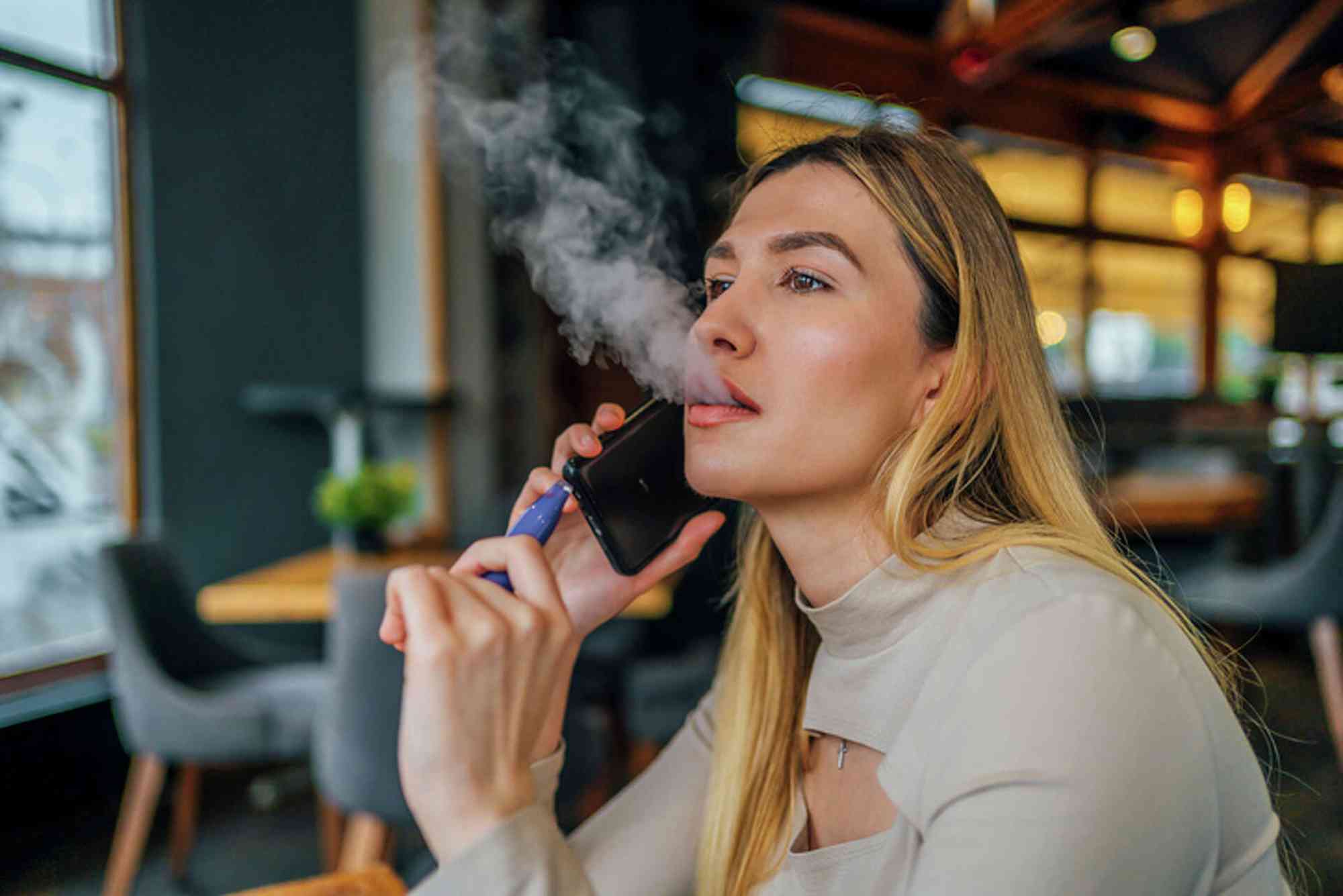
The rise of vape culture has brought significant shifts in public health conversations. Among these changes, vape cafes have emerged as social hubs where adults can enjoy vaping in a controlled environment. As the popularity of these establishments grows, so does the need to examine their regulation. The law on vapes cafes – how it shapes the future of harm reduction is increasingly becoming a critical topic for policymakers, health experts, and entrepreneurs alike.
Understanding the legal landscape surrounding vape cafes is essential. It not only influences the business environment but also plays a significant role in shaping public health outcomes. By exploring current legislation, the rationale behind regulations, and the potential implications for harm reduction, we can better understand how vape cafes fit into the larger health policy framework.
The Emergence of Vape Cafes
Vape cafes are a relatively new concept, combining the social aspects of traditional cafes with a safe environment for vaping. Unlike smoking lounges, vape cafes provide an alternative to tobacco use, offering flavored e-liquids, nicotine-free options, and sometimes educational sessions on vaping. These venues have become particularly appealing to adult smokers seeking to reduce or quit traditional cigarettes.
The development of vape cafes is part of a broader trend in harm reduction strategies. Harm reduction aims to minimize the negative health effects of risky behaviors rather than eliminating the behaviors entirely. For many smokers, switching to vaping reduces exposure to harmful chemicals found in combustible tobacco. This approach has sparked both enthusiasm and concern among health authorities, especially regarding the regulation of vape cafes.
Understanding the Law Surrounding Vape Cafes
The law on vapes cafes – how it shapes the future of harm reduction varies across jurisdictions. Most countries have implemented regulations focusing on age restrictions, product safety, advertising limitations, and indoor air quality. For instance, some regions allow vape cafes to operate only with strict adherence to age verification laws, ensuring minors are not exposed to nicotine products.
Age Restrictions and Access Control
One of the core legal requirements for vape cafes is enforcing age limits. In many countries, individuals under 18 or 21 are prohibited from purchasing or using vaping products. Compliance with these age restrictions is essential to prevent underage exposure to nicotine, which can have long-term health effects.

Indoor Air Quality and Public Spaces
Another critical aspect of regulation concerns indoor air quality. Vape cafes must ensure proper ventilation to protect employees and customers from secondhand aerosol exposure. Some laws even dictate where vaping is allowed within commercial establishments, aligning with broader smoking legislation. These regulations strike a balance between creating a welcoming social environment and safeguarding public health.
Product Standards and Safety
Regulation also extends to the quality of vaping products served in cafes. Laws often require manufacturers and distributors to comply with strict product safety standards, including ingredient disclosure, nicotine limits, and device safety. By enforcing these standards, authorities aim to reduce the risk of accidental poisoning, fires, or other hazards associated with vaping products.
Impact on Public Health and Harm Reduction
The legal framework for vape cafes directly influences public health outcomes. By providing regulated spaces for adult vaping, these establishments can contribute to harm reduction efforts. Research suggests that switching from traditional cigarettes to vaping can significantly reduce exposure to harmful chemicals. In this context, vape cafes serve as controlled environments where adults can access safer alternatives to smoking.
Supporting Smoking Cessation
Vape cafes can function as informal support hubs for individuals looking to quit smoking. Staff and resources often provide guidance on transitioning from tobacco to e-cigarettes, offering insights into product selection, nicotine levels, and usage patterns. With proper regulation, these venues complement broader public health initiatives by promoting safer alternatives to combustible tobacco.
Reducing Public Exposure to Smoke
Another benefit of vape cafes is the reduction of public exposure to secondhand smoke. By offering designated spaces for vaping, the law can help protect non-smokers while still allowing adults to enjoy nicotine products. This separation aligns with broader efforts to maintain clean public spaces and minimize health risks associated with passive exposure.
Economic and Social Considerations
Beyond health, the regulation of vape cafes also has economic and social implications. Legal frameworks create a structured environment where entrepreneurs can safely operate, contributing to local economies and job creation. Additionally, vape cafes often foster social interaction among adults, offering a community space similar to traditional coffee shops or bars.
However, overly restrictive regulations may stifle innovation and limit harm reduction potential. Policymakers must balance public health concerns with the economic benefits and social value of vape cafes. Thoughtful legislation can support safe business operations while ensuring these venues contribute positively to community well-being.
International Perspectives on Vape Cafe Legislation
Examining global approaches to vape cafe regulation provides insights into potential best practices. For example, in the United Kingdom, guidance under Local public-health / hospitality regulation (example: UK hospitality guidance) ensures that vaping establishments adhere to strict safety, hygiene, and age compliance standards. The UK model emphasizes adult access control, product safety, and public health monitoring, serving as a potential blueprint for other countries.
In contrast, some nations maintain more restrictive approaches, limiting or outright banning indoor vaping establishments. These differences highlight the ongoing debate about the appropriate balance between adult freedom, public health, and harm reduction strategies.
Lessons Learned from Different Jurisdictions
Countries that have embraced regulated vape cafes often report several benefits: reduced smoking rates, increased awareness of safer alternatives, and the establishment of clear legal frameworks for businesses. Conversely, restrictive policies may push vaping underground, limiting oversight and potentially increasing health risks. Policymakers can learn from these international experiences to design balanced, evidence-based regulations.
The Role of Education and Public Awareness
Legislation alone cannot fully achieve harm reduction objectives. Education and public awareness are essential components of an effective strategy. Vape cafes can serve as platforms for health education, providing accurate information about nicotine, vaping risks, and cessation resources. By combining legal compliance with educational initiatives, these establishments can actively contribute to harm reduction.
Training Staff and Informing Customers
Well-trained staff play a pivotal role in ensuring safe vaping practices. Education on proper device use, nicotine management, and potential health impacts can prevent misuse and support adults in making informed choices. Regulatory frameworks that require staff training enhance public safety while promoting responsible consumption.
Engaging the Community
Community engagement is also important. Vape cafes that participate in local health campaigns or collaborate with public-health organizations help integrate harm reduction efforts into the broader public health landscape. Such partnerships strengthen credibility, encourage compliance, and promote a culture of informed choice.
Challenges and Controversies
Despite their potential benefits, vape cafes face several challenges. Public perception, conflicting regulations, and concerns about youth exposure can complicate the legal landscape. Critics argue that these venues may normalize nicotine use or act as gateways to smoking for younger populations.
Balancing these concerns with the goal of harm reduction requires nuanced policy-making. Evidence-based research, transparent communication, and ongoing monitoring are critical to addressing potential risks while preserving the benefits of regulated vape cafes.
Navigating Conflicting Regulations
In regions with overlapping tobacco and vaping laws, vape cafes may encounter compliance challenges. Ambiguities in legislation regarding indoor vaping, advertising, or product standards can create legal risks for business owners. Clear, consistent regulation is essential to ensure that vape cafes operate safely and effectively within the law.
Monitoring and Enforcement
Effective harm reduction relies on proper enforcement of regulations. Authorities must monitor age compliance, product safety, and air quality standards to maintain public trust. Without rigorous oversight, the harm reduction potential of vape cafes may be compromised, undermining the goals of public health policy.
Future Outlook: Harm Reduction and Legal Evolution
The law on vapes cafes is likely to evolve as new research, public health priorities, and social trends emerge. Future legislation may focus on standardizing safety protocols, expanding access to cessation support, and integrating vape cafes into comprehensive harm reduction strategies.
Policymakers are increasingly recognizing that regulated, adult-focused vaping environments can serve as valuable tools for public health. By balancing safety, accessibility, and social responsibility, the law can shape the future of harm reduction positively.
Embracing Innovation in Harm Reduction
As technology and research progress, vape cafes may offer innovative harm reduction solutions. These could include personalized nicotine delivery systems, virtual cessation support, and community-driven education programs. Forward-thinking regulations will be essential to harness these opportunities while maintaining public safety.
Collaboration Between Stakeholders
Collaboration between public-health authorities, industry stakeholders, and consumers will play a key role in shaping effective legislation. Engaging all parties ensures that regulations are practical, enforceable, and focused on reducing harm rather than penalizing responsible adults.
The law on vapes cafes – how it shapes the future of harm reduction highlights the intersection of public health, social behavior, and business regulation. By providing a legal framework for safe, adult-focused vaping environments, policymakers can promote smoking cessation, reduce public exposure to harmful substances, and support a growing industry.
Vape cafes offer more than a social venue; they represent a tangible harm reduction strategy. With thoughtful legislation, ongoing education, and community engagement, these establishments can contribute meaningfully to public health while respecting adult choice.
The future of harm reduction depends on balancing safety, accessibility, and innovation. As research continues to inform policy, vape cafes are poised to play a significant role in shaping healthier behaviors. If you are an entrepreneur, policymaker, or health professional interested in advancing harm reduction, consider exploring the legal frameworks for vape cafes and how they can promote safer alternatives to smoking. Stay informed, collaborate with public health experts, and contribute to a future where harm reduction is both effective and accessible.
FAQ
Are vape cafes legal everywhere?
Vape cafe legality varies by country and region. Many places allow operation under strict age, product safety, and indoor air regulations.
How do vape cafes contribute to harm reduction?
By providing regulated, adult-only spaces for vaping, vape cafes help smokers switch from combustible cigarettes, reducing exposure to harmful chemicals.
What are the main regulations for vape cafes?
Common rules include age restrictions, product safety standards, indoor air quality requirements, and staff training on responsible consumption.
Can minors enter vape cafes?
No. Age verification laws typically prohibit individuals under 18 or 21 from entering or consuming vaping products.
How do vape cafes support smoking cessation?
They offer guidance, product options, and education on reducing nicotine consumption, helping smokers transition away from traditional cigarettes.