Introduction
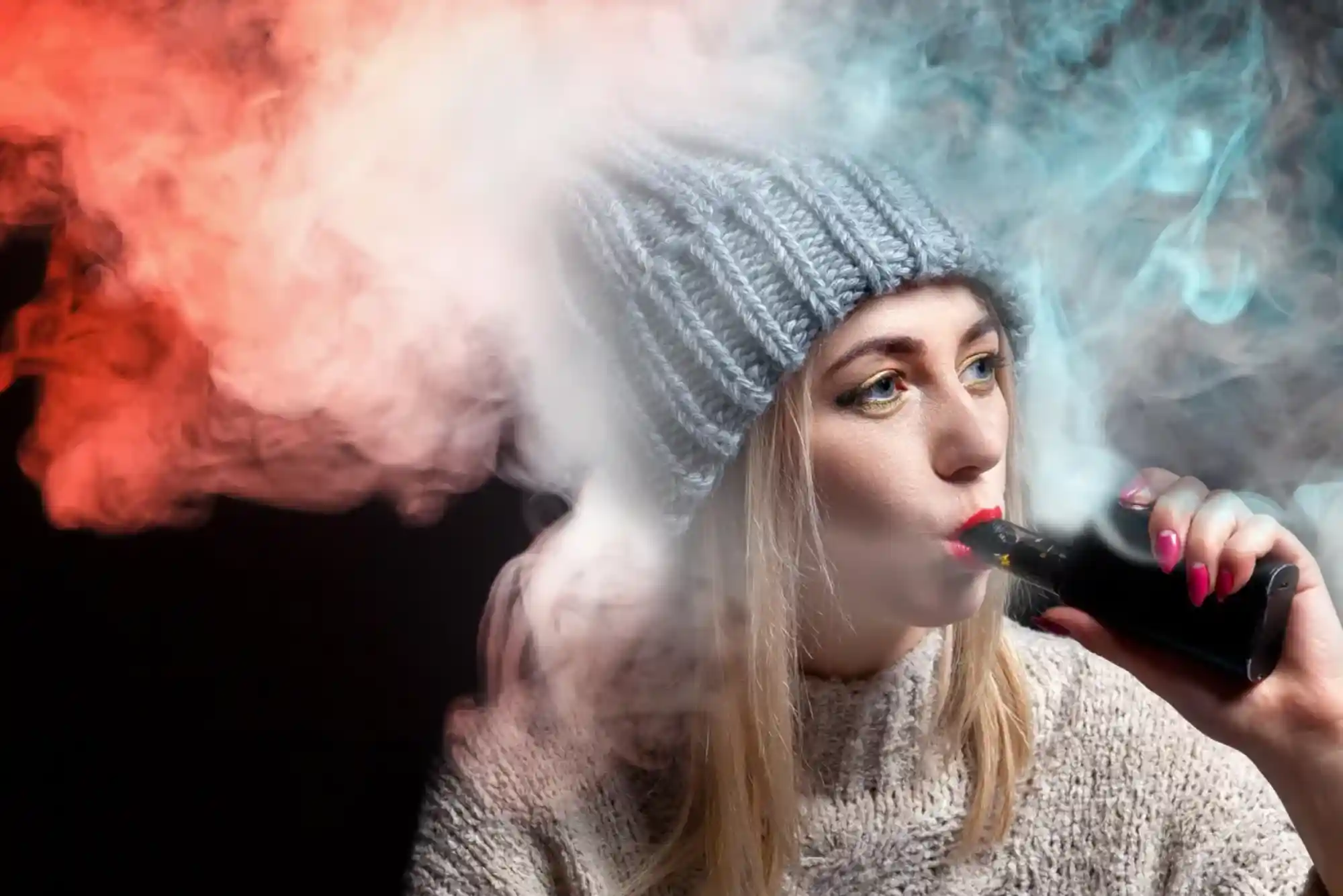
Vaping has transformed the tobacco landscape in the United States, offering smokers an alternative that many claim is safer than traditional cigarettes. Yet, despite its popularity, vaping remains one of the most misunderstood products, and Iowa has its own set of regulations that continue to spark debates. The Iowa vape laws 2021 introduced significant restrictions, aiming to protect minors and regulate the sale of e-cigarettes. However, myths surrounding these laws persist, leading to confusion among users, retailers, and public health advocates. In this article, we’ll break down the biggest vaping myths of 2025 and clarify what Iowa law really says.
Understanding Iowa Vape Laws 2021
The state of Iowa passed new legislation in 2021 addressing the sale, distribution, and use of vaping products. These laws were designed to align with federal guidelines and protect public health, especially among youth.
Age Restrictions and Sales Limitations
Iowa law prohibits the sale of vaping products to anyone under the age of 21. Retailers must verify the age of purchasers using government-issued identification. Violations can result in fines or suspension of business licenses. This law was implemented to curb the rise of teenage vaping, which remains a concern nationwide.
Product Regulations
Vaping products in Iowa must meet certain safety standards. This includes restrictions on nicotine concentration, labeling requirements, and the prohibition of certain flavorings that appeal primarily to minors. Many people mistakenly believe that all flavored vapes are banned, but the law specifically targets flavors that are deemed “kid-friendly,” such as candy or dessert flavors.
Taxation and Licensing
Vaping products are subject to state excise taxes, similar to traditional tobacco products. Retailers must acquire a license to sell e-cigarettes legally. Taxes and licensing fees help fund public health initiatives aimed at reducing smoking and vaping among minors.
For the official legislative text, you can refer to the Iowa Legislature — 2021 vaping law texts.

Vaping Is Completely Safe
A common misconception is that vaping poses no health risks. While e-cigarettes are often marketed as a safer alternative to smoking, research indicates that they are not risk-free. Vaping exposes users to nicotine, which is addictive, and some chemicals that can affect lung health. Iowa vape laws acknowledge this risk by enforcing strict age restrictions and labeling requirements to inform consumers about potential dangers.
Flavored Vapes Are Fully Banned
Many people believe that Iowa’s laws prohibit all flavored vaping products. In reality, the legislation focuses on flavors that are most likely to attract minors. Tobacco and menthol flavors remain legal, and certain adult-friendly flavors may still be available under regulated conditions. This distinction is important for both retailers and adult consumers who seek alternatives to traditional cigarettes.
Vaping Laws Only Affect Retailers
It’s easy to assume that vaping laws only regulate stores selling e-cigarettes, but Iowa’s laws also impact consumers. Adults caught distributing vaping products to minors can face legal penalties. Additionally, using vaping products in certain public spaces may be restricted, similar to smoking bans. The law’s reach extends beyond sales and into responsible usage, highlighting the state’s focus on public safety.
E-Cigarettes Don’t Contain Nicotine
Some individuals believe that all e-cigarettes are nicotine-free, which is false. Nicotine content varies by product, and even “nicotine-free” labeled vapes may contain trace amounts. Iowa’s laws require accurate labeling, ensuring consumers are aware of the nicotine levels in their products. Misunderstanding this can lead to unintentional addiction or health risks.
Vaping Helps Everyone Quit Smoking
While vaping is sometimes promoted as a smoking cessation tool, its effectiveness varies. Some smokers successfully transition to e-cigarettes, reducing exposure to harmful chemicals. Others may continue using both cigarettes and vapes, a behavior known as dual use. Iowa vape laws do not classify e-cigarettes as approved medical devices, meaning that their use as a quitting aid is not officially endorsed.
The Impact of 2021 Laws on Public Health
Since the introduction of Iowa vape laws 2021, public health advocates have noted both positive and challenging outcomes.
Reduced Teenage Vaping
Early studies suggest that age restrictions and flavor limitations have contributed to a slight decline in teenage vaping rates. Enforcement of ID checks in retail stores has been key to this reduction.
Ongoing Challenges
Despite legal measures, illicit sales and online purchases continue to pose risks. Teenagers may still access vaping products through unregulated channels, which often lack proper safety labeling.
Educating Consumers
Public education campaigns are essential to complement legislation. Iowa continues to fund programs that inform both adults and youth about the risks and legal requirements of vaping. Awareness helps reinforce compliance and reduces misconceptions about product safety.
Common Questions About Iowa Vape Laws
Can minors possess vaping products in Iowa?
No. Possession by anyone under 21 is illegal, even if purchased elsewhere. Violations can lead to fines or community service.
Are vape shops allowed to sell online in Iowa?
Yes, but online sales must comply with age verification and shipping regulations. Retailers must ensure buyers are of legal age.
What are the penalties for breaking Iowa’s vaping laws?
Penalties vary, including fines, license suspension, or legal action, depending on the severity of the violation. Selling to minors is considered a serious offense.
Do flavor bans apply to all vaping products?
No. Only flavors that primarily appeal to minors are restricted. Tobacco and menthol flavors remain widely available.
Are there public vaping bans in Iowa?
Yes. Many public spaces follow similar restrictions to traditional smoking bans, including schools, government buildings, and certain workplaces.
Busting Myths to Stay Compliant
Understanding the difference between perception and legal reality is crucial. Many myths about vaping stem from outdated information or exaggerated claims. By staying informed about the Iowa vape laws 2021, consumers and retailers can make responsible choices while avoiding legal trouble.
Vaping continues to evolve, and myths about its safety and legality can create confusion. Iowa’s 2021 vaping laws address these concerns through age restrictions, product regulations, and public education. While vaping may offer alternatives to traditional smoking, it is not without risks, and compliance with the law remains essential.