
Introduction
Vaping has grown rapidly across the United States, and Kentucky is no exception. With more people turning to e-cigarettes, misconceptions abound. Many myths about vaping persist, especially in 2025, fueled by social media and outdated information. This guide will break down the most common myths, explain the reality, and highlight vaping laws in Kentucky. Whether you are a first-time vaper or simply curious, understanding the facts is essential.
Understanding Vaping in Kentucky
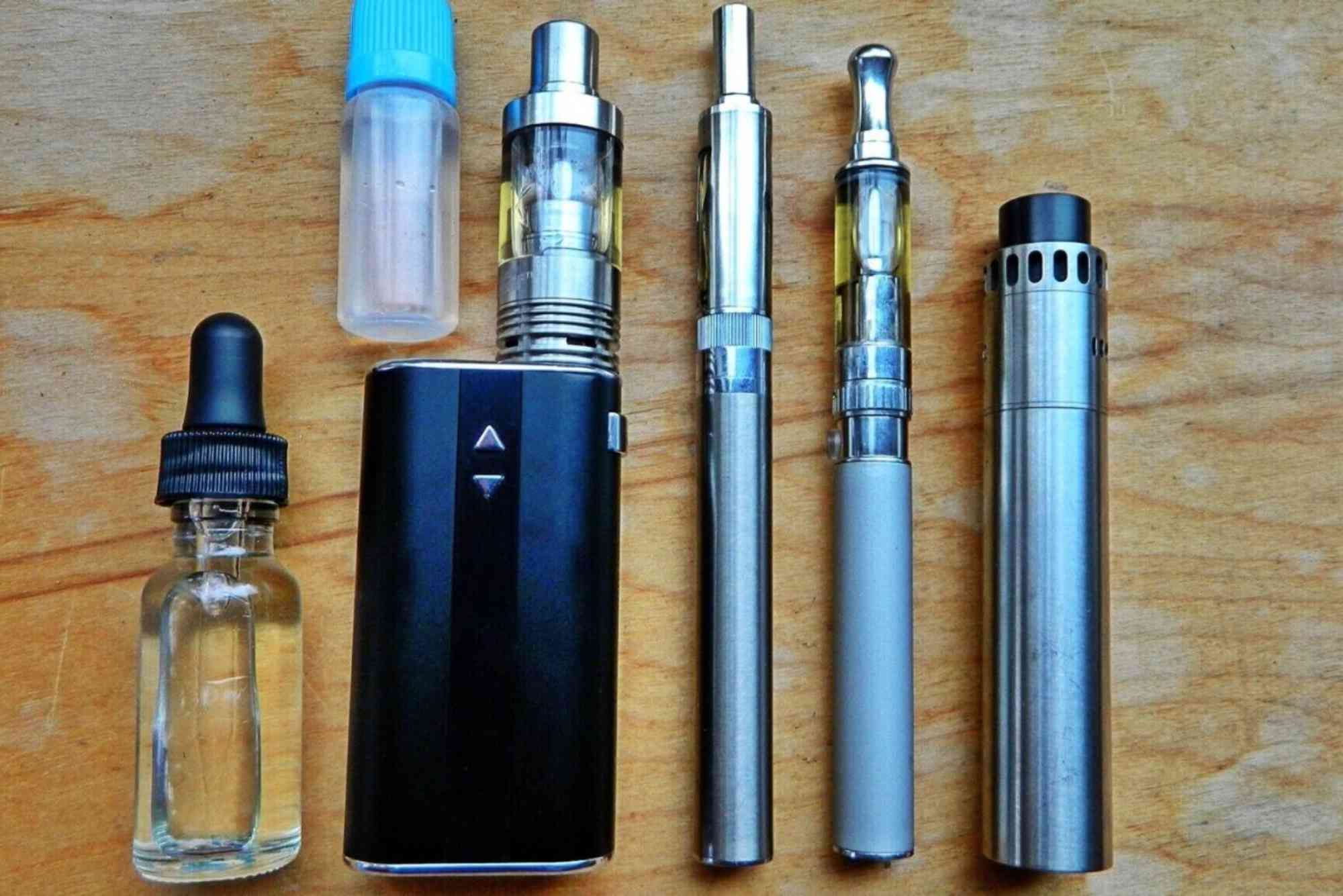
Vaping involves inhaling vapor produced by e-cigarettes or similar devices. Unlike traditional cigarettes, e-cigarettes do not burn tobacco. Instead, they heat a liquid, often containing nicotine, flavorings, and other chemicals. Kentucky has seen a steady increase in vaping, particularly among young adults and teens. While vaping is sometimes considered a safer alternative to smoking, it is not risk-free.
Legal Landscape of Vaping in Kentucky
Kentucky has specific regulations governing the sale and use of e-cigarettes. The state enforces age restrictions and prohibits sales to anyone under 21. Public vaping laws also vary; vaping is banned in certain enclosed public areas, similar to smoking laws. For detailed guidance, you can refer to the Kentucky Cabinet for Health & Family Services — vaping resources.
The Rise of Vaping Myths
Many myths about vaping persist despite scientific research and government regulations. Misconceptions often arise from outdated studies, personal anecdotes, or sensationalized media coverage. Understanding these myths is critical for responsible vaping and informed decision-making.
Common Vaping Myths in 2025
Vaping is Completely Harmless
Many believe that e-cigarettes are entirely safe. While vaping may reduce exposure to harmful chemicals found in traditional cigarettes, it is not risk-free. E-cigarette vapor can contain nicotine, heavy metals, and other toxic substances. Long-term health effects are still under study. Nicotine, especially, can impact brain development in teens and young adults.
Vaping Helps Everyone Quit Smoking
Vaping is sometimes promoted as a cessation tool, but it doesn’t guarantee success. Some smokers do find e-cigarettes helpful, while others continue dual-use or revert to traditional cigarettes. Behavioral support, counseling, and evidence-based nicotine replacement therapies are often more effective.
Vapes Don’t Contain Nicotine
Not all e-liquids are nicotine-free. Many products on the market contain high concentrations of nicotine, which can be addictive. Always check product labels carefully, especially if purchasing online or from informal sources.
Vaping Is Safe for Teens
Despite marketing targeting younger audiences, vaping is not safe for teens. Nicotine exposure can harm brain development, memory, and attention. Kentucky enforces strict age limits, and parents, educators, and healthcare providers play a key role in prevention.
All Vaping Products Are Regulated
While the FDA regulates some e-cigarettes, many products fall outside full oversight. Unregulated or counterfeit products may contain harmful ingredients. Choosing reputable, regulated brands reduces risk but does not eliminate it entirely.
Health Considerations
Understanding the potential health implications of vaping is essential. Short-term effects may include throat irritation, coughing, and nausea. Long-term effects are still being researched, though nicotine dependence and respiratory issues are concerns. Quitting or reducing vaping is recommended for non-smokers, teens, and pregnant individuals.
Nicotine Addiction and Dependence
Nicotine is highly addictive, and frequent vaping can lead to dependence. Signs include cravings, irritability, and difficulty concentrating. Using lower-nicotine products and monitoring usage can help reduce risks.
Respiratory and Cardiovascular Risks
Although e-cigarettes eliminate some harmful chemicals found in smoke, studies show that vaping can affect lung and heart health. Chronic exposure to certain flavoring chemicals may cause inflammation or respiratory irritation over time.
Vaping Laws and Enforcement in Kentucky
Kentucky law mirrors federal regulations in many respects, including age restrictions and product safety standards. Schools, workplaces, and public buildings may have their own vaping rules. Violations can result in fines or confiscation of devices.
Public Spaces and Workplace Rules
Vaping is banned in enclosed public areas where smoking is prohibited. Employers and local authorities may enforce additional restrictions, making it important to stay informed about local ordinances.
Buying Vaping Products Legally
Only licensed retailers can sell e-cigarettes in Kentucky. Purchasing online from unverified sources can lead to legal issues and unsafe products. Always verify the seller’s credibility and age verification policies.
Debunking Social Media Myths
Social media spreads misinformation quickly. Viral posts claiming miraculous benefits or dangers are often exaggerated or inaccurate. Relying on verified sources, such as government health departments or peer-reviewed studies, ensures accurate information.
Safe Vaping Practices
Even if you choose to vape, adopting safe practices is essential:
- Buy from reputable retailers.
- Check nicotine content and ingredients.
- Avoid modifying devices or using homemade liquids.
- Do not vape around children, pets, or pregnant individuals.
Vaping in Kentucky has grown in popularity, but myths and misinformation persist. Understanding legal restrictions, health risks, and safe practices is essential for responsible use. Staying informed through reliable sources, like the Kentucky Cabinet for Health & Family Services — vaping resources, helps you make educated decisions. Whether you vape to quit smoking or choose not to vape at all, knowing the facts is crucial.
Take charge of your health today. Learn the facts, follow local laws, and make safer choices regarding vaping in Kentucky.
FAQs
Is vaping legal in Kentucky for minors?
No. You must be 21 or older to purchase or use e-cigarettes in Kentucky.
Can vaping help me quit smoking?
Some people use vaping to reduce cigarette use, but results vary. Professional support increases success rates.
Are all e-liquids nicotine-free?
No. Many e-liquids contain nicotine. Always read labels carefully.
Where can I find official vaping resources in Kentucky?
You can access verified information at the Kentucky Cabinet for Health & Family Services — vaping resources.
Is vaping safe for teens?
No. Nicotine can harm developing brains, making vaping unsafe for minors.
Are flavored vapes legal in Kentucky?
Some flavored products are restricted. Check state laws and federal regulations for updates.
This article ensures you are equipped with accurate, up-to-date information to navigate vaping responsibly in Kentucky in 2025.


