Introduction
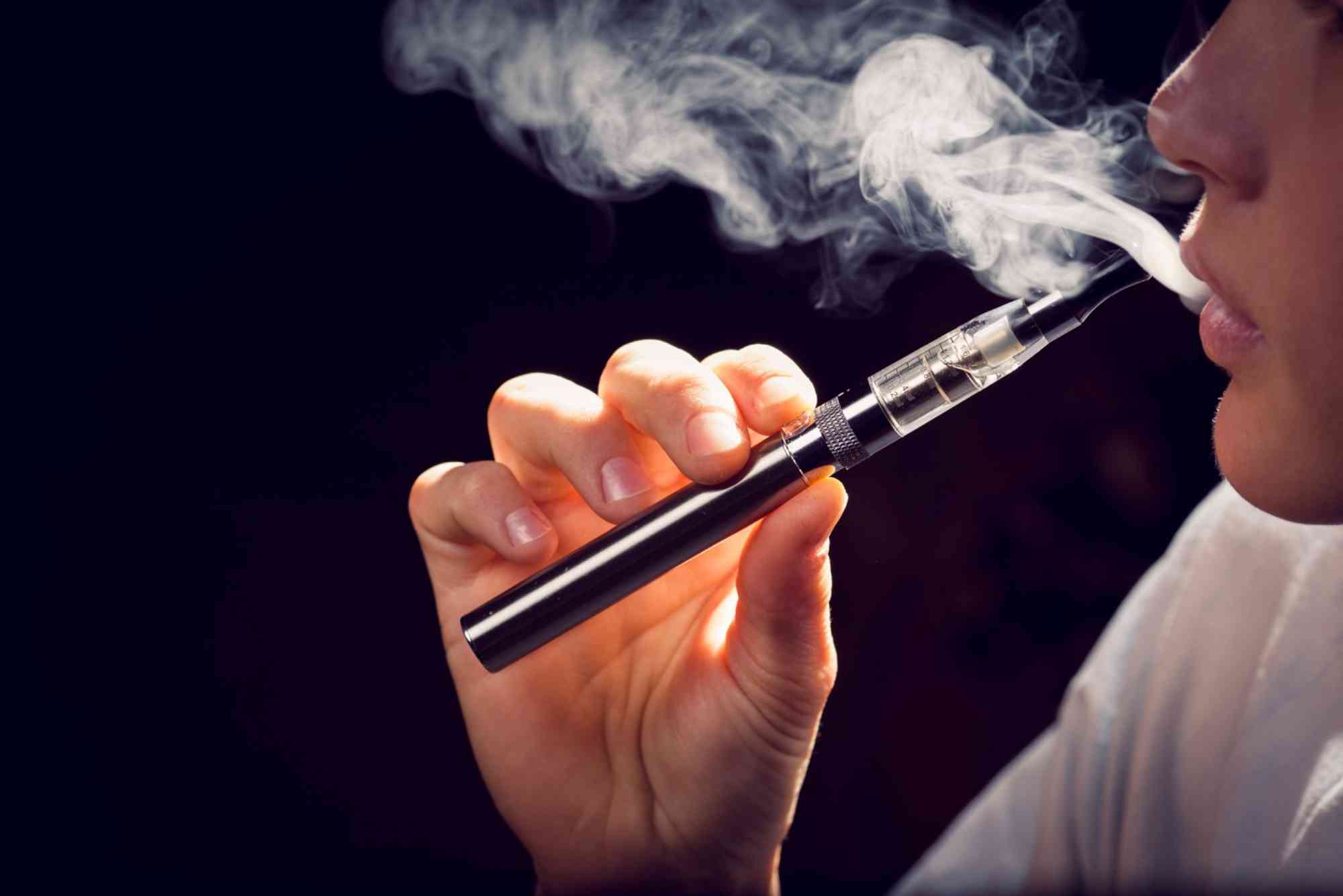
Vaping has become a mainstream alternative to smoking in the UK, celebrated for its potential to reduce harm compared to traditional cigarettes. However, the landscape is about to shift as UK vaping laws face upcoming changes. These new regulations are designed to ensure safety, limit youth access, and shape the future of harm reduction. Understanding these changes is crucial for vapers, retailers, and public health advocates alike.
Understanding UK Vaping Laws
Current Legal Framework
The UK currently regulates vaping under the Tobacco and Related Products Regulations 2016. These rules set limits on nicotine strength, restrict marketing to minors, and require childproof packaging. Devices and e-liquids must meet safety standards, ensuring that vapers can access regulated products rather than untested alternatives.
Why Change Is Needed
Despite the robust framework, authorities recognize gaps in enforcement and emerging trends. Rising concerns include underage vaping, unregulated online sales, and the long-term health impacts of new vaping products. The government aims to create a more balanced approach that protects public health without undermining the harm reduction benefits vaping offers smokers looking to quit.
Key Proposed Changes
Stricter Nicotine Limits
Nicotine limits may become more stringent for certain products. This is intended to reduce addiction potential among new users, particularly youth, while ensuring adult smokers can still access products that help them quit.
Packaging and Marketing Regulations
New laws may impose stricter advertising restrictions and standardized packaging. This prevents youth-targeted marketing while maintaining transparency for adult consumers. The focus is on eliminating promotional tactics that could glamorize vaping to minors.
Device Safety Standards
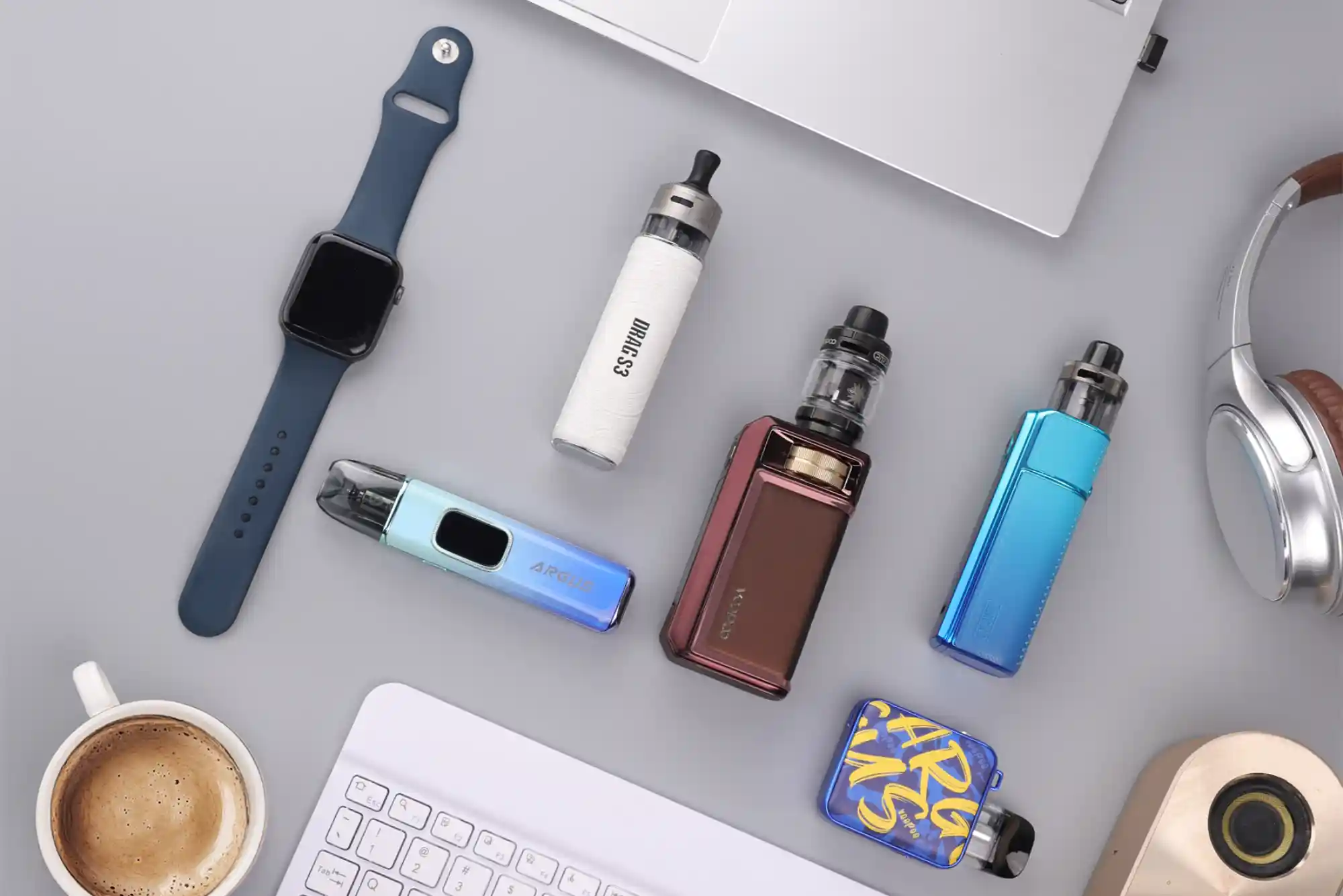
Future regulations may require even higher safety standards for vaping devices. Manufacturers could be mandated to conduct more rigorous testing to prevent malfunctions, battery explosions, or exposure to harmful chemicals. This ensures safer, more reliable products in the market.

Retailer Accountability
Retailers will likely face stricter rules to prevent sales to minors and unlicensed sellers. These measures could include mandatory ID verification systems and penalties for violations, ensuring compliance throughout the supply chain.
Flavour Restrictions
Flavoured e-liquids, popular among younger users, may be restricted in certain contexts while remaining accessible for adult vapers. Policymakers aim to balance appeal for adult smokers switching to vaping against preventing youth uptake.
How the Changes Shape Harm Reduction
Supporting Adult Smokers
Vaping is widely recognized as a less harmful alternative to smoking. By maintaining access for adults while increasing safety standards, the new laws reinforce harm reduction goals. Smokers looking to quit will still have regulated, safe options available.
Reducing Youth Exposure
One of the most significant impacts of the upcoming changes is on youth prevention. Stricter marketing, flavour, and sales restrictions reduce the likelihood that minors experiment with vaping, supporting long-term public health outcomes.
Encouraging Product Innovation
Safety-focused regulations can also drive innovation. Manufacturers may develop smarter, safer, and more effective vaping products to meet higher standards, creating a positive feedback loop for adult smokers and harm reduction.
Aligning Public Health Messaging
Clear, consistent laws help align public health messaging. Smokers receive credible information on safer alternatives, while non-smokers, especially youth, are discouraged from starting. This dual approach strengthens overall community health.
Public Consultation and Industry Input
The UK Department of Health & Social Care — consultation & updates is actively seeking input from consumers, retailers, and health experts. Public consultation allows policymakers to balance safety, accessibility, and harm reduction effectively. Industry feedback will also influence practical implementation strategies, ensuring regulations are enforceable without stifling innovation.
Potential Challenges and Criticisms
While the changes aim to protect public health, they may also pose challenges. Retailers could face higher compliance costs, and some adult vapers worry about flavour restrictions limiting their smoking cessation options. Critics argue that overly restrictive laws may push some users back to cigarettes, undermining harm reduction goals. Balancing safety with access remains a delicate task.
Looking Ahead: The Future of Vaping in the UK
A Safer, More Regulated Market
The next phase of UK vaping laws promises a market that prioritizes safety, transparency, and accountability. Consumers will benefit from clear standards and fewer unregulated products, enhancing confidence in vaping as a harm reduction tool.
Continuous Monitoring and Research
Health authorities plan ongoing monitoring of vaping trends, youth uptake, and long-term effects. This evidence-based approach ensures regulations remain adaptive and effective, reflecting real-world data and public health needs.
Integrating Vaping into Smoking Cessation Programs
Vaping will continue to be integrated into broader smoking cessation strategies. Healthcare providers can safely recommend regulated products to smokers, complementing behavioral support and other cessation tools.
The upcoming changes to UK vaping laws mark a pivotal moment for harm reduction and public health. By prioritizing safety, limiting youth access, and supporting adult smokers, these regulations aim to balance protection with accessibility. Staying informed about these updates is essential for anyone involved in vaping, whether as a consumer, retailer, or health advocate.
Explore the UK Department of Health & Social Care — consultation & updates to participate and understand the evolving regulatory landscape.
FAQs
Will vaping become illegal in the UK?
No, vaping will remain legal, but regulations will tighten to improve safety and prevent youth access.
How will flavour restrictions affect adult vapers?
Adult smokers will still have access to many regulated flavours, but youth-targeted options may be limited.
What is the impact on nicotine strength limits?
Stricter limits aim to reduce addiction risk for new users while keeping effective options for adult smokers.
How can I participate in the consultation?
Visit the UK Department of Health & Social Care — consultation & updates to provide feedback.
Will these laws affect vaping devices?
Yes, devices must meet higher safety standards, including battery reliability and chemical safety.
When will the new laws take effect?
Implementation dates will be announced after consultation, allowing time for industry compliance and public awareness.