Introduction
The vaping landscape has changed dramatically with the introduction of a new law on vaping, shaping how products are sold, marketed, and used in public spaces. For many vapers, the news raises questions: Will I still be able to buy my favorite e-liquid? Can I vape in public? How does this affect my health choices?
These are not trivial concerns. Vaping has grown from a niche hobby into a mainstream alternative to smoking, attracting both former smokers and new users. Lawmakers argue that tighter regulations are necessary to protect public health, especially among young people. But for adults who use vaping as a harm-reduction tool, the changes may feel restrictive or confusing.
This article explores the new law on vaping, its connection to public health, and what vapers need to know to navigate the future responsibly.
Understanding the New Law on Vaping
The new law on vaping addresses multiple aspects of the industry, from sales restrictions to packaging requirements. Policymakers are targeting areas of concern, particularly youth access and health risks. While regulations vary by country, common features include stricter age limits, limits on nicotine content, and tighter rules on advertising.
The intention behind these changes is clear: governments want to strike a balance between harm reduction for smokers and preventing vaping uptake among young people. Officials argue that while vaping may be safer than smoking, it is not risk-free, and public policy must reflect this nuance.
For the average vaper, this means greater accountability in how products are purchased and consumed. It also means becoming familiar with new guidelines to avoid unintended penalties.
Public Health Concerns Driving Regulation
At the heart of the new law on vaping is a broader public health debate. Authorities worry about the rise in teenage vaping, linking it to the popularity of flavored e-liquids and sleek devices that appeal to younger audiences. Studies suggest that adolescents who vape may be more likely to experiment with cigarettes later.
Beyond youth issues, regulators also focus on the unknown long-term health effects of vaping. Although vaping avoids many harmful byproducts of burning tobacco, inhaling aerosolized chemicals still carries risks. Scientists continue to study how repeated exposure to flavorings, nicotine salts, and heavy metals from coils impacts lung health.
Public health advocates push for cautious regulation, emphasizing the need to prevent another generation from facing nicotine dependence. The new law reflects this mindset by aiming to reduce vaping’s visibility in schools, workplaces, and public areas.
What the New Law on Vaping Means for Adult Vapers
For adults who vape responsibly, the new law on vaping may feel like an inconvenience. Some popular products could be harder to find, while certain e-liquids may be reformulated to comply with nicotine limits. Packaging may also look different, with bolder health warnings and less branding appeal.
In many jurisdictions, public use of vapes now mirrors smoking bans. This means fewer spaces where vaping is legally permitted, particularly indoors. The aim is to protect non-users from secondhand aerosol and reinforce the idea that vaping is not entirely harmless.
For adult vapers who switched from smoking, the law is not a ban but rather a recalibration. The goal is not to remove access entirely but to ensure that vaping remains a harm-reduction tool rather than a lifestyle trend promoted to youth.
Industry Impact and Market Shifts
The vaping industry has had to adapt rapidly to the new legal environment. Retailers face stricter compliance checks, and manufacturers are under pressure to adjust their product lines. This transition could result in fewer available flavors, limited nicotine strengths, and more standardized devices.
Some small businesses may struggle to meet new requirements, leading to consolidation within the market. Larger brands with resources to comply are likely to dominate. This may reduce variety but increase accountability and safety.
While critics argue that overregulation stifles innovation, supporters believe the changes will weed out unreliable or unsafe products, ultimately protecting consumers.
The Role of Nicotine in Regulation
Nicotine lies at the center of vaping debates. The new law on vaping often caps nicotine concentrations in e-liquids, aiming to reduce addiction potential. Regulators argue that limiting nicotine makes it harder for users to develop or sustain dependence, especially among younger people.
For heavy smokers transitioning to vaping, these limits may feel restrictive, as higher-strength e-liquids are sometimes necessary during the switch. However, supporters of the law highlight that most adults can successfully adjust to moderate levels without compromising their quit journey.
This balancing act between supporting smoking cessation and reducing nicotine dependence underscores why regulation is so complex.
Vaping in Public Spaces
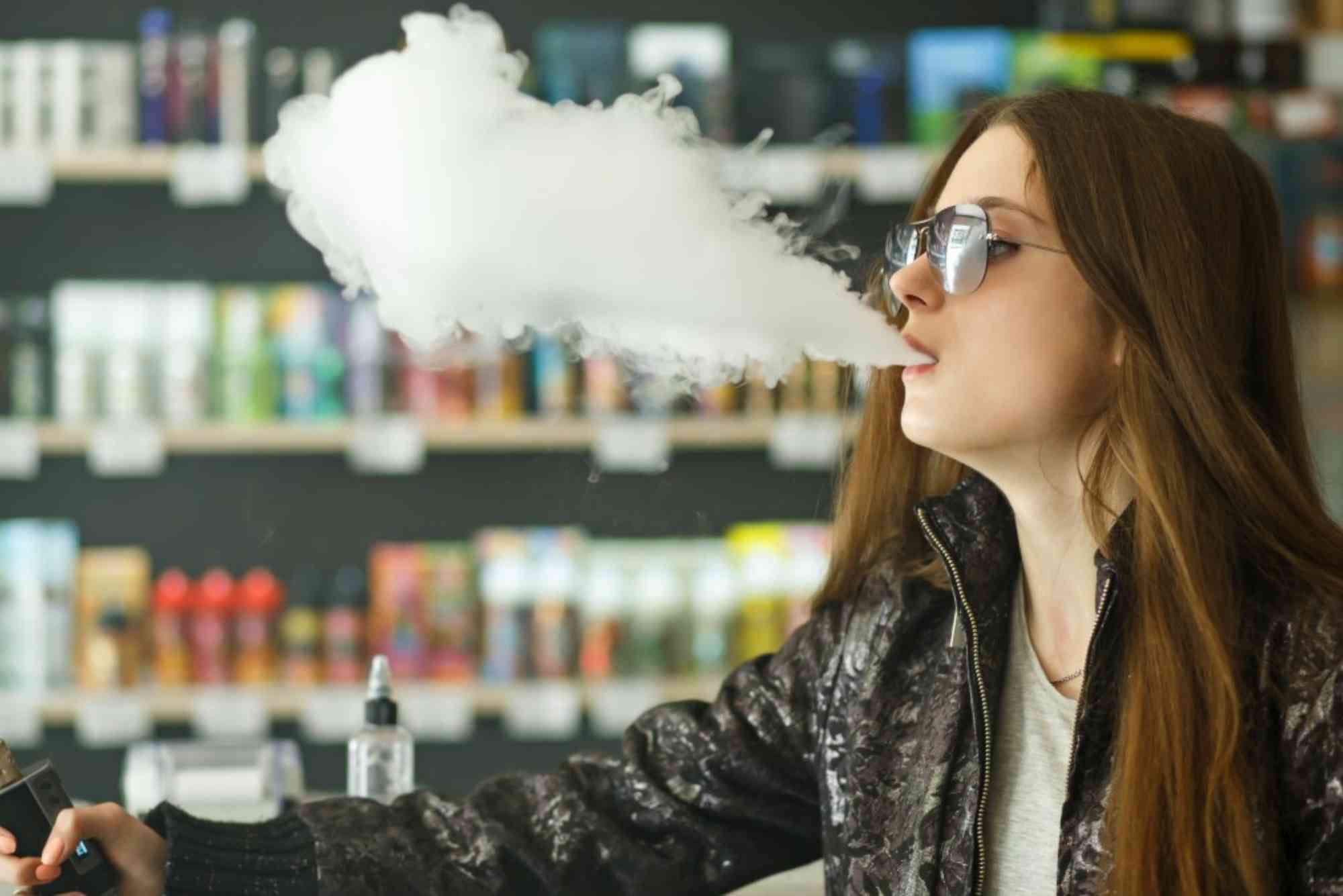
One of the most visible aspects of the new law is the restriction of vaping in public spaces. Authorities now treat vaping similarly to smoking, banning its use in restaurants, public transport, workplaces, and near schools.
This shift reflects growing recognition that vaping, while less harmful, still produces emissions that can affect bystanders. It also helps normalize healthier public spaces and discourages vaping as a visible social habit among teenagers.
For vapers, this requires adjusting behavior. Respecting smoke-free zones not only avoids fines but also reinforces a responsible image of vaping in society.
Public Perception and Education
The new law on vaping also carries symbolic weight. By regulating vaping more strictly, governments send a clear message: vaping is not a harmless activity. This perception shift could discourage experimentation, particularly among youth.
At the same time, education campaigns are needed to help adult smokers understand the difference between vaping and smoking. Without this nuance, stricter laws may confuse or discourage smokers from considering vaping as a safer alternative. Policymakers must strike a careful balance between discouraging unnecessary uptake and supporting harm reduction.
How Vapers Can Adapt
Adapting to the new law on vaping means staying informed and flexible. Vapers should familiarize themselves with the latest rules, from purchasing age requirements to public-use restrictions. Choosing regulated products from reputable sellers becomes even more important under the new legal framework.
For those using vaping as a quitting aid, it may be worth exploring professional support such as smoking cessation programs. These resources can provide guidance on adjusting nicotine intake and handling lifestyle changes under new restrictions.
Above all, vapers should view the law not as an attack but as part of a broader effort to safeguard public health while maintaining access for adults.
FAQ: Common Questions About the New Law on Vaping
Is vaping banned under the new law?
No, vaping is not banned. The new law regulates sales, nicotine levels, and public use to promote responsible consumption.
Can I still buy flavored e-liquids?
Some flavors may be restricted, especially those appealing to youth. However, many adult-oriented flavors remain available.
Does the new law apply to all vaping devices?
Yes, most laws cover both disposable vapes and refillable systems, ensuring consistency across the market.
Why are nicotine limits being introduced?
Nicotine caps are designed to reduce addiction risks, particularly for younger users who may experiment with vaping.
Can I vape in public places?
In many areas, vaping is restricted in the same spaces as smoking, including restaurants, workplaces, and public transport.
Moving Forward as a Responsible Vaper
The new law on vaping marks a turning point in how society views vaping and its role in public health. While the rules may feel restrictive, they reflect a growing consensus that vaping should remain an adult harm-reduction tool, not a gateway for young people.
For vapers, the best approach is to stay informed, adapt to new rules, and use products responsibly. By doing so, you not only comply with the law but also contribute to a healthier public environment.