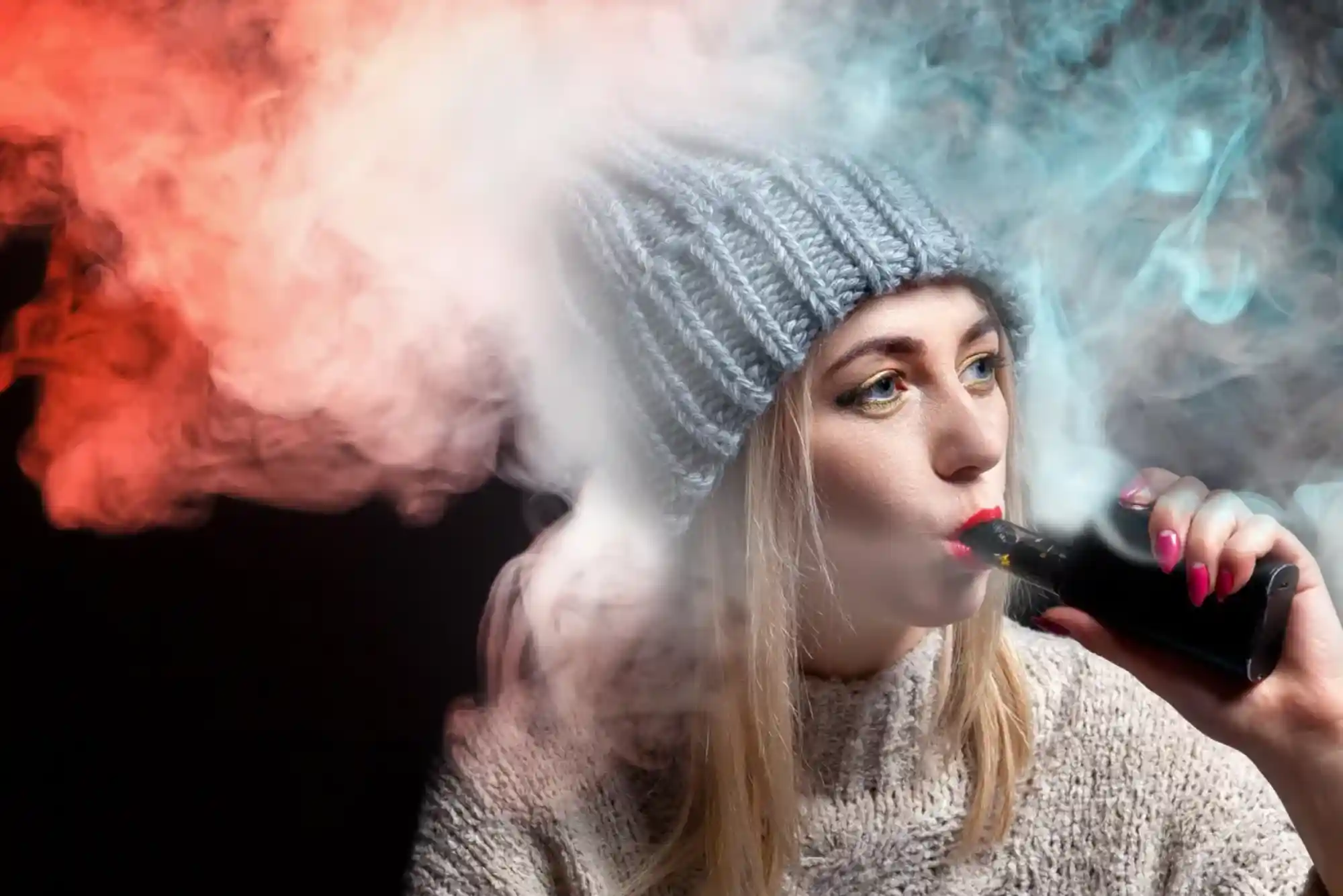
Vaping has become increasingly popular over the past decade, especially among teenagers. But amid this rise, legal and public health concerns continue to grow. Many parents, educators, and even young adults wonder, “Is vaping illegal for minors in Washington?” Understanding the legal framework and its health implications is essential for both compliance and well-being.
Vaping involves inhaling aerosol from e-cigarettes or vape pens, often containing nicotine, flavors, or other substances. While some view it as a safer alternative to smoking, research shows vaping can significantly impact health, particularly for minors. The laws governing vaping for young people are designed to protect public health, prevent addiction, and limit exposure to harmful substances.
Understanding Vaping Laws in Washington
Washington State has clear legal restrictions concerning minors and vaping. The law primarily aims to restrict access to nicotine products for individuals under the age of 21. This aligns with federal regulations, which prohibit the sale of tobacco and nicotine products to anyone under 21.
Age Restrictions and Legal Penalties
In Washington, it is illegal for anyone under 21 to purchase, possess, or use vaping products. This law applies to both physical stores and online sales. Retailers face strict penalties if they sell to minors, including fines, license suspension, or even permanent revocation. For minors caught possessing vaping devices, consequences can range from warnings to community service programs or mandatory participation in health education initiatives.
The purpose of these regulations is not only to enforce legal compliance but also to protect minors from developing nicotine dependence. Nicotine is highly addictive, and early exposure can have lasting consequences on brain development, impulse control, and learning abilities. By limiting access, Washington law attempts to curb these long-term public health risks.
Enforcement and Compliance Challenges
Despite strict laws, enforcement can be challenging. Vape products are widely marketed and easily accessible online, sometimes bypassing age verification checks. Additionally, flavored vape liquids and attractive packaging can appeal to younger users, complicating public health efforts. Schools and local authorities often play a crucial role in monitoring and reporting violations to reinforce compliance.

Retailers and parents alike must be vigilant, educating minors about the legal consequences and health risks associated with vaping. Awareness campaigns can supplement enforcement by reducing curiosity-driven usage among young people.
Public Health Implications of Vaping for Minors
The legal restrictions on vaping are deeply tied to public health concerns. Vaping is not harmless, and its effects on adolescent health are increasingly evident in research.
Nicotine Addiction and Brain Development
Nicotine exposure during adolescence can alter the brain’s reward system, making young users more susceptible to addiction. The adolescent brain continues to develop into the early twenties, and nicotine can interfere with attention, memory, and learning. Minors who vape are at a higher risk of developing lifelong nicotine dependence, which can lead to smoking traditional cigarettes or using other substances.
Respiratory and Cardiovascular Risks
Vaping aerosols contain chemicals that can irritate the lungs and airways. Studies show that young vapers often report chronic cough, shortness of breath, and increased susceptibility to respiratory infections. While the long-term cardiovascular effects of vaping are still under study, early data suggests potential increases in heart rate and blood pressure. These risks are particularly concerning for minors, whose bodies are still developing and adapting to environmental exposures.
Impact on Mental Health
Emerging research indicates a connection between adolescent vaping and mental health concerns. Nicotine can exacerbate anxiety, depression, and mood disorders. The cyclical nature of nicotine addiction, combined with social pressures and marketing tactics, may intensify these mental health challenges. Public health campaigns in Washington emphasize the importance of understanding these risks and seeking healthier coping strategies.
Educational and Preventive Measures
To complement legal restrictions, educational initiatives have become a cornerstone of public health efforts in Washington. Schools, community programs, and healthcare providers are actively involved in preventing vaping among minors.
School-Based Programs
Many schools offer educational sessions highlighting the dangers of vaping. These programs focus on explaining the addictive nature of nicotine, the chemical composition of e-liquids, and the potential long-term consequences of early use. By presenting factual and relatable information, schools aim to reduce curiosity and normalize non-vaping behaviors among students.
Parental Involvement
Parents play a critical role in preventing underage vaping. Open conversations about health risks, setting clear boundaries, and monitoring behavior are effective strategies. In addition, parents can model healthy habits and guide teenagers toward safer alternatives for socialization and stress relief.
Community Health Campaigns
Public health authorities in Washington regularly run campaigns targeting youth vaping. These campaigns use multimedia platforms to reach young audiences, emphasizing real-world stories and scientific evidence. Campaigns often highlight legal risks alongside health consequences, reinforcing why the law strictly prohibits vaping for minors.
The Role of Vapers in Public Health Awareness
Vapers, particularly adults, also carry a responsibility in shaping public perception and protecting minors. Responsible use includes storing devices away from children, avoiding promotion to underage audiences, and supporting public health initiatives. Many vapers participate in community outreach, sharing experiences and guiding teenagers away from nicotine dependence.
Awareness among vapers contributes to broader public health goals. Reducing the visibility of vaping to minors can help limit social normalization, preventing experimentation and potential addiction. By understanding the risks and legal landscape, vapers become advocates for healthier communities.
Legal Consequences Beyond Washington
While Washington has strict regulations, it is important to note that vaping laws vary across the United States. Some states impose additional penalties for minors caught vaping, Is Vaping Illegal for Minors in Washington including mandatory treatment programs, fines, or temporary restrictions on certain privileges. For Washington residents or travelers, understanding state-specific regulations ensures compliance and avoids legal complications.
What Vapers and Parents Should Know
In Washington, vaping is illegal for minors under 21, and the law is backed by significant public health concerns. Nicotine addiction, respiratory issues, and mental health impacts make vaping a serious risk for adolescents. Education, parental involvement, and responsible adult behavior are crucial for preventing underage use.
For adults who vape, understanding the legal and health implications ensures safer practices and promotes community well-being. For parents and educators, staying informed about regulations and health risks equips them to guide minors toward safer choices.
The growing awareness of vaping’s impact underscores the need for continued education, enforcement, and public health advocacy. Legal compliance and health consciousness are not only protective measures—they are essential tools in preventing a generation from developing lifelong nicotine dependence.
FAQ
Is it legal for someone under 21 to buy a vape in Washington?
No, anyone under 21 is prohibited from purchasing vape products in Washington, and retailers face strict penalties if they sell to minors.
What happens if a minor is caught vaping in Washington?
Minors may face warnings, community service, or mandatory health education programs, depending on the circumstances.
Can parents be held responsible if their child vapes?
While parents are not legally punished for a child’s possession, they play a critical role in prevention and guidance.
Are online vape purchases restricted for minors?
Yes, federal and state laws require age verification for online sales, making it illegal to ship vaping products to minors.
What are the main health risks of vaping for teenagers?
Risks include nicotine addiction, impaired brain development, respiratory issues, and potential mental health challenges.