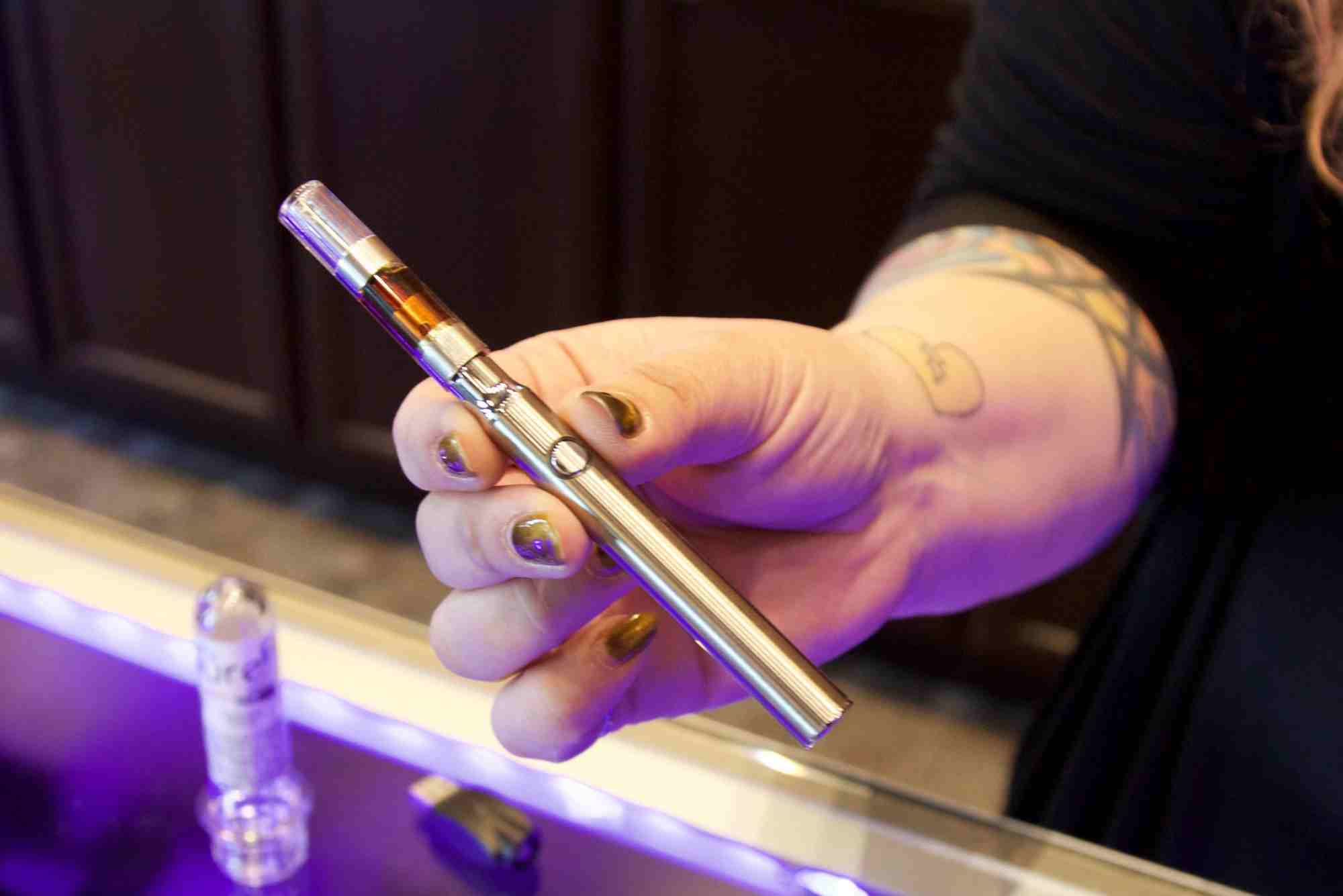
Oregon Vape Laws 2020 and Public Health: What Vapers Should Know
In 2020, Oregon implemented significant changes to its vaping laws, aiming to address public health concerns and regulate the growing use of e-cigarettes. These measures were introduced in response to rising vaping-related illnesses and increased youth usage. This article delves into the key aspects of Oregon’s 2020 vape laws and their implications for public health.
Oregon’s 2020 Vape Laws
In 2019, Oregon experienced a surge in vaping-related lung injuries, prompting Governor Kate Brown to issue Executive Order 19-09. This order directed the Oregon Health Authority (OHA) to adopt temporary rules banning the sale of flavored nicotine vaping products. However, due to a court ruling, these temporary rules were suspended on January 16, 2020. Despite this suspension, the state continued to explore other regulatory measures to address vaping-related health concerns.
Key Provisions of Oregon’s Vape Laws
Age Restrictions
Oregon’s vape laws align with federal regulations, prohibiting the sale of e-cigarettes and other tobacco products to individuals under the age of 21. This measure aims to curb youth access to vaping products and reduce the likelihood of nicotine addiction among minors.
Indoor Vaping Restrictions
Under the Oregon Indoor Clean Air Act, the use of e-cigarettes is prohibited in indoor public places and workplaces. This law extends the state’s commitment to protecting non-smokers from secondhand smoke exposure to include vapor from e-cigarettes.
Taxation of Vaping Products
In 2020, Oregon voters approved Measure 108, which increased the cigarette and cigar taxes and established a tax on e-cigarettes and nicotine vaping devices. The revenue generated from these taxes is allocated to health programs, including tobacco prevention and education initiatives.
Public Health Implications
The introduction of these laws reflects Oregon’s proactive stance in addressing the public health implications of vaping. The state’s efforts aim to:

- Reduce Youth Vaping: By restricting access to flavored vaping products and enforcing age limitations, Oregon seeks to deter young individuals from initiating vaping.
- Prevent Nicotine Addiction: The taxation of vaping products serves as a deterrent, making these products less accessible to price-sensitive consumers, particularly youth.
- Protect Non-Smokers: Indoor vaping restrictions help safeguard non-smokers from exposure to potentially harmful substances present in e-cigarette vapor.
Ongoing Developments
While the temporary ban on flavored vaping products was suspended, Oregon continues to monitor vaping-related health issues and may consider additional regulations in the future. Oregon Vape Laws 2020 The state’s commitment to public health remains evident as it navigates the complexities of vaping-related concerns.
Oregon’s 2020 vape laws represent a comprehensive approach to regulating e-cigarettes and addressing public health concerns. By implementing age restrictions, indoor vaping bans, and taxation measures, the state aims to protect its residents, particularly the youth, from the potential harms of vaping. As the landscape of vaping continues to evolve, Oregon’s regulatory framework will likely adapt to ensure the health and safety of its population.
FAQs
Q1: Are flavored vaping products banned in Oregon?
A1: As of January 16, 2020, the temporary ban on flavored nicotine vaping products was suspended. However, Oregon continues to explore other regulatory measures to address vaping-related health concerns.
Q2: What is the legal age to purchase vaping products in Oregon?
A2: The legal age to purchase e-cigarettes and other tobacco products in Oregon is 21, in accordance with federal regulations.
Q3: Can I vape indoors in Oregon?
A3: No, the use of e-cigarettes is prohibited in indoor public places and workplaces under the Oregon Indoor Clean Air Act.
Q4: Are vaping products taxed in Oregon?
A4: Yes, Measure 108, passed in 2020, established a tax on e-cigarettes and nicotine vaping devices, with the revenue allocated to health programs.
Q5: Will Oregon implement more vaping regulations in the future?
A5: Oregon continues to monitor vaping-related health issues and may consider additional regulations to protect public health.