Understanding Vape Wattage for New Users
If you’re just starting out in the world of vaping, you may be wondering what “vape wattage” means and why it matters. For any vape wattage beginner, getting the right settings can make the difference between a smooth, flavorful vape and a harsh or unsatisfying experience. Wattage directly affects how your device heats the e-liquid, which in turn influences the flavor, throat hit, and cloud production. This article will guide you through the essentials of vape wattage, explain how to find your sweet spot, and help you avoid common mistakes new vapers often make.
What Is Vape Wattage?
Vape wattage refers to the amount of power your vaping device sends to the coil. The coil then heats up and vaporizes the e-liquid in your tank or pod. Wattage is measured in watts, and many modern vape devices allow you to adjust this setting. As a vape wattage beginner, it’s important to understand that different coils are designed to work best within certain wattage ranges. Using the correct wattage ensures safety and maximizes the performance of your device.
Why Vape Wattage Matters for Beginners
When you increase the wattage, the coil heats up faster and hotter. This creates more vapor and a stronger throat hit. Lower wattages result in a cooler, more subtle vape. For new users, finding the right balance is crucial. Starting too high can lead to burnt hits, wasted e-liquid, and even damage to your coil. Starting too low may give you weak vapor and little satisfaction. That’s why understanding vape wattage beginner settings can help you avoid frustration and enjoy a smoother vaping experience.
Finding the Right Wattage for Your Device
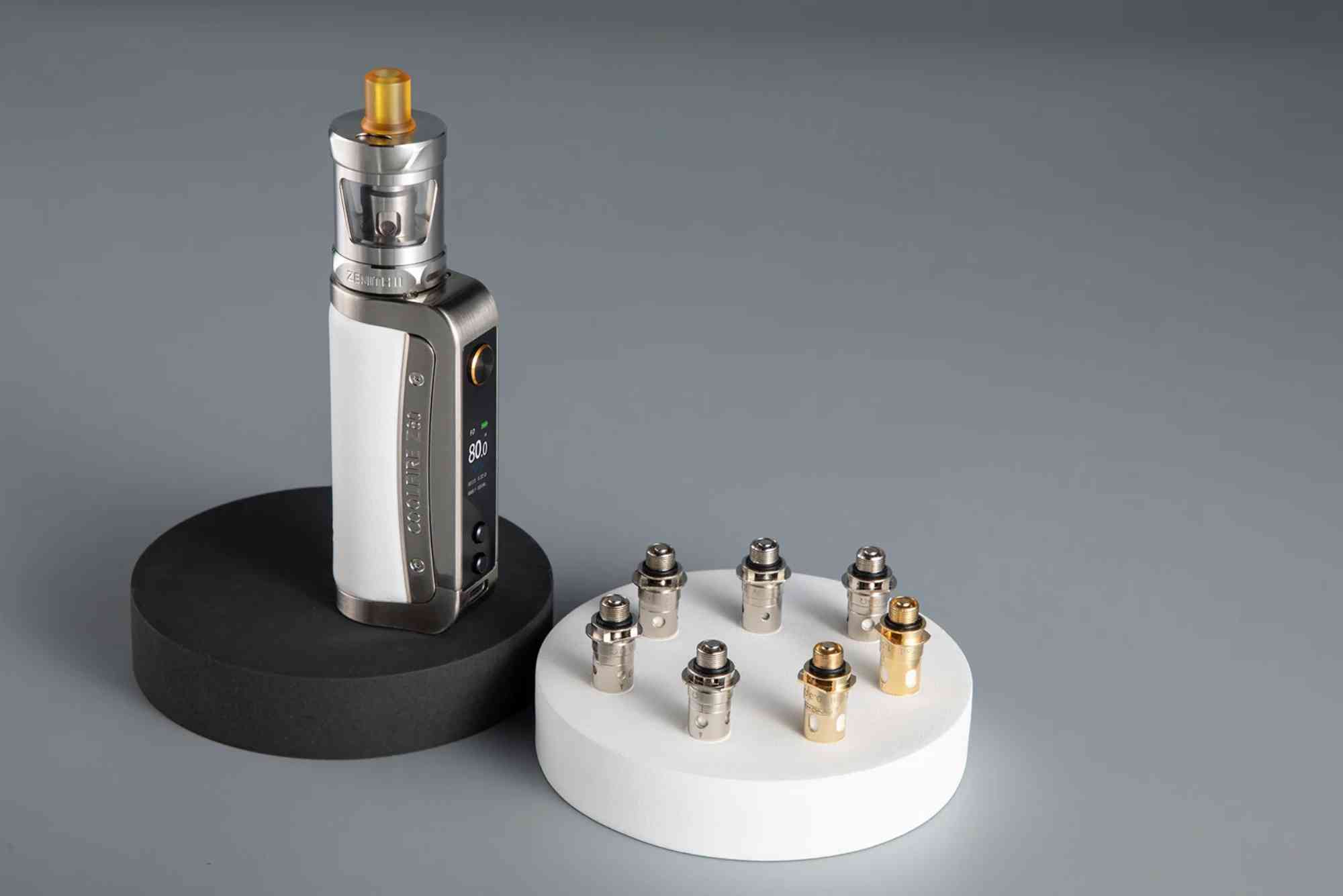
Every coil comes with a recommended wattage range, usually printed on the side of the coil. For example, you might see something like “15-30W.” This means the coil is designed to operate safely and efficiently within that range. If you’re unsure, always start at the lower end. Begin at 15 watts, take a few puffs, and slowly increase by 1 or 2 watts until you find the performance that suits your taste.
This trial-and-error process helps you discover your ideal vape style without damaging your device. It’s also important to match your wattage with the type of e-liquid you’re using. High VG (vegetable glycerin) e-liquids perform better at higher wattages because they’re thicker, while high PG (propylene glycol) e-liquids are more suited for low-wattage devices like pod systems.
Wattage Settings and Vaping Styles
There are two major vaping styles: Mouth-to-Lung (MTL) and Direct-to-Lung (DTL). Each one works best with different wattage ranges. MTL vaping, similar to how you’d smoke a traditional cigarette, usually works best at lower wattages between 8W and 20W. This style is ideal for beginners because it uses less e-liquid, has tighter airflow, and mimics smoking more closely. DTL vaping, on the other hand, involves inhaling vapor directly into the lungs. It requires more airflow and higher wattage settings, usually above 30W. DTL vaping is more advanced and used by experienced vapers looking for massive vapor clouds.

How to Adjust Vape Wattage Safely
Most vape mods allow users to manually adjust the wattage using buttons or touchscreen controls. To change your wattage safely, follow these simple steps:
Start with the recommended wattage range for your coil. If your coil says “10–20W,” begin at 10W. Take a few short puffs and see how it feels. If the vapor is too weak or flavorless, slowly increase the wattage by 1-2W until it tastes right. If you ever taste burning or feel a harsh hit, reduce the wattage immediately. Always give your coil time to soak in the e-liquid before you vape, especially if it’s a new coil. This prevents dry hits and prolongs coil life.
Common Vape Wattage Mistakes Beginners Make
New users often think that more wattage equals better vaping, but that’s not always true. Using too high a wattage can lead to burnt coils, dry hits, and wasted e-liquid. Another common mistake is ignoring the coil’s recommended range. Always stay within this range to avoid damage or safety issues. Not priming the coil properly before vaping is another error. When you install a new coil, add a few drops of e-liquid directly to the cotton and let the tank sit for at least 5-10 minutes. This step helps prevent dry hits and burning.
Matching Vape Wattage with E-liquid Nicotine Strength
Nicotine strength and vape wattage work together to affect your overall vaping experience. Higher wattages produce more vapor, which means you’re inhaling more nicotine per puff. If you’re using high-strength nicotine e-liquids (like 25-50mg salts), you should stay at lower wattages between 8-15W. This gives you a satisfying hit without overwhelming your system. On the other hand, if you’re using low-strength freebase nicotine (3-6mg), you’ll need a higher wattage (20-40W) to feel the effects. Knowing how wattage interacts with nicotine is vital for a vape wattage beginner looking to manage cravings effectively.
Temperature Control vs Wattage Mode
Some vape devices come with Temperature Control (TC) mode, which allows you to set the coil’s temperature instead of the wattage. This feature is more advanced and requires specific types of coils, such as nickel or titanium. For most beginners, wattage mode is simpler and more than enough to get started. Once you become more experienced, you can explore TC mode for greater customization and consistency.
How Coil Resistance Affects Wattage Needs
Coil resistance, measured in ohms (Ω), also influences how much wattage you should use. Higher resistance coils (above 1.0Ω) are best for MTL vaping and work well at low wattages. They’re great for beginners who prefer less vapor and longer battery life. Lower resistance coils (below 0.5Ω), known as sub-ohm coils, require higher wattages and produce more vapor. They’re ideal for cloud chasers and those using low-nicotine e-liquids. Always check the coil resistance and use it as a guide when setting your wattage.
Best Practices for Vape Wattage Beginners
Stick to coils designed for your device and always read the manufacturer’s wattage guidelines. Prime your coils before use, start low, and work your way up. Keep your device clean and your tank full to avoid dry hits. Also, avoid chain vaping at high wattages—it can overheat the coil and reduce its lifespan. Give your vape a few seconds between puffs to cool down. Finally, don’t be afraid to experiment. Vaping is highly customizable, and finding your perfect settings may take a little time.
Final Thoughts on Vape Wattage for Beginners
Understanding vape wattage is an important step in becoming a confident and informed vaper. From matching wattage to your coil and e-liquid to avoiding common beginner mistakes, knowing how to fine-tune your device can lead to a more enjoyable and safer vaping experience. If you’re a vape wattage beginner, remember to start slow, be patient, and learn from experience. The more you know about your device and how wattage affects it, the more control you’ll have over flavor, vapor, and satisfaction.
FAQs
What is the best wattage for a beginner vape?
For most beginners, a wattage range of 10-20W is ideal. It provides good flavor without being too harsh or overpowering.
How do I know what wattage to vape at?
Check your coil’s recommended wattage range printed on the coil itself. Start at the low end and increase slowly until it feels right.
Can I vape at too high a wattage?
Yes, vaping above the recommended wattage can burn the coil, produce dry hits, and ruin the flavor. It may also damage your device.
Does higher wattage mean more nicotine?
Yes, higher wattage creates more vapor, so you inhale more nicotine per puff. Be cautious if you’re using high-nicotine e-liquids.
Is 40 watts too much for a beginner?
It depends on the device and coil. For sub-ohm vaping and low-nicotine e-liquids, 40W can be fine. For pod systems or high-nicotine juices, it’s too high.
Should I use temperature control or wattage mode?
As a beginner, wattage mode is simpler and easier to use. Temperature control is more advanced and requires compatible coils.