Introduction
The conversation around vaping has grown significantly in recent years, especially as more people consider it as an alternative to smoking. While some see it as a tool to quit traditional cigarettes, others view it with caution due to emerging research and health concerns. So, the real question is: is vaping good, and more importantly, is it good for you?
To answer this, we’ll explore vaping from multiple angles—its health impact, benefits, downsides, and long-term effects. Whether you’re a smoker looking to switch or someone curious about vaping culture, this guide is designed to help you make an informed decision.
Understanding What Vaping Really Is
Vaping is the act of inhaling and exhaling vapor produced by an electronic cigarette or a similar device. Instead of burning tobacco like a traditional cigarette, e-cigarettes heat a liquid (commonly called e-liquid or vape juice) that usually contains nicotine, flavorings, and other chemicals. This creates an aerosol or vapor that the user inhales.
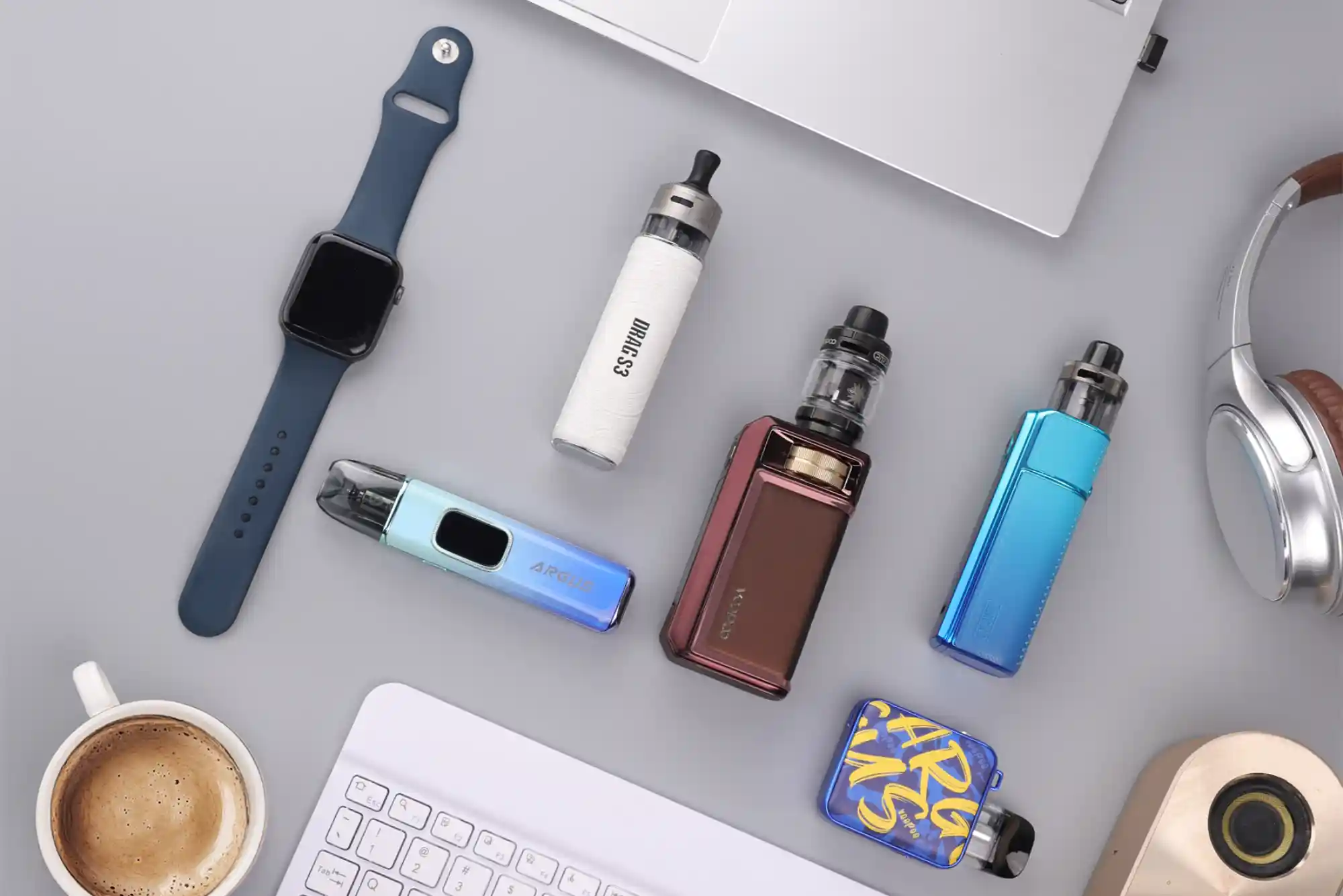
Vaping devices come in various forms—from small pod systems and vape pens to larger mods. The popularity of vaping has surged due to the perception that it is a cleaner, more modern, and possibly safer alternative to smoking.
The Argument in Favor: Why Some Say Vaping Is Good
Harm Reduction Compared to Smoking
One of the strongest arguments for vaping is harm reduction. Smoking is a leading cause of preventable death worldwide. Traditional cigarettes release thousands of harmful chemicals through combustion, many of which are carcinogenic. Vaping eliminates the burning process, which significantly reduces the number of harmful compounds inhaled.
According to Public Health England, vaping is at least 95% less harmful than smoking. For smokers who struggle to quit using patches, gums, or cold turkey, vaping may offer a more effective and satisfying alternative.

Helps with Smoking Cessation
Many users turn to vaping as a tool to quit smoking. Some e-liquids contain adjustable nicotine levels, allowing users to gradually reduce their intake. This step-down approach gives the user control and reduces withdrawal symptoms, potentially increasing the chances of quitting for good.
No Lingering Smoke Odor
Another common reason people choose vaping is its convenience. It doesn’t leave behind the foul smell that cigarettes do, making it more socially acceptable in many settings. The vapor disperses quickly, and many vape flavors even smell pleasant.
Cost-Effective Over Time
While the initial investment in a vape device might seem high, vaping can be more cost-effective in the long run than buying cigarettes daily. Especially in countries where tobacco is heavily taxed, switching to vaping could mean substantial savings.
The Other Side: When Vaping Might Not Be Good
Health Risks Are Still Present
While vaping is generally safer than smoking, that doesn’t mean it’s safe. Inhaling anything other than clean air carries risks. Some studies have found that vape aerosols contain substances like formaldehyde, heavy metals, and other potentially harmful compounds. These can affect lung function and cardiovascular health over time.
Moreover, the long-term effects of vaping are still not fully understood. Most research is relatively recent, and while the early signs are promising in comparison to smoking, caution is warranted.
Risk of Nicotine Addiction
Nicotine is addictive, regardless of how it’s consumed. While vaping allows users to choose nicotine levels, many new users—especially teens—start vaping without fully realizing how addictive it can be. This creates a pathway for lifelong dependency or even transitioning to traditional cigarettes later.
Vaping Among Non-Smokers
The marketing of flavored e-liquids and sleek devices has attracted a younger audience, including teens who have never smoked. For these individuals, vaping doesn’t serve as a harm reduction tool; it introduces them to nicotine dependence. This raises ethical and health concerns and has led to tighter regulations in many countries.
Quality Control and Product Safety
Not all vape products are created equally. Unregulated or counterfeit vape liquids may contain dangerous ingredients. Cases of lung injuries linked to contaminated vape products highlight the importance of buying from reputable brands and staying informed about what you’re inhaling.
Is Vaping Good for You Personally?
This is where individual context matters. If you are a heavy smoker struggling to quit, switching to vaping could offer a less harmful alternative and an effective quitting method. In this scenario, vaping may indeed be good for you—as a step toward eventually becoming nicotine-free.
On the other hand, if you are a non-smoker, there is no health benefit to starting vaping. The risks—though lower than smoking—still exist. Without a previous dependency on nicotine, there is no reason to expose your body to unnecessary substances.
Lifestyle Considerations and Vaping
Your lifestyle plays a significant role in whether vaping suits you. For people who value social interaction, vaping can offer a sense of community and shared experience. Vape lounges, online forums, and social media have created a strong culture around vaping.
However, if you’re someone who values clean living or has a history of lung conditions or cardiovascular problems, even the reduced risks of vaping may be too high. Consulting a healthcare professional is always advisable before starting.
The Legal and Social Landscape
Vaping laws vary significantly from country to country. Some regions allow it freely, while others heavily regulate or even ban its use. Before deciding if vaping is good for you, consider whether it is legally accessible and socially accepted in your area. Misunderstanding local laws could result in penalties or trouble while traveling.
Socially, vaping is still in a gray area. In some circles, it is embraced as a smart alternative; in others, it’s viewed with suspicion or annoyance. Understanding the social norms where you live or work can help you avoid awkward encounters or conflicts.
Expert Opinion and Medical Guidance
Doctors and health experts are generally cautious but open to vaping as a smoking cessation tool. They emphasize that vaping is not without risks but acknowledge its potential to reduce harm in addicted smokers. If you are considering switching, talk to your doctor about how to use vaping effectively and safely.
Medical professionals often advise a goal-oriented approach: start vaping to quit smoking, then gradually taper down nicotine levels until you can stop entirely. This roadmap offers structure and reduces the likelihood of becoming a lifelong vaper.
Environmental Impact of Vaping
Compared to cigarette butts, which are a major environmental pollutant, vaping is cleaner. However, it is not without environmental consequences. Disposable vape pens, batteries, and plastic pods contribute to electronic waste. Choosing reusable systems and recycling properly can help mitigate this downside.
Final Verdict: Is Vaping Good?
The answer isn’t black and white. Is vaping good? Compared to smoking, yes—vaping is a significantly better alternative. It can help smokers quit, reduce health risks, and even save money. But it’s not entirely risk-free. For non-smokers, the dangers outweigh any potential benefit. For smokers, especially those who’ve tried and failed to quit with other methods, vaping may be a practical, life-saving solution.
Always prioritize your health, get professional advice, and make choices based on credible information—not trends or marketing.
Still wondering, “is vaping good for me?” The best next step is to evaluate your personal goals. If you’re trying to quit smoking, vaping might be a helpful transition. But remember, the ultimate goal should always be a nicotine-free life. Speak to a healthcare professional and make an informed decision that suits your lifestyle and long-term wellness.
(FAQs)
Is vaping better than smoking?
Yes, according to many health experts, vaping is better than smoking because it eliminates combustion and reduces exposure to harmful chemicals. However, it’s not entirely risk-free.
Can vaping help me quit smoking?
Vaping can be an effective tool for quitting smoking, especially when combined with behavioral support. Many users report success with gradually lowering nicotine levels through vaping.
Is vaping safe if I’ve never smoked before?
If you’ve never smoked, starting vaping introduces new health risks and potential nicotine addiction. It’s not recommended for non-smokers or youth.
How long does it take to quit nicotine with vaping?
It depends on your starting nicotine level and quitting strategy. Many users reduce nicotine strength over several weeks or months and eventually quit entirely.
Are there side effects of vaping?
Yes. Some users experience dry mouth, throat irritation, headaches, or dizziness. Long-term effects are still being studied, so caution is advised.
What are the safest vape products?
Products from reputable, regulated manufacturers that disclose ingredients and meet safety standards are generally safer. Avoid unregulated or homemade vape liquids.